Bangladesh's government is moving to capitalise on momentum from Prime Minister Tarique Rahman's recent diplomatic visit to Malaysia, with senior officials now publicly emphasising the need for deeper economic engagement between the two South Asian and Southeast Asian neighbours. Health and Family Welfare Minister Sardar Mohammad Sakhawat Hossain used a major business forum in Dhaka on Saturday to underline how the June trip had reinforced foundational ties rooted in mutual trust and shared regional interests.
The minister's remarks at the Bangladesh-Malaysia Chamber of Commerce and Industry event—titled "Towards a Stronger Bangladesh-Malaysia Partnership"—reflect a strategic pivot toward leveraging political goodwill to unlock commercial opportunities. For Bangladesh, which faces persistent trade imbalances with many developed partners, Malaysia represents a significant market within ASEAN and an important avenue for manufacturing-linked investment and supply chain integration. The emphasis on bilateral trust signals that both governments view the relationship as extending beyond transactional commerce to encompass deeper institutional cooperation.
Sakhawat's direct appeal for Malaysia to increase its imports from Bangladesh carries particular weight in Dhaka's current economic context. Bangladesh's export sectors—textiles, garments, pharmaceuticals, and light engineering—have matured considerably over two decades, yet the country remains heavily dependent on traditional markets in Europe and North America. A stronger commercial footprint in Malaysia and the broader ASEAN region could diversify revenue streams and reduce vulnerability to trade shocks in mature markets. The minister's call addresses a structural imbalance where Malaysian companies primarily view Bangladesh as a source of low-cost labour and raw materials rather than as a platform for higher-value imports.
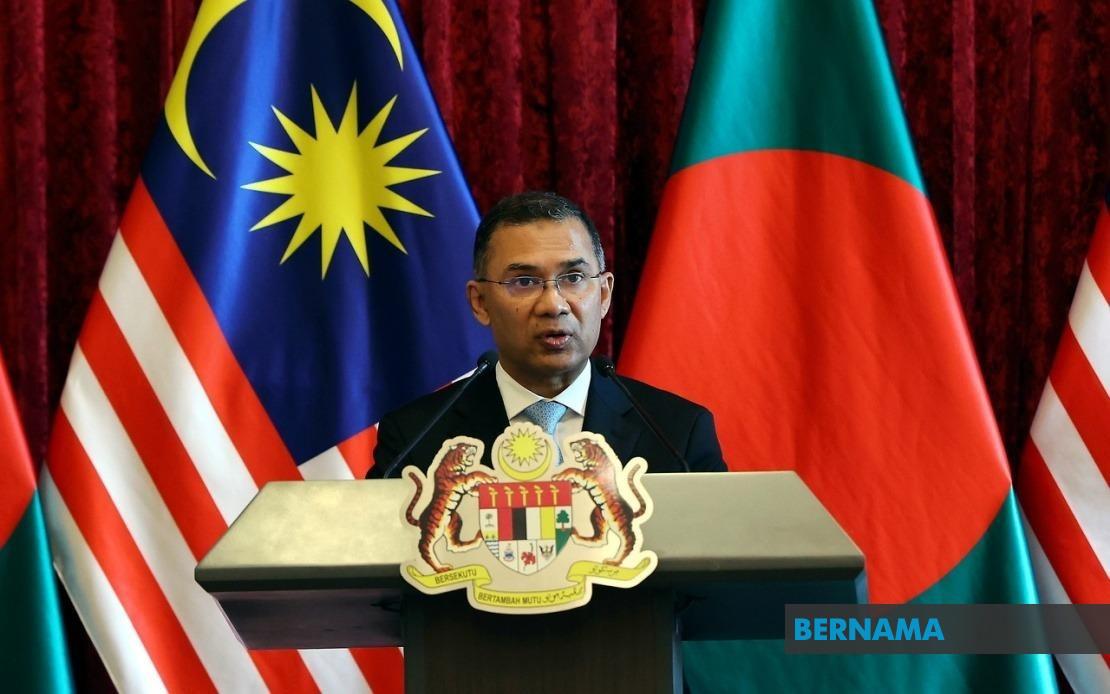
The presence of Malaysian High Commissioner to Bangladesh Mohd Shuhuda Othman at the Dhaka gathering underscores Kuala Lumpur's receptiveness to the dialogue. High commissioners typically attend such events only when their government wishes to signal active engagement; Shuhuda's participation suggests Malaysia is willing to explore the proposals being tabled by Bangladesh's commercial and political establishment. This diplomatic presence validates the business community's negotiating position and may encourage Malaysian investors to examine opportunities more thoroughly.
Federation of Bangladesh Chambers of Commerce and Industry (FBCCI) administrator Mohammad Fazlul Haque's attendance highlights how Bangladesh's private sector is aligning with government priorities. The FBCCI functions as the country's primary interface between business and policymakers, so its engagement in forums promoting Malaysia ties indicates that Dhaka-based exporters see genuine commercial potential in the relationship. This alignment between state and non-state actors is crucial for translating diplomatic visits into sustained business partnerships.
For Malaysian readers and policymakers, Bangladesh represents both an opportunity and a strategic consideration. As a nation of 170 million people with a growing middle class, Bangladesh constitutes a substantial consumer market still relatively underexplored by many Malaysian firms. Beyond consumer goods, Bangladesh's pharmaceutical and textile sectors could supply Malaysian manufacturers with competitive inputs. Simultaneously, Malaysian companies have expertise in areas where Bangladesh seeks development—digital infrastructure, renewable energy, and agro-processing—creating natural complementarities.
The timing of this push for stronger ties also reflects broader geopolitical currents in South Asia. Bangladesh, under its current political dispensation following significant recent transitions, is consciously diversifying its international partnerships. While India remains the dominant regional power, Bangladesh is actively cultivating relationships with ASEAN nations to balance its strategic position and create new economic vectors. Malaysia, as the regional bloc's most developed economy and an established hub for Islamic finance and halal industries, aligns naturally with Bangladesh's development aspirations.
The reference to PM Tarique Rahman's June visit provides a concrete foundation for these claims. Presidential and prime ministerial visits represent the highest level of diplomatic engagement and typically result in bilateral agreements or joint statements committing both parties to expanded cooperation. That a health minister is now publicly invoking that visit to advance trade objectives suggests mechanisms are being put in place—perhaps through bilateral commissions or working groups—to translate high-level political will into concrete commercial action.
For Bangladesh's business community, the challenge now lies in converting ministerial rhetoric into actual orders and investments. Trade relationships between countries rarely flourish without sustained effort from private sectors. Malaysian companies need clear information about Bangladesh's manufacturing capabilities, competitive pricing, and reliable supply chains. Bangladesh exporters, for their part, must understand Malaysian regulatory standards, payment terms preferences, and quality expectations. Chamber-level engagement such as the Dhaka event serves to build these crucial bridges.
The economic dimension of Bangladesh-Malaysia relations also carries implications for regional integration within ASEAN and the broader Indo-Pacific. As Bangladesh seeks greater engagement with Southeast Asia—through initiatives like the Bay of Bengal Initiative and broader regional forums—success with bilateral partnerships like Malaysia's becomes instructive. A strengthened Bangladesh-Malaysia economic relationship could model how South Asian nations can productively integrate with ASEAN, creating precedents for deeper regional cooperation.
Looking forward, both governments face pressure to demonstrate tangible outcomes from their diplomatic engagement. Ministerial visits and trade forums generate positive publicity, but sustained improvement in bilateral commerce requires infrastructure investment, streamlined customs procedures, and perhaps bilateral trade agreements that reduce tariff barriers. Bangladesh's appeal for Malaysian imports suggests Dhaka is willing to reciprocate by opening its market further—a potentially significant concession that warrants serious Malaysian consideration.

