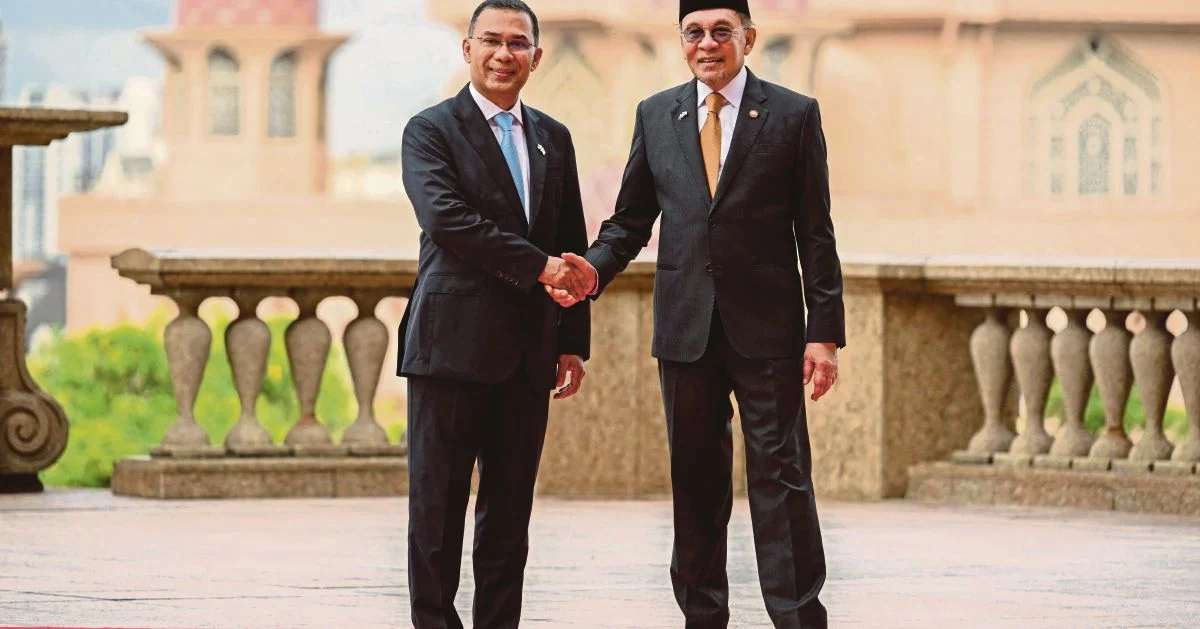
Bangladesh Prime Minister Tarique Rahman ended his first official state visit to Malaysia on Monday with a commitment to broadening cooperative ties with his Malaysian counterpart Datuk Seri Anwar Ibrahim. The visit represented a significant diplomatic undertaking for Rahman, whose government has recently assumed power and is now setting its course for international partnerships in Southeast Asia. The emphasis placed on Malaysia during this inaugural trip underscores the strategic importance both nations place on their bilateral relationship and their shared interests in the region.
Rahman's decision to prioritise Malaysia as a destination for his first state visit carries particular significance given the geopolitical and economic landscape of South and Southeast Asia. Bangladesh, with its growing economy and strategic location in the Bay of Bengal, views Malaysia as a key partner for regional integration and economic advancement. The visit provided both leaders with an opportunity to establish personal rapport and chart a course for enhanced collaboration that extends beyond traditional diplomatic exchanges into substantive areas of mutual benefit.
The "multifaceted partnership" terminology employed by Rahman reflects the breadth of engagement both nations envision. This encompasses not merely political dialogue but spans trade and investment, cultural exchanges, education and human resource development, security cooperation, and religious and people-to-people exchanges. For Malaysian readers, this suggests Bangladesh sees value in leveraging Malaysia's experience in Islamic finance, higher education, manufacturing expertise, and its position as a developed Muslim-majority nation within a multicultural Southeast Asian framework.
Anwar Ibrahim's leadership of Malaysia since late 2022 has repositioned the country as a keen advocate for deepening engagement across South Asia and the broader Indian Ocean region. Malaysia's geographic position and its active membership in various regional organisations make it an attractive partner for Bangladesh as it seeks to diversify its international relationships and secure investment. The rapport established between Rahman and Anwar during this visit indicates both leaders recognise opportunities for collaboration that serve their respective national interests.
Trade and investment represent tangible dimensions of this strengthened partnership. Bangladesh's growing manufacturing sector, particularly in readymade garments and light industries, could benefit from Malaysian investment and technology transfer. Conversely, Malaysian companies operating in infrastructure development, telecommunications, renewable energy, and financial services view Bangladesh's expanding middle class and consumer market with considerable interest. Both nations can explore complementary economic niches rather than competing directly, creating mutually beneficial opportunities.
Educational cooperation holds particular promise for young Malaysians and Bangladeshis. Malaysian universities have long attracted international students, and enhanced scholarship arrangements and academic exchanges could deepen people-to-people connections. Bangladesh's pharmaceutical industry, increasingly competitive on the global stage, might find collaboration with Malaysian research institutions valuable. These educational ties create long-term bonds that extend beyond immediate political calculations.
Security and maritime cooperation merit consideration given both nations' involvement in regional stability mechanisms. Bangladesh's border challenges and Myanmar-related humanitarian concerns align with Malaysia's interests in maintaining peace and security in Southeast Asia. Intelligence sharing, military training exchanges, and joint efforts addressing transnational crime including human trafficking represent areas where cooperation could be expanded, contributing to regional stability that ultimately benefits all Southeast Asian nations.
Cultural and religious dimensions strengthen the foundation for people-to-people ties. Both nations are predominantly Muslim with significant minority populations, facing similar challenges in managing religious pluralism and fostering interfaith harmony. Bangladesh's rich Islamic scholarly tradition and Malaysia's model of Islamic governance within a secular constitutional framework offer opportunities for mutual learning. Enhanced cultural exchanges, including visits by scholars, artists, and religious leaders, could promote greater understanding.
Rahman's visit also carries significance for ASEAN-related discussions. While Bangladesh is not an ASEAN member, it maintains dialogue partnerships with the bloc and participates in regional forums addressing shared concerns. Malaysia, as a significant ASEAN voice, can facilitate Bangladesh's engagement with the association, particularly on issues affecting the Bay of Bengal region and broader Indo-Pacific security architecture. This positioning benefits both nations and contributes to inclusive regional cooperation.
The timing of this inaugural state visit reflects Bangladesh's desire to establish clear diplomatic priorities under its new leadership. By choosing Malaysia as a premier destination, Rahman signals confidence in the country's democratic trajectory and openness to partnerships with Southeast Asian democracies. For Malaysia, welcoming Bangladesh's new leader with appropriate ceremony and substantive engagement demonstrates commitment to building relationships across Asia.
Moving forward, both nations will need to translate rhetorical commitments into concrete agreements and institutional mechanisms. Establishing joint commissions, bilateral dialogue forums, and regular high-level exchanges provides the scaffolding for sustained engagement. Economic cooperation frameworks, visa facilitation arrangements for students and professionals, and cultural agreements will operationalise the partnership at grassroots levels.
The visit ultimately reflects broader regional trends toward deepened South-Southeast Asian cooperation. As both regions pursue greater economic integration and grapple with shared challenges ranging from climate change to maritime security, partnerships like those between Bangladesh and Malaysia become increasingly valuable. Rahman's commitment to working closely with Anwar Ibrahim sets a positive foundation for a relationship that could benefit both nations' citizens and contribute to regional prosperity and stability for years to come.