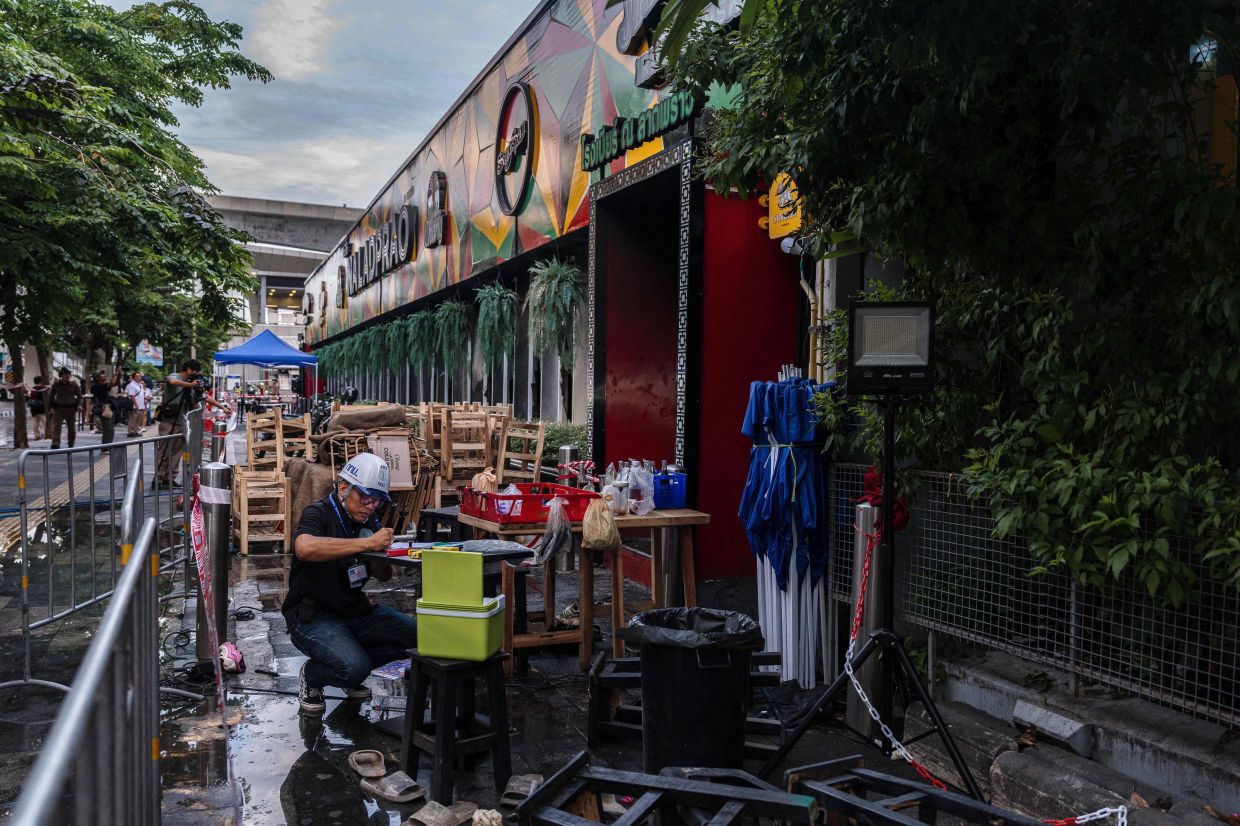
A catastrophic fire at a restaurant and brewery-style establishment in Bangkok's Lat Phrao district has left 27 people dead and 18 others injured, prompting swift action from city authorities to support affected families and tighten safety oversight. Bangkok Governor Chadchart Sittipunt arrived at the scene shortly after 2:40am on Monday to assess the devastation, immediately directing the Chatuchak District Office to establish a coordination centre where relatives of victims could obtain verified information and access assistance. The rapid response reflects the scale of the tragedy and the administration's recognition that systematic support structures were essential amid the chaos of identification and recovery operations.
Firefighters from Bangkok's Fire and Rescue Department responded within approximately five minutes of receiving emergency calls, but the speed of fire spread proved beyond their initial containment efforts. Upon arrival, flames had already engulfed much of the venue, and heavy smoke created treacherous conditions that severely hampered rescue operations. The thick atmosphere inside the building not only obscured visibility for rescue teams attempting to locate and extract trapped patrons and staff but also forced many victims to attempt escape through unconventional routes. According to initial reports, numerous people headed towards toilets at the rear of the building, suggesting either disorientation from smoke inhalation or confusion about proper emergency exits. The presence of only two identified emergency exits—one of which routed through the kitchen—raises questions about whether the venue's evacuation infrastructure met legal requirements for its capacity and intended use.
The investigation into the fire's origin has identified several contributing factors that authorities are examining in detail. Governor Chadchart noted that flames appeared to spread with unusual rapidity across the ceiling area, a pattern that may indicate the involvement of readily combustible interior materials. Notably, plastic furniture in various sections sustained comparatively minimal damage, which has led preliminary investigators to suspect that toxic smoke generated by decorative materials may have incapacitated occupants faster than the physical flames themselves. This distinction is significant for understanding how rapidly the situation became life-threatening and whether occupants had sufficient time to evacuate had emergency routes been clear and properly marked. Officials have stressed, however, that definitive conclusions await specialist analysis and forensic examination, cautioning against premature determinations while investigations remain ongoing.
Physical obstructions compounded the evacuation challenges. Some deceased individuals were discovered near an emergency exit on the left side of the building, where objects had apparently blocked the passage. These findings suggest that even where designated escape routes existed, their effectiveness was compromised by poor maintenance practices or inadequate enforcement of safety protocols. The coordination centre that authorities established aims not only to assist grieving families but also to serve as a clearinghouse for information as identification processes continue. Officials acknowledged that formal confirmation of victims' identities required comprehensive procedures conducted by medical examiners and relevant agencies, meaning that exact casualty tallies and personal details would emerge gradually rather than immediately.
Bangkok's Fire and Rescue Department reported that 27 individuals perished in the blaze—nine men and 18 women—while another 18 sustained injuries of varying severity. Eight injured persons faced serious conditions, seven had moderate injuries, and three suffered minor harm. All received hospital treatment, though the focus for authorities has remained on managing the broader crisis affecting families of the deceased and capturing lessons to prevent recurrence. The predominance of female victims has not been publicly explained but underscores the unpredictable nature of such tragedies and the importance of robust safety frameworks that protect all patrons regardless of demographic profile.
Most victims are believed to have died from smoke inhalation rather than burn injuries, a conclusion supported by witness accounts and preliminary observations. This clinical distinction matters significantly for the investigation's broader implications. If smoke inhalation proved the primary cause of death, it suggests that exits could have saved lives had they been properly maintained, clearly marked, and free from obstruction. It also implies that early warning systems or improved ventilation measures might have altered outcomes. Bangkok authorities have committed to examining the venue's operating documents and fire-escape systems in granular detail, evaluating the number and condition of exits, the visibility and clarity of emergency signage, and whether furniture or other obstacles compromised evacuation routes. The investigation will determine whether the kitchen-access emergency exit complied with safety requirements and whether the overall layout and use of exits met legal standards for the venue's business classification and expected occupancy.
Governor Chadchart identified three immediate priorities for the Bangkok Metropolitan Administration: providing comprehensive support through the coordination centre for relatives, scrutinising the venue's operating permits and legal status, and establishing whether fire-escape systems met applicable legal and safety standards. He pledged acceleration of these efforts to assist those affected and reduce the probability of similar incidents occurring in Bangkok's hospitality sector. This commitment reflects growing acknowledgement that disasters of this magnitude demand not merely reactive assistance but proactive systemic reform. The pledge carries particular resonance for Southeast Asia, where rapid urbanisation and competitive entertainment industries sometimes strain regulatory capacity and safety oversight. Malaysia and other regional countries have experienced similar tragedies in recent decades, making Bangkok's response a potential model for how municipalities can balance industry support with public protection.
The Chatuchak District Office established a dedicated assistance centre with trained personnel to help relatives navigate the complex processes of victim identification, hospital visits, and support services. Contact numbers were distributed publicly, with named staff members assigned to handle inquiries. This administrative structure, while bureaucratic on its surface, represents an essential recognition that grieving families require not only emotional support but practical navigation through systems that often seem impenetrable during crisis periods. The transparency of contact information and named responsibility demonstrates an effort to humanise institutional response rather than hide behind anonymous government structures.
Beyond the immediate crisis response, the fire has triggered broader reflection across Bangkok's hospitality and entertainment sectors regarding compliance with fire safety regulations. Venues throughout the city may now face heightened scrutiny, and operators will likely reassess their own emergency systems and exit routes. This ripple effect, while potentially burdensome for business owners, represents a necessary recalibration of priorities in an industry where ambiance and profitability sometimes overshadow safety infrastructure. For Malaysian readers particularly, the incident offers lessons applicable to our own rapidly expanding entertainment and hospitality landscape, where similar venues operate in urban centres such as Kuala Lumpur, Penang, and Johor Bahru. The Bangkok tragedy underscores the importance of regular, unannounced safety inspections, clear regulatory frameworks with genuine enforcement mechanisms, and industry partnerships that view safety not as a regulatory burden but as a competitive advantage that protects both patrons and business viability.
The Bangkok Metropolitan Administration's commitment to comprehensive assistance and thorough review extends beyond immediate victim support to encompass systemic prevention measures. Officials have pledged to examine relevant safety standards and potentially strengthen regulatory frameworks, though the specifics of such reforms remain to be articulated as the investigation progresses. The pace at which Bangkok converts this tragedy into concrete policy changes will signal to its residents, regional observers, and the hospitality industry whether institutional learning has genuinely occurred or whether incremental adjustments will prove insufficient to prevent recurrence. For neighbouring Southeast Asian countries, watching Bangkok's response provides valuable perspective on how cities can address safety failures while maintaining the economic vibrancy that entertainment sectors provide.

