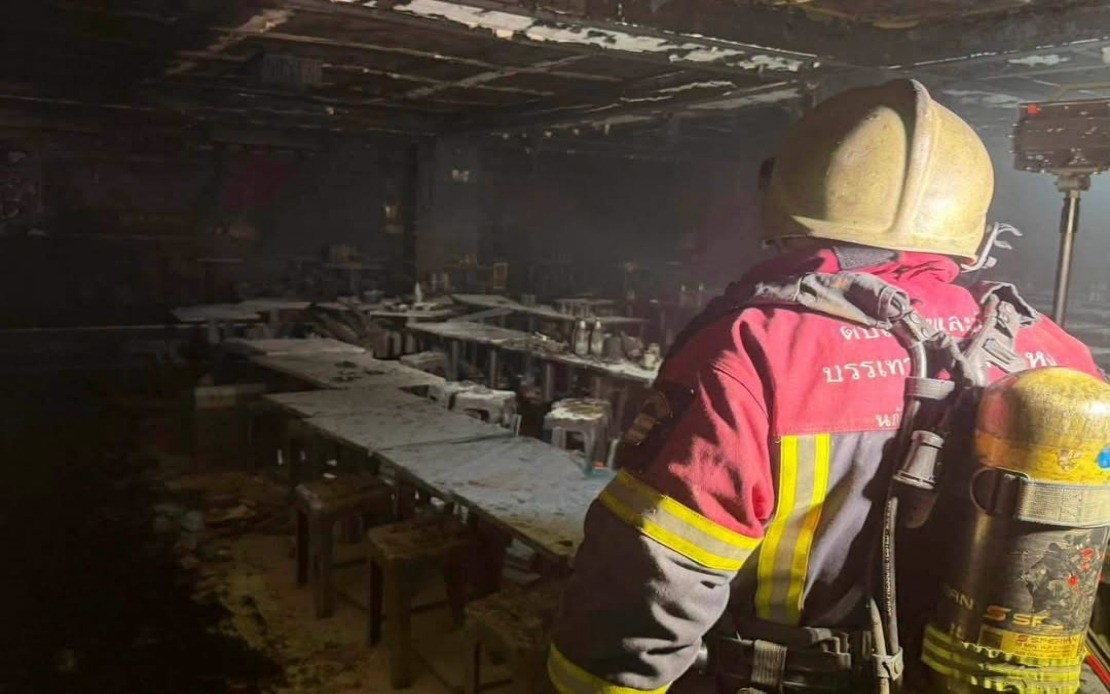
A catastrophic fire swept through a bar in Bangkok's Chatuchak district during the early hours of Monday morning, leaving 27 people dead and 18 others injured. The blaze erupted in the Lat Phrao area after midnight, with Bangkok Governor Chadchart Sittipunt arriving at the scene around 2.40 am to oversee the initial emergency response. The incident has immediately prompted a comprehensive investigation by police and forensic specialists into the origin and spread of the flames, while the Bangkok Metropolitan Administration (BMA) has secured the site for detailed examination.
According to the BMA's Department of Disaster Prevention and Mitigation, the deceased comprised nine men and 18 women, underscoring the significant gender disparity among fatalities that may reflect the venue's demographic composition at the time of the fire. The injured victims include eight in critical condition, seven with moderate injuries, and three sustaining minor harm. Medical personnel are conducting victim identification procedures, with families advised to monitor official updates through the coordination centre established by authorities. This identification process is expected to continue over several days as officials work through documentation and verification.
Governor Chadchart's preliminary observations revealed a troubling pattern: flames spread with alarming velocity through the ceiling area, a characteristic that often indicates either an electrical source within the building's infrastructure or rapid fuel involvement. Paradoxically, the majority of plastic furniture inside the establishment—tables and chairs—remained substantially intact, suggesting the fire's initial intensity was concentrated in the overhead structures rather than spreading uniformly through the premises. This peculiar damage distribution is now a key focus for investigators attempting to reconstruct the sequence of events.
While the precise cause remains unconfirmed, Thai Prime Minister Anutin Charnvirakul visited the scene Monday morning and spoke with a musician who had been performing at the time of the fire. According to the musician's account relayed by Anutin, the incident began with a fire at the electrical switchboard, followed immediately by explosions and rapid smoke development that forced patrons to attempt evacuation. The musician's testimony points toward an electrical origin, though investigators are treating this as preliminary information requiring corroboration through forensic examination of the switchboard and electrical systems.
The cause of death for most victims is preliminarily attributed to smoke inhalation, a common outcome in enclosed nightlife venues where patrons become disoriented in dense smoke and struggle to locate exits. However, the final determination of cause of death will await autopsy results and completion of the comprehensive investigation. Some victims may have succumbed to thermal injuries or crush injuries during the evacuation process, with emergency responders indicating that the interior layout complicated rescue efforts.
A particularly concerning detail emerged regarding the emergency exit situation. Governor Chadchart noted that several victims were discovered near an emergency exit on the building's left side, where potential obstructions may have impeded rapid egress. This observation raises critical questions about whether fire safety regulations were properly implemented and maintained at the establishment. The governor cautioned that full conclusions would only be possible after thorough investigation, but the preliminary findings suggest emergency protocols warrant scrutiny.
The BMA has initiated a parallel administrative investigation into the bar's operating licence and compliance with fire safety standards. This examination will assess the number and condition of emergency exits, the visibility and functionality of exit signage, and whether evacuation routes were obstructed—either by structural elements or accumulated furnishings. Such compliance reviews frequently reveal that venues operating in Thailand's competitive nightlife sector occasionally compromise on safety infrastructure to maximize usable space or reduce operational costs. For Malaysian readers, this incident serves as a reminder that similar compliance gaps can exist in regional establishments, particularly those operating in older building stock.
The rapid flame progression documented by first responders has prompted particular attention from fire safety engineers. In venues where electrical switchboards are inadequately maintained or located in poorly ventilated spaces, electrical fires can spread explosively through cable trays and overhead infrastructure. The musician's account of explosions following the initial switchboard fire suggests that accumulated dust, degraded insulation, or overloaded circuits may have contributed to the rapid escalation. Such conditions are not unique to Thailand and have been identified in fire safety audits across Southeast Asia.
From a regional perspective, this tragedy underscores ongoing concerns about fire safety enforcement in Thailand's hospitality and entertainment sectors. While building codes theoretically mandate comprehensive fire safety measures, the transition from regulation to consistent implementation remains inconsistent across different establishments and jurisdictions. The incident will likely prompt heightened scrutiny from Thai regulators and may influence discussions within ASEAN about harmonising fire safety standards for venues catering to transient populations of patrons unfamiliar with local building layouts.
The investigation's findings will be critical not only for Thai authorities seeking accountability but also for regional policymakers assessing whether existing safety protocols adequately protect guests in similar establishments across Southeast Asia. Early indications suggest that electrical system failure, combined with potential evacuation impediments, created conditions for rapid casualty accumulation. The disparity in gender composition among fatalities and the concentration of critical injuries may also inform discussions about evacuation procedure adequacy during scenarios involving panic and reduced visibility.
Governor Chadchart's commitment to a thorough examination reflects Thai authorities' recognition that public confidence in nightlife venue safety requires transparent investigation and accountability. The BMA's intention to scrutinise the establishment's licensing and safety compliance signals a shift toward more rigorous post-incident enforcement. For tourists and expatriates in Thailand—a significant portion of whom visit Bangkok's entertainment districts—such incidents raise practical questions about evaluating venue safety before entry, particularly regarding the visibility and accessibility of emergency exits.
The coming weeks will determine whether investigations identify definitive causes and negligence factors. Thai officials have indicated that measures to prevent similar incidents are under discussion, though specifics remain preliminary. For Malaysia and the broader region, this incident provides an opportunity to review fire safety protocols in comparable establishments and assess whether current enforcement mechanisms adequately protect patrons during emergency scenarios.

