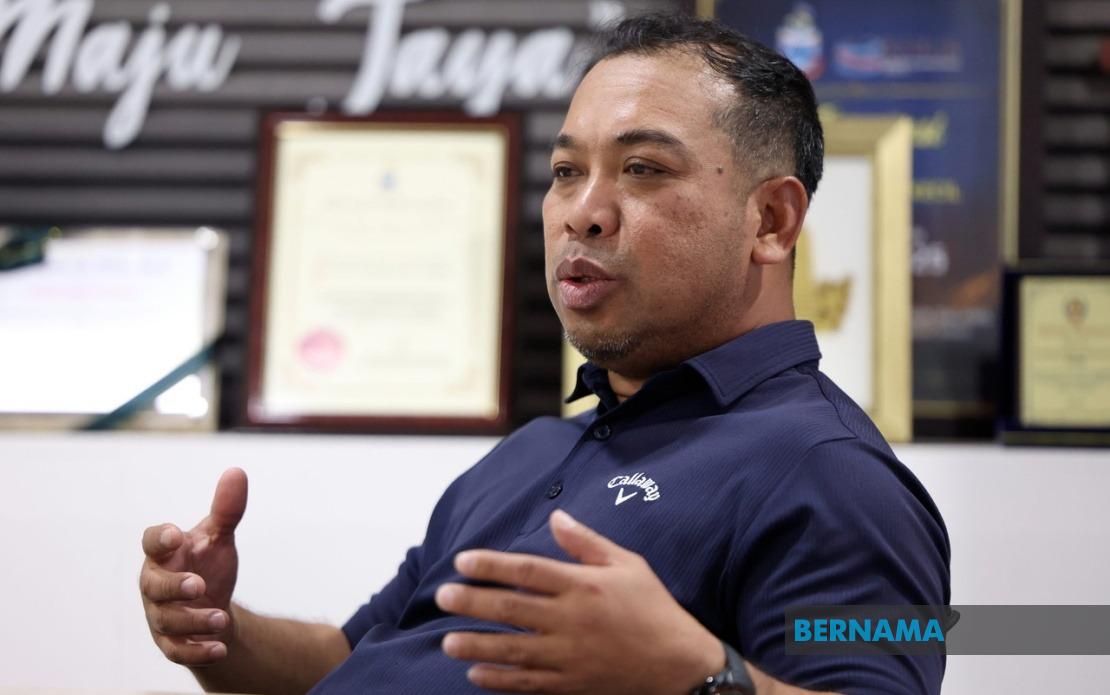
Datuk Mohamad Mohamarin, representing Banggi in the Dewan Rakyat under the Gabungan Rakyat Sabah ticket, has made an urgent appeal to the federal government for a substantial infrastructure investment on one of Sabah's most remote constituencies. During the current parliamentary session deliberating the Supplementary Supply Bill 2026, he pressed for approval of an ambitious road construction initiative estimated to cost more than RM300 million, linking Kampung Meliu to Kampung Dogoton across approximately 37 kilometres of Pulau Banggi's challenging terrain.
The proposal represents a methodical, phased approach to addressing what Mohamarin described as critical connectivity gaps afflicting the island community. He noted that the initiative was formally submitted to Prime Minister Datuk Seri Anwar Ibrahim during an official visit to Pulau Banggi on May 9, underscoring its status as a priority development concern requiring high-level government consideration. The multi-phase implementation strategy suggests recognition that such a transformative project would require careful planning and sequenced capital allocation across multiple budget cycles.
Infrastructure deficiencies on Pulau Banggi remain starkly apparent when examined against the island's geographic challenges. The constituency currently possesses approximately 81 kilometres of main road networks, yet only 14 kilometres feature proper paved surfaces. More troublingly, Mohamarin highlighted that even this limited paved infrastructure has deteriorated into a hazardous state, with numerous potholes creating dangerous driving conditions and contributing to fatal road accidents. This dangerous combination of inadequate coverage and poor maintenance has created genuine safety risks for residents dependent on these pathways for daily transport and economic activities.
Mohamarin specifically questioned the Sabah Works Ministry regarding whether the critical upgrading of this 14-kilometre paved stretch had been incorporated into the current year's budgetary allocations or implementation schedules. His focus on this existing infrastructure reflects the reality that without immediate rehabilitation of existing roads, new construction projects cannot achieve their full potential benefit. The deteriorating condition of current paved roads has become a visible symbol of the broader infrastructure crisis affecting the island's development prospects.
Beyond Pulau Banggi itself, the constituency encompasses several other islands—Pulau Balambangan, Tanjung Manawali, Pulau Sibogo, and Pulau Tigabu—each presenting their own infrastructural challenges. Mohamarin's reference to these additional territories underscores the geographic complexity of administering a parliamentary constituency spread across multiple island communities. These peripheral islands, often overlooked in state and federal development plans, compound the connectivity and accessibility problems facing the broader Banggi electoral area.
The persistent infrastructure gap cannot be attributed to lack of political attention alone. Both Chief Minister Datuk Seri Hajiji Noor and Prime Minister Anwar Ibrahim have made official visits to Pulau Banggi, during which various development initiatives were announced. Yet according to Mohamarin's parliamentary testimony, these announcements have failed to translate into sufficient concrete progress. The reality on the ground reflects decades of accumulated infrastructure deficits that occasional policy announcements cannot adequately address without corresponding substantial financial commitments and sustained implementation mechanisms.
Mohamarin's appeal extends beyond conventional road infrastructure to encompass renewable energy development. He urged the state government to seriously evaluate establishing a wind energy project with capacity ranging between 15 and 50 megawatts. This proposal directly addresses two interconnected challenges: the island's chronic electricity supply limitations and the consequent constraints on economic diversification. Inadequate and unreliable power supply remains a fundamental barrier to attracting business investment or facilitating modern economic activities on Pulau Banggi.
The wind energy proposal reflects recognition that Pulau Banggi's geographic location and maritime exposure present natural advantages for renewable energy generation. By harnessing these environmental assets, the island could potentially achieve energy independence while simultaneously reducing reliance on mainland electricity sources that require expensive submarine transmission infrastructure. The secondary economic benefit of improved power supply could catalyse tourism development, support small-scale manufacturing initiatives, and enhance the viability of agricultural processing activities currently limited by power constraints.
The broader context of Mohamarin's parliamentary intervention reveals a familiar development pattern affecting Malaysia's peripheral constituencies. Remote island communities, despite being constituent parts of the national polity, frequently experience infrastructure and service delivery standards substantially below those of more accessible urban centres. This geographic inequality produces compounding disadvantages—limited economic opportunities drive out-migration, shrinking the local tax base and reducing political leverage for future development investment, creating a self-reinforcing cycle of marginalization.
For Malaysian policymakers, the Pulau Banggi situation exemplifies the challenge of achieving genuine national development that extends equitably to geographically marginal areas. The RM300 million road project, while substantial, represents a calculated investment in improving the constitutional rights of Malaysian citizens to access basic infrastructure services. Without such targeted investments in peripheral regions, the promised inclusive growth model remains incomplete, and regional inequality deepens.
The timing of Mohamarin's appeal during supplementary budget deliberations suggests strategic positioning to secure resource allocation during the current fiscal cycle. His dual focus—addressing immediate safety hazards through road rehabilitation while simultaneously positioning the constituency for longer-term economic transformation through renewable energy development—presents a comprehensive development vision extending beyond temporary relief measures. Success would require not merely budget approval but sustained bureaucratic commitment to implementation, monitoring, and maintenance standards that ensure the projected benefits materialise for island residents.

