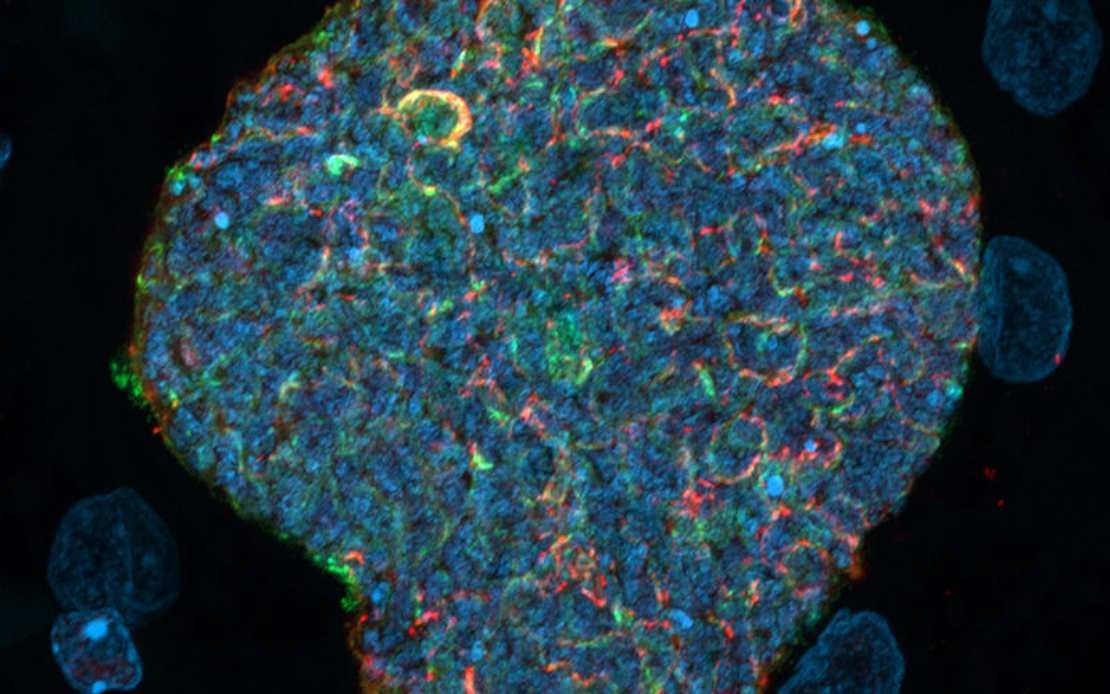
A research team at Australia's Walter and Eliza Hall Institute of Medical Research has unveiled a groundbreaking approach to malaria prevention that fundamentally reimagines the relationship between mosquito bites and disease protection. Rather than viewing mosquito-borne transmission solely as a threat, the strategy leverages natural exposure to reinforce immunity against the parasite, offering fresh possibilities for populations in malaria-endemic areas.
The innovation centres on a dual-component system that combines mosquito-delivered malaria parasites with newly developed antimalarial drug compounds co-created by the Walter and Eliza Hall Institute and pharmaceutical firm MSD. This pairing works by strategically intercepting parasites at a critical developmental window—the late liver stage—precisely before they would breach into the bloodstream and trigger active infection. By containing the threat at this checkpoint, the body mounts a powerful and durable immune response without ever experiencing the disease itself.
What distinguishes this approach from conventional vaccination programmes is its capacity to utilise natural transmission events as reinforcement mechanisms. Once initial immunity has been established through the priming phase, subsequent mosquito bites in endemic zones become opportunities for immune system stimulation rather than infection vectors. This creates what researchers describe as a "vaccinate and boost naturally" paradigm, where the parasite transmission cycle itself supports ongoing protection rather than disrupting it.
The implications for Southeast Asia, where malaria remains a persistent public health challenge across multiple countries, are substantial. Nations with entrenched malaria transmission patterns—including parts of Malaysia, Thailand, Laos, and Cambodia—could potentially leverage existing exposure levels to support vaccination programmes rather than requiring complete elimination of mosquito contact. This represents a fundamental shift in how malaria control strategies are conceptualised in resource-constrained settings.
The mechanism underlying the immunity-boosting effect centres on the antimalarial compounds' ability to create a controlled exposure scenario. By preventing parasites from reaching the bloodstream, where they would multiply and cause clinical symptoms, the compounds allow the immune system to recognise and respond to parasite antigens in a contained environment. This generates antibody responses and cellular immunity without the severe health consequences associated with active malaria infection—a critical distinction for populations with limited access to rapid treatment.
Malaria's global burden underscores the urgency of such innovations. The World Health Organisation documented approximately 610,000 deaths attributable to malaria in 2024, demonstrating that existing prevention and treatment strategies, while improved, remain insufficient to eliminate the disease burden. For Malaysia specifically, though malaria elimination targets have been largely achieved in peninsular regions, cases persist in Sabah and Sarawak, making emerging prevention technologies particularly relevant to persistent elimination efforts in these states.
The research team notes that a long-acting injectable formulation based on these antimalarial compounds is currently advancing through preclinical development stages. This pharmaceutical delivery mechanism could enable periodic administration that extends protective immunity over extended periods, potentially simplifying vaccination schedules and improving uptake in settings with challenging healthcare infrastructure.
The strategy's elegance lies in its economic and logistical feasibility for endemic regions. Unlike vaccination approaches requiring perfect population coverage to succeed, this method actually functions more effectively in areas where malaria transmission remains active. Communities cannot simply vaccinate their way out of endemic transmission; instead, vaccination primes protection that is subsequently reinforced by the inevitable exposure occurring in regions where mosquito-borne transmission persists. This inverts the traditional prevention paradigm from one requiring complete interruption of transmission to one that accommodates and utilises residual transmission.
For Malaysia's health system, such an approach could prove particularly valuable in addressing malaria persistence in remote indigenous communities and border regions where surveillance and treatment access remain challenges. Rather than requiring elimination of mosquito breeding grounds as a precondition for vaccination success, the strategy acknowledges transmission realities and works within them—a pragmatic consideration for regions where complete mosquito control remains technically or economically unfeasible.
The collaboration between the Walter and Eliza Hall Institute and MSD illustrates the international research partnerships increasingly essential for tropical disease innovation. Malaysian researchers and institutions may find opportunities to participate in clinical validation studies, particularly in localised endemic settings where the strategy's real-world effectiveness can be comprehensively evaluated across diverse transmission intensities and parasite populations.
As the long-acting injectable moves toward human trials, the research community will scrutinise not only efficacy and safety profiles but also cost-effectiveness and operational feasibility in actual field deployment. The success of this approach may ultimately depend less on laboratory validation than on its suitability for healthcare systems in malaria-endemic countries where vaccination programmes must function without sophisticated cold-chain infrastructure or frequent clinic attendance.
This Australian development represents one of several emerging innovations reshaping malaria control strategies globally. Alongside gene-drive mosquito technologies and new antimalarial drugs, the ability to transform natural transmission into immunity-building events offers a complementary tool that could contribute meaningfully to malaria reduction targets across the Asia-Pacific region, particularly if preclinical development progresses successfully toward human clinical trials.

