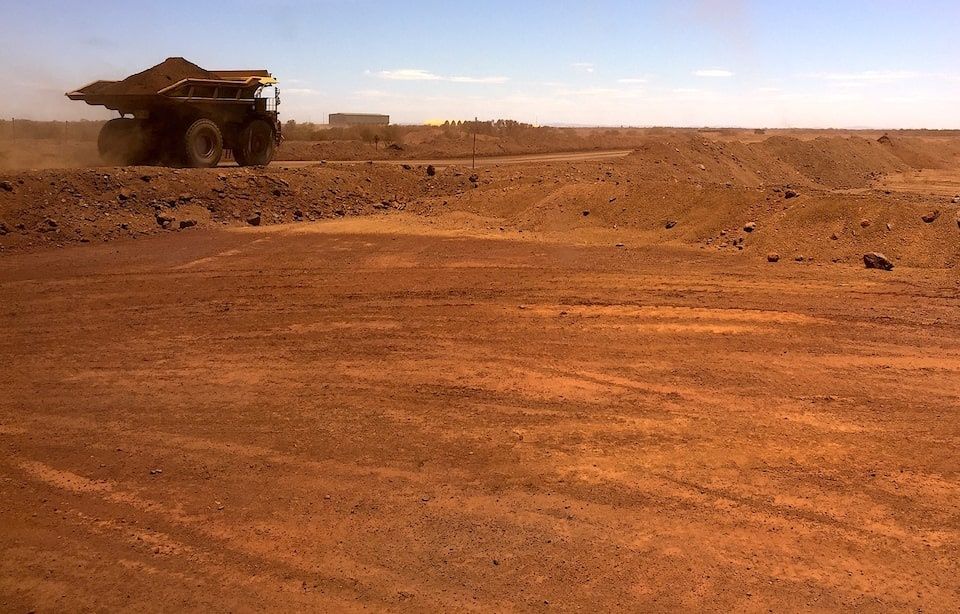
Researchers at Edith Cowan University in Western Australia have made a significant discovery that could transform global hydrogen production: vast quantities of natural hydrogen appear to be generated within the state's extensive iron ore deposits. The finding suggests that WA, already a dominant player in global commodity markets, may harbour an unexpected clean energy resource beneath its red soil landscapes. This development carries profound implications not only for Australia's energy transition but also for Southeast Asian nations seeking alternatives to fossil fuels amid tightening climate commitments.
The breakthrough centres on magnetite, an iron oxide mineral abundant in WA's geological formations. Scientists at ECU's School of Engineering determined that this mineral undergoes a chemical reaction with heated groundwater in deep underground environments, producing hydrogen gas as a byproduct. Rather than being a rare geological quirk, this process appears to occur naturally wherever conditions align—potentially making hydrogen production an almost autonomous process occurring kilometres beneath the surface.
To validate their hypothesis, the research team conducted a rigorous 60-day laboratory experiment that simulated deep subsurface conditions. Magnetite samples were exposed to water heated to 200 degrees Celsius while subjected to extreme pressure, mirroring the thermal and physical environment of the Earth's crust. The results confirmed their theoretical predictions, demonstrating that hydrogen generation was indeed occurring under these circumstances. The research was subsequently published in the International Journal of Hydrogen Energy, providing peer-reviewed validation for their claims.
Western Australia's geological advantages for this discovery cannot be overstated. The state contains some of the world's largest banded iron formations—geological structures where alternating layers of iron-rich and silicate minerals have accumulated over billions of years. These formations stretch across vast areas of the Pilbara region and other parts of WA, meaning the potential scale of natural hydrogen resources could be enormous. The concentration of these formations in a single location creates a geographic advantage that few other regions worldwide can match.
A particularly intriguing aspect of the research involves enhancing natural hydrogen production through human intervention. The ECU team found that injecting solutions into these banded iron formations could substantially boost hydrogen generation rates. This suggests that passive natural processes might be augmented through targeted engineering approaches, potentially accelerating the commercial viability of harvesting this resource. Such enhancement techniques could transform natural hydrogen from a geological curiosity into an exploitable energy source within a reasonable timeframe.
The study also illuminated fundamental principles governing hydrogen production efficiency underground. The research demonstrated that hydrogen generation depends on two critical factors: the abundance of magnetite present in the formation, and equally importantly, the geological permeability that allows water to continuously reach fresh mineral surfaces. Fractures, pores, and permeable pathways act as conduits, ensuring that water can access reactive mineral surfaces rather than becoming blocked by inert material. This dual dependency means that simply having magnetite is insufficient; the geological structure must also facilitate water flow.
For Southeast Asia, this discovery arrives at a pivotal moment in regional energy policy. Nations across the region—including Malaysia, Indonesia, Thailand, and Vietnam—face mounting pressure to reduce carbon emissions while maintaining economic growth and energy security. Most depend heavily on fossil fuels, and renewable energy infrastructure remains underdeveloped in many areas. A breakthrough in natural hydrogen production could offer a complementary pathway to decarbonisation that doesn't rely solely on wind and solar capacity, which face geographic and seasonal limitations.
The implications extend beyond energy generation to industrial applications. Hydrogen serves as a crucial feedstock for fertiliser production, petroleum refining, and chemical manufacturing—all sectors significant to Southeast Asian economies. If WA can establish reliable natural hydrogen extraction systems, it could reshape global hydrogen supply chains and potentially influence production costs across the region. Malaysia, already positioning itself as a hydrogen hub through various initiatives, would find particular relevance in monitoring this technology's commercial development.
However, substantial challenges remain before this discovery translates into practical energy production. Moving from laboratory confirmation to industrial-scale extraction requires technological development, regulatory frameworks, and significant capital investment. The economic viability of extracting deep underground hydrogen must be proven against competing technologies like green hydrogen produced through electrolysis. Infrastructure for hydrogen transport, storage, and utilisation remains underdeveloped in most markets.
The timeframe for commercialisation also warrants consideration. While the research demonstrates the geological principle works, establishing economically viable extraction operations typically requires years of additional development. Regulatory approval processes in Australia, environmental impact assessments, and infrastructure construction would extend timelines further. Nonetheless, the fundamental discovery that WA's geological resources can produce hydrogen naturally opens entirely new strategic possibilities.
International interest in this research will likely intensify as energy security concerns and climate imperatives grow more urgent. Countries worldwide seek diversified hydrogen sources to avoid becoming dependent on specific producers or technologies. WA's natural hydrogen deposits, if successfully commercialised, could become part of a global hydrogen economy that helps decarbonise hard-to-abate sectors including aviation, shipping, and heavy industry.
The discovery also underscores how traditional mining regions might transition toward clean energy production. WA built its prosperity on extracting fossil fuel-dependent commodities, but natural hydrogen offers a potential pathway for the state to lead in clean energy. This transformation would align with broader Australian economic shifts toward renewable energy and could position WA as a critical player in global energy markets for decades ahead.
For the broader Asia-Pacific region, this research signals that clean energy solutions may emerge from unexpected sources. Rather than relying exclusively on imported renewable technology or constructing massive wind and solar farms, natural resources already present underground might contribute substantially to decarbonisation. Edith Cowan University's findings suggest that thorough geological investigation of existing mineral deposits could reveal additional energy-producing potential, encouraging other nations and research institutions to examine their subsurface resources with fresh perspectives.

