Australia's aviation regulator has opened a formal investigation into three potentially catastrophic runway incidents that occurred at Sydney Airport over a fortnight, prompting immediate scrutiny of air traffic control procedures and staffing levels at one of the country's busiest aviation hubs. The Transport Safety Bureau announced the probe on Friday following the third incident, which underscores growing concerns about operational safety during a period of increased air traffic demand and ongoing recruitment challenges in the air traffic control sector.
The most recent incident unfolded on the morning of August 9, when a Virgin Australia Boeing 737 that had received clearance for departure encountered a Qantas aircraft actively crossing the runway directly in its path. The Virgin Australia flight crew, spotting the imminent collision risk, executed an emergency braking procedure that brought their aircraft to a halt approximately one kilometre from the Qantas plane. Compounding the severity of the situation, the Qantas aircraft had similarly been cleared by air traffic control to proceed across the runway, creating a dangerous overlap in runway operations that should never occur under normal circumstances.
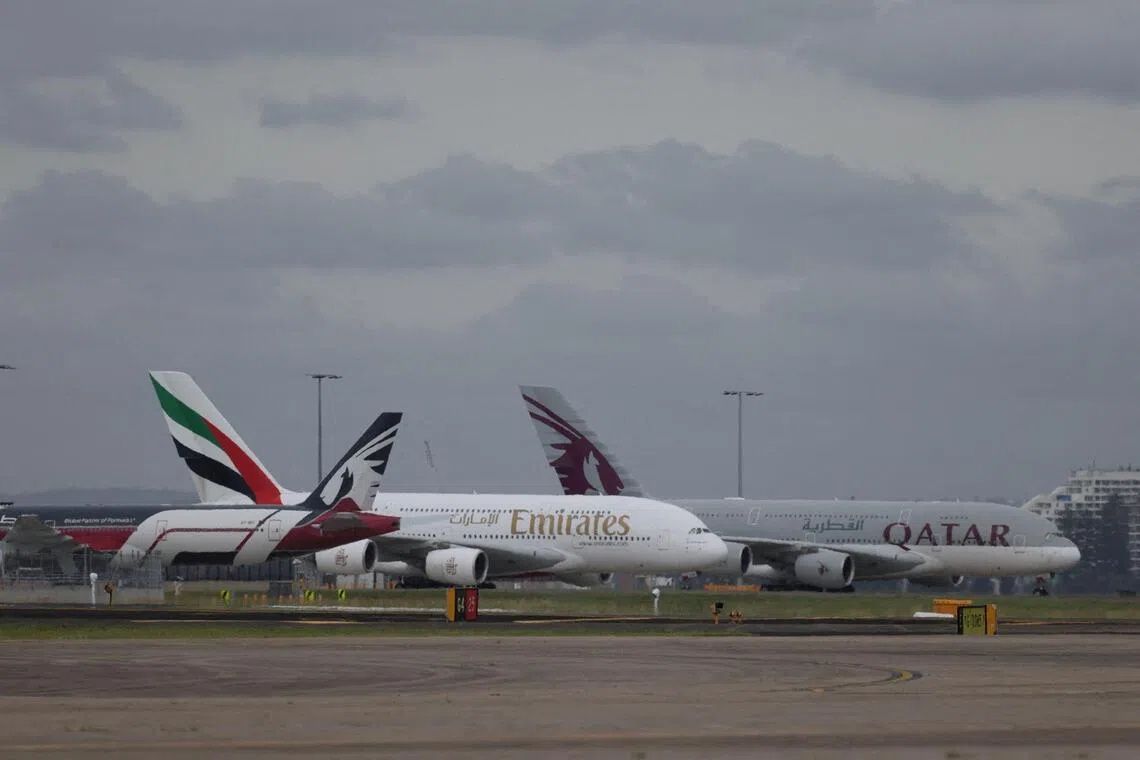
The same day witnessed a second near-disaster when a Jetstar pilot was forced to apply emergency brakes to avert a collision with a Qatar Airways aircraft. The two incidents occurring within hours of each other at Sydney Airport, Australia's primary international gateway, intensified scrutiny of the tower's operational standards and decision-making processes. Adding to the troubling pattern, a separate incident involving two Qantas aircraft had occurred just over a week earlier on July 27, when both planes had been cleared for take-off simultaneously before crews recognised the collision hazard and took evasive action.
Angus Mitchell, Chief Commissioner of the Transport Safety Bureau, acknowledged the gravity of the situation while attempting to reassure the travelling public that authorities would conduct a thorough examination of potential systemic failures. Mitchell emphasised that investigators would examine not only the immediate circumstances surrounding each incident but also broader organisational factors that may have contributed to the dangerous situations. He indicated that the investigation would scrutinise staffing levels within the control tower during the relevant periods, the operational tempo of the airport at those times, and whether sufficient personnel were available to manage the volume of aircraft movements safely.
A complicating factor in the August 9 incident was that a supervisory or training situation was taking place in the tower at the time, Mitchell revealed. This detail suggests that attention may have been divided or that decision-making authority may have been unclear during a critical operational period. The revelation immediately prompted questions about whether training activities should occur during peak operational hours or whether additional safeguards should be implemented when training is conducted simultaneously with regular traffic control duties.
Mitchell acknowledged that Australia's aviation sector is experiencing a significant expansion phase, with substantial increases in air traffic accompanied by an accelerated programme to recruit, train, and certify new air traffic controllers. This expansion, while necessary to accommodate growing passenger demand across the region, has created pressure on existing systems and may have contributed to the vulnerabilities now being exposed. The transport safety chief stressed that regardless of staffing challenges or training demands, the core principle remained inviolable: such dangerous incidents should not occur at any airport.
The delayed reporting of the incidents raises separate concerns about transparency and internal protocols. Questions have emerged about the significant gap between when the incidents occurred and when they were formally disclosed to authorities and the public. This reporting lag potentially indicates gaps in incident notification procedures or oversight mechanisms that might allow dangerous patterns to develop without timely intervention. Streamlined and immediate reporting mechanisms are typically considered essential safeguards in aviation safety culture, allowing authorities to identify trends and implement corrective measures before accidents occur.
Sydney Airport occupies a critical position in Australia's aviation infrastructure and serves as a major international hub for the broader Asia-Pacific region, including Southeast Asia. Any safety concerns at this facility carry implications not only for Australian travellers but for the thousands of regional passengers who transit through the airport daily. The incidents have prompted broader questions about whether similar vulnerabilities might exist at other major regional airports during periods of operational transition or staffing changes.
Prime Minister Anthony Albanese joined Transport Safety Bureau officials in calling for a comprehensive investigation, signalling the political significance attached to the safety lapses. The Government's involvement underscores recognition that aviation safety cannot be compromised and that if systemic issues exist, they must be identified and rectified immediately. The investigation will likely examine whether current air traffic control procedures, technology systems, and staffing models remain adequate for the airport's current operational demands.
The incidents serve as a stark reminder that despite modern aviation's impressive safety record, human factors and operational pressures continue to pose risks in complex environments. As airports across Southeast Asia and the wider Asia-Pacific region experience similar growth in traffic volumes, the Australian investigation may yield lessons relevant to regional aviation authorities and airports managing comparable expansions. The Transport Safety Bureau's commitment to examining not merely the individual incidents but the underlying systems that permitted them suggests the investigation may ultimately influence procedures and policies across multiple aviation jurisdictions grappling with similar challenges of scaling operations while maintaining safety standards.

