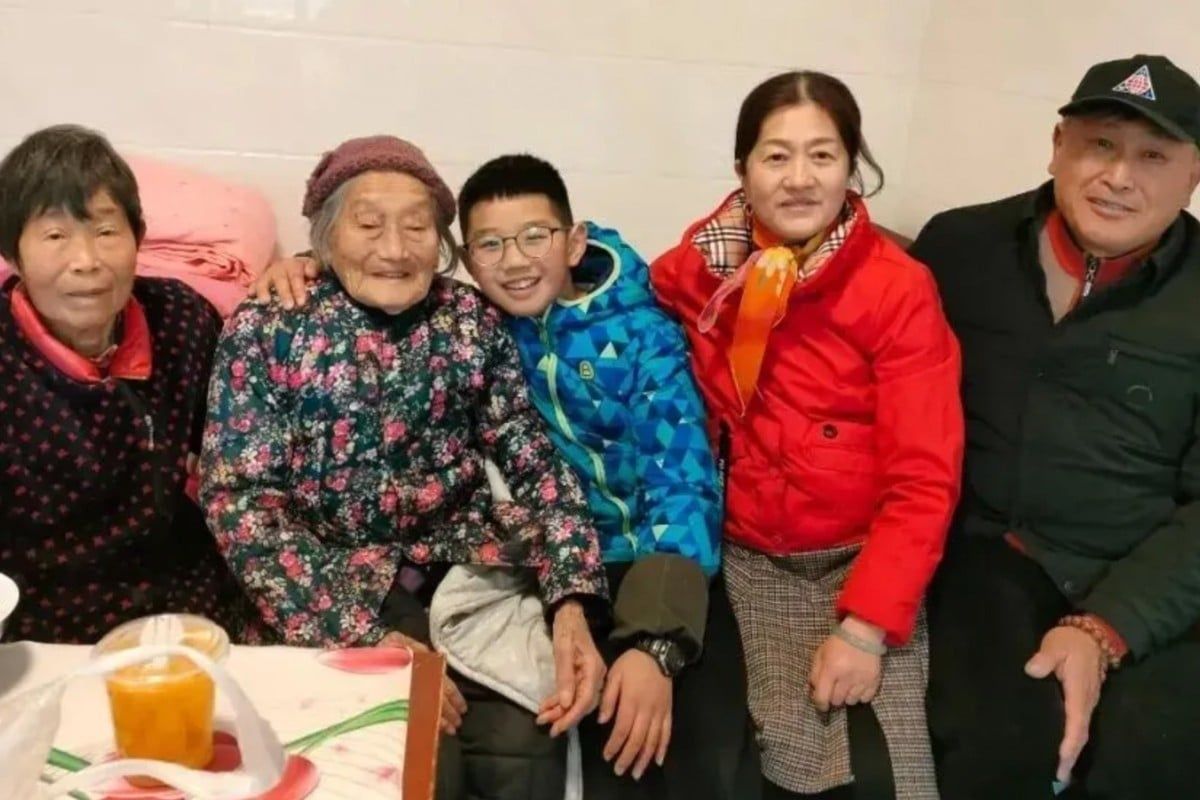
Wang Gaiying, a 111-year-old grandmother living in Rugao, Jiangsu province in eastern China, has become an unexpected social media sensation by demonstrating that longevity need not result from rigorous fitness regimens or expensive wellness protocols. Instead, her approach to ageing gracefully centres on embedding movement naturally into everyday domestic tasks, treating what many might dismiss as mundane chores as genuine physical activity. Her story resonates particularly in a region already celebrated for exceptional lifespans, and it carries wider implications for how ageing populations across Asia might reconsider their relationship with physical activity and daily living.
Rugao occupies a distinctive place in China's longevity landscape. As of February, the municipality was home to 672 centenarians—an extraordinarily high concentration that has earned it recognition as one of the country's premier "longevity capitals." This clustering of extreme age is not random. Researchers at the Chinese Academy of Sciences' Institute of Soil Science in Nanjing have identified a compelling connection between the region's mineral composition and the health outcomes of its residents. The area's geologically enriched soil produces crops laden with trace elements that provide sustained nutritional benefit, suggesting that longevity in Rugao emerges from the intersection of environmental advantage and lifestyle choice rather than genetics alone.
Wang's living arrangements reflect traditional family structures still common in parts of rural and semi-rural China. She resides within a five-generation household, anchored by her grandson, now aged 60, though the circumstances surrounding her late husband remain private. This multigenerational context matters considerably, as family units of this kind typically sustain different patterns of daily activity, meal preparation, and social engagement than isolated nuclear arrangements. The presence of younger generations, even into late adulthood themselves, creates natural opportunities for movement and purposeful interaction.
What distinguishes Wang's approach is her refusal to accept age-related limitations on physical contribution. Even when well into her hundreds, she actively worked in agricultural fields, personally harvesting peanuts and watermelons alongside other family members. While her pace has inevitably diminished, she maintains the psychological and physical orientation of someone engaged in productive labour. This contrasts sharply with retirement models prevalent in more industrialised societies, where cessation of formal work often triggers a cascade of sedentary habits. Wang's insistence that she remains capable and not elderly—despite objectively being among the world's oldest living people—reflects a mindset that actively resists the social disengagement often accompanying advanced age.
Her daily physical engagement now centres on light domestic work: wiping tables, folding clothes, and maintaining household order. When family members urge her to rest, Wang articulates a sophisticated understanding of physiology that aligns with contemporary gerontological research. She explains that such activities maintain limb flexibility and circulatory function—precisely what movement specialists now emphasise as critical for preventing the muscular atrophy and cardiovascular decline that typify sedentary ageing. Her intuitive grasp of these principles, developed through lived experience rather than formal education, underscores how older adults intuitively understand their own bodily needs.
Nutrition constitutes the second pillar of Wang's longevity strategy. Her diet remains notably simple yet deliberately balanced, with family members varying meals and rotating staple foods including dumplings and steamed buns to ensure dietary diversity. Fish holds particular prominence in her preferences, valued both for its tender consistency that suits diminished dentition and for its digestibility. Critically, Wang subscribes to a philosophy of variety rather than excess, consciously restraining portion sizes and avoiding the overconsumption that plagues many societies experiencing nutritional abundance. This restraint, combined with the mineral-rich agricultural products from local soil, creates a nutritional foundation substantially different from typical modern diets.
Social media influencer Yaoqing Ge, who documented Wang's life in December, revealed an intriguing historical dimension to her dietary practices. Wang once enjoyed rice steeped in baijiu, the traditional Chinese spirit, a practice spanning many years. However, her family discontinued this custom approximately five years ago after weighing longevity benefits against practical risks. The concern centred on potential intoxication effects and elevated fall risk—a pragmatic assessment reflecting how longevity practices must adapt as physical resilience changes. This evolution demonstrates that successful ageing involves not rigid adherence to unchanging habits but rather flexible recalibration as circumstances warrant.
Beyond the physical dimensions of longevity, Wang attributes her extended lifespan to emotional and relational practices often overlooked in gerontological discussions. She maintains a personal discipline of performing at least one small act of kindness daily, whether complimenting a family member or sending greetings to elderly friends. This commitment to generosity creates psychological engagement and reinforces social connection—factors increasingly recognised as significant determinants of longevity. Her calm temperament and preference for processing frustration through sleep rather than rumination further suggest that psychological resilience constitutes a genuine component of her longevity formula. She articulates this philosophy with striking clarity: troubles never accompany her to bed, and morning perspective frequently renders overnight worries trivial.
Wang's sleep architecture appears deliberately structured, consisting of nocturnal rest from 7pm to 7am supplemented by one or two daytime naps. This pattern differs substantially from the consolidated eight-hour nocturnal sleep idealised in Western sleep science, instead reflecting a biphasic or polyphasic rhythm more historically common across many cultures. The consistency of this schedule, maintained across years, provides her brain and body with predictable physiological conditions that support cellular renewal and cognitive function.
The resonance of Wang's story across digital platforms reflects broader societal curiosity about longevity mechanics in an era of demographic ageing. One online commentator observed that Wang's longevity appears simultaneously blessed and earned—a recognition that her exceptional lifespan results from convergent advantages. The Rugao context provides genetic predisposition, environmental mineral abundance, and cultural traditions supporting active engagement with age. Yet within these circumstances, Wang's personal choices—continued work, emotional restraint, deliberate kindness, and adapted nutrition—represent conscious investments in her own sustained vitality. For Southeast Asian societies confronting their own demographic transitions and searching for sustainable models of healthy ageing, Wang's example offers instructive contrasts to medicinalised approaches emphasising pharmaceutical intervention or expensive wellness commodities. Her embodied wisdom suggests that longevity emerges from the accumulated effects of sensible daily choices, embedded within supportive family and environmental contexts.

