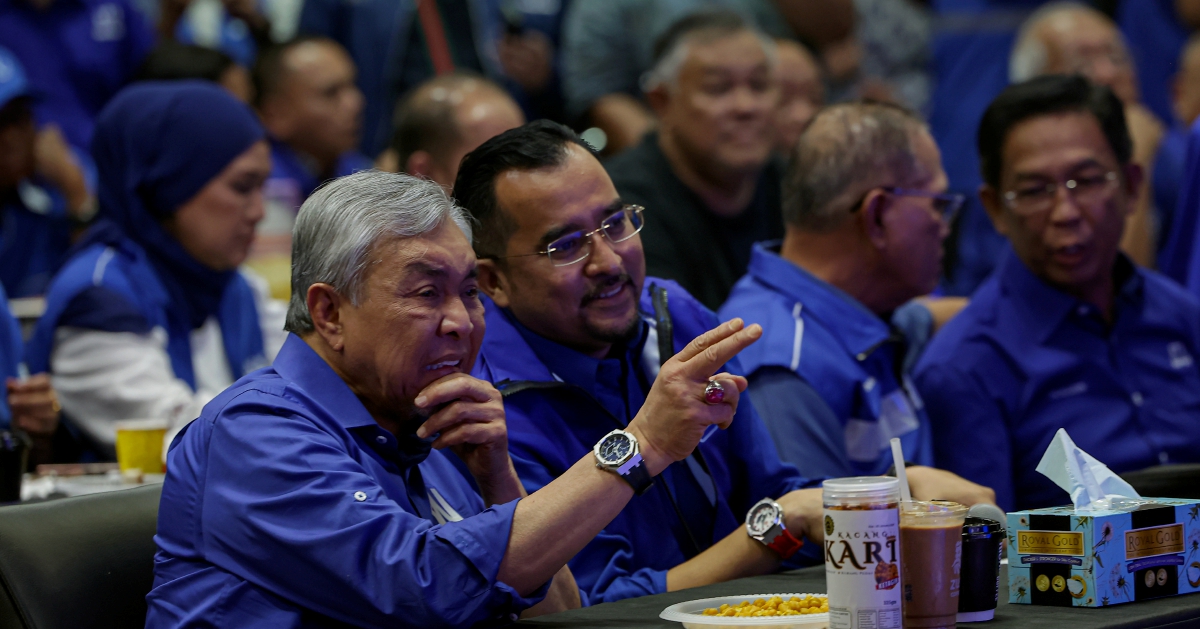
Umno's secretary-general Datuk Dr Asyraf Wajdi Dusuki delivered a pointed message to party ranks following Barisan Nasional's electoral success in Negri Sembilan, emphasising that the coalition's win should prompt reflection rather than celebration. The veteran politician stressed the importance of maintaining a measured approach to the mandate voters had granted, cautioning against the overconfidence that has historically plagued the party during periods of electoral strength.
The cautionary remarks come at a significant juncture for Umno, which has been rebuilding its political standing following the tumultuous events of 2018 and subsequent years. The Negri Sembilan result represents a tangible demonstration of public support, yet Asyraf's intervention suggests party leadership remains acutely aware of how quickly electoral fortunes can shift. His emphasis on humility reflects a strategic acknowledgment that the electorate's patience is neither unlimited nor unconditional.
Historically, Umno and Barisan Nasional have faced severe consequences when ascending to power with inflated confidence. The 2018 general election, which resulted in the coalition's ouster after more than six decades of unbroken governance, is widely attributed in part to public perception of arrogance and entitlement. Asyraf's current message appears designed to ensure the party does not slide into similar patterns that precipitated that historic defeat.
The call for restraint carries particular resonance within the Malaysian political context, where voter sentiment can shift dramatically based on perceived leadership conduct. Throughout Southeast Asia, electoral mandates are increasingly fragile, with citizens demonstrating willingness to punish perceived malfeasance or overreach through the ballot box. Umno's leadership appears determined to learn from this regional pattern, positioning themselves as chastened and reformed rather than triumphant.
Ayraf's intervention also reflects internal party dynamics where different factions maintain varying approaches to power consolidation. By publicly emphasising humility, he sends a dual message: to supporters that Barisan Nasional remains a responsible steward of public trust, and to internal audiences that the party's upper hierarchy prioritises long-term positioning over short-term triumphalism. This signals an attempt to unify disparate elements within Umno's broad coalition.
The Negri Sembilan victory itself demonstrates that Barisan Nasional retains considerable electoral appeal, particularly in traditional heartland states. The coalition's success suggests that voters have not entirely abandoned it despite the dramatic reversal of 2018. However, the margin and composition of support remain crucial considerations, as some analysts note that victories in state elections do not automatically translate to federal-level strength or guarantee sustained backing.
Ayraf's emphasis on not repeating mistakes implies specific reference to administrative decisions and governance approaches that alienated voters in prior administrations. Whether related to corruption perceptions, economic management, or social policy implementation, the subtext of his warning extends beyond mere attitude adjustment to encompass substantive governance commitments. This suggests that Umno's leadership views electoral success as conditional upon demonstrated improvement in actual performance.
The political landscape across Malaysia has undergone remarkable transformation in recent years, with voter preferences becoming increasingly volatile and difficult to predict. Barisan Nasional's retention of substantial support in certain regions coexists with significant losses in others, creating a fragmented electoral terrain that rewards careful cultivation of public confidence. Asyraf's message acknowledges this reality by positioning humility and restraint as strategic imperatives rather than optional character traits.
For Umno specifically, the balance between capitalising on electoral momentum and maintaining public trust has become infinitely more complex than in previous eras of unchallenged dominance. The party must demonstrate that it has absorbed lessons from its 2018 experience while convincing voters that governance improvements are genuine rather than performative. Asyraf's public intervention serves this dual purpose, signalling both internally and externally that the party approaches its renewed responsibilities with appropriate caution and self-awareness.

