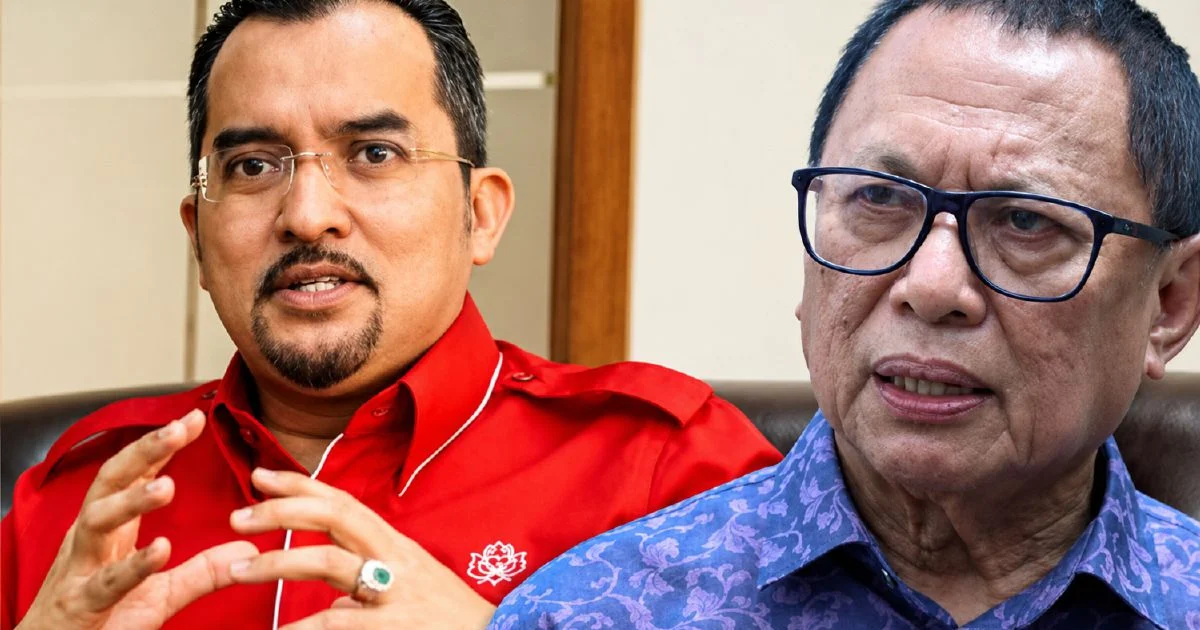
Umno's top administrative official Datuk Dr Asyraf Wajdi Dusuki has launched a pointed rebuttal against former party member Datuk Dr Mohd Puad Zarkashi, defending the party against contentions raised following the latter's exit from the organization. The exchange marks another episode of significant internal friction within Malaysia's largest Malay-Muslim political party, which has faced repeated cycles of factional disagreement over leadership direction and policy decisions in recent years.
The resignation of Puad Zarkashi, a prominent figure with considerable standing within Umno's intellectual and policy circles, represents a notable defection that carries implications beyond individual departure statistics. High-profile exits from Umno typically signal underlying disagreements about party strategy, personal advancement prospects, or fundamental ideological positions. Such departures often precede or follow broader organizational shifts, making them barometers for assessing the party's internal health and direction.
Aryaf Wajdi's forceful response underscores the sensitivity surrounding Puad Zarkashi's decision to leave, suggesting that the circumstances or public statements accompanying his resignation touched upon matters the party leadership considered serious enough to warrant immediate and emphatic counter-statements. Rather than allowing allegations or claims to stand unchallenged, the secretary-general opted for direct engagement, a strategy indicating that passive silence might have been interpreted as tacit acknowledgment of criticisms leveled against the party or its functioning.
The nature of disputes between senior party figures often reflects broader tensions within Umno's complex political architecture. The party encompasses diverse factions representing different generational, ideological, and regional interests. When senior members clash publicly, these confrontations frequently illuminate underlying fractures that periodically emerge during succession transitions, policy debates, or questions concerning party resources and institutional authority. Such public exchanges also send signals to the broader party membership about leadership priorities and where authority lies within the organization.
Palace-related claims mentioned in connection with Puad Zarkashi's departure suggest that institutional relationships at the highest levels of Malaysian governance may have featured in the disagreement. References to royal establishments in political disputes carry particular weight in Malaysia's constitutional framework, where the monarchy maintains formal and symbolic prominence. The willingness of party figures to invoke or discuss such matters indicates that the underlying dispute may have transcended routine administrative or factional concerns, potentially touching upon questions of constitutional significance or political protocol.
For Malaysian readers following Umno's trajectory, this confrontation demonstrates the party's continuing struggle to maintain organizational cohesion while managing internal ideological diversity and leadership ambitions. Umno's fortunes significantly influence national politics given its historical role, its substantial parliamentary representation, and its influence within the ruling coalition structures. Internal discord at senior levels consequently reverberates beyond the party, affecting government stability and policy direction at state and federal levels.
The public nature of Asyraf Wajdi's response, occurring in Johor Baru where significant numbers of party members and political observers would receive the message, suggests a calculation that addressing Puad Zarkashi's claims openly served the party's immediate interests better than allowing alternative narratives to circulate unchecked. In contemporary Malaysian politics, where social media and rapid information dissemination can amplify allegations quickly, party leadership frequently must respond promptly to contain potential reputational damage or loss of member confidence.
Puad Zarkashi's standing within Umno circles prior to his departure indicates that his resignation and any accompanying allegations would receive attention beyond casual party observers. Individuals holding significant intellectual or administrative profiles within Umno command particular influence over party discourse and member perceptions. Their departures therefore warrant managerial responses designed to mitigate potential spillover effects on party unity or member morale. The secretary-general's direct engagement reflects awareness of these dynamics.
The exchange between these two senior figures ultimately illustrates the perpetual balancing act that Umno's leadership must perform between maintaining party unity and responding to substantive disagreements that emerge from within its ranks. The party has historically weathered internal conflicts, but each cycle of public disagreement among leadership figures risks eroding member confidence or creating openings for rival political organizations to capitalize on apparent disunity. How party leadership manages such disputes significantly influences both immediate political positioning and longer-term organizational sustainability.
As Malaysia's political landscape continues evolving with shifting coalition dynamics and changing voter preferences, Umno's internal stability and leadership coherence remain pivotal factors determining the party's capacity to influence national outcomes. Disputes like the one between Asyraf Wajdi and Puad Zarkashi, despite their appearance as routine factional disagreement, carry implications extending well beyond individual personalities, affecting broader assessments of institutional strength and political direction that ripple across the regional political economy.

