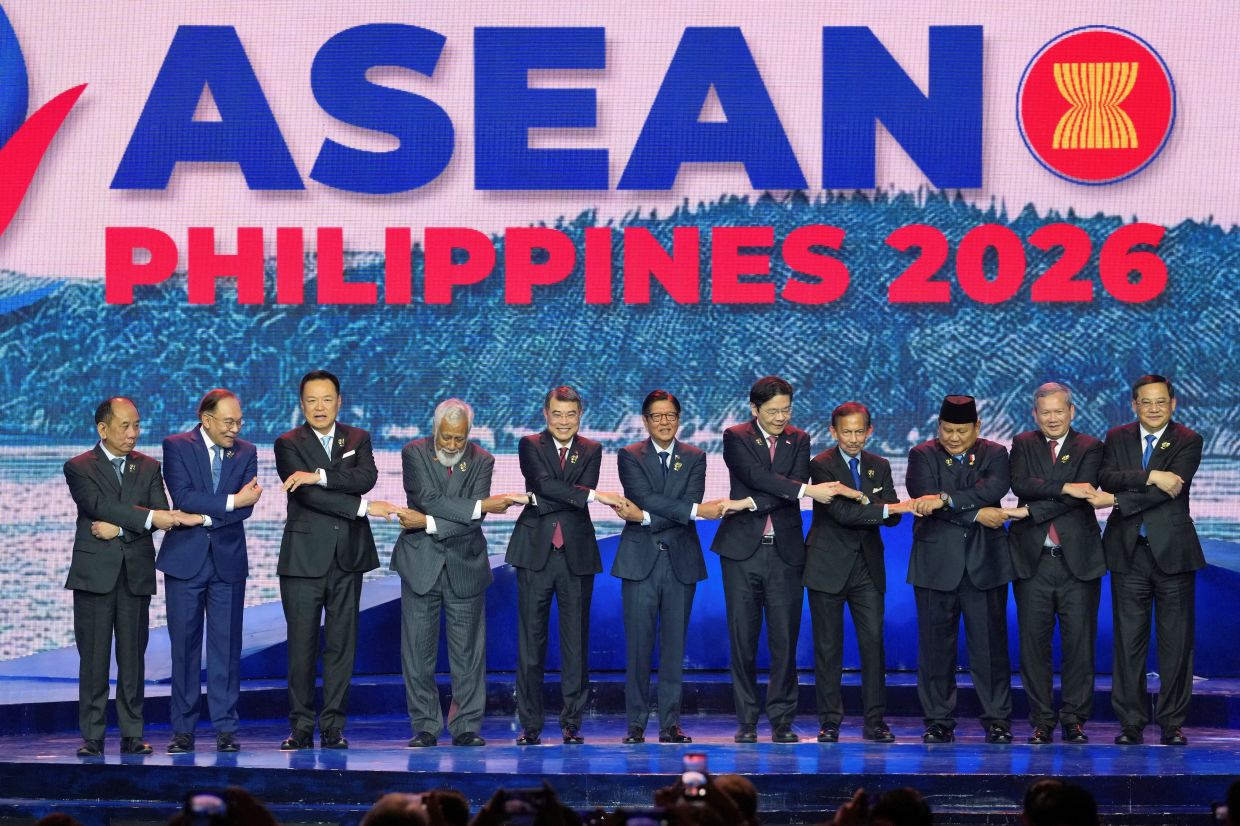
Southeast Asia's foreign ministers are gathering in Manila this week for annual Asean discussions that will tackle some of the world's most pressing geopolitical flashpoints, from escalating Middle East hostilities to entrenched regional conflicts closer to home. The three-day meeting, hosted by the Philippines which currently chairs the 11-nation regional bloc, will draw a heavyweight roster including US Secretary of State Marco Rubio, Chinese Foreign Minister Wang Yi and Russian Foreign Minister Sergey Lavrov, underscoring the diplomatic stakes and international attention focused on the gathering.
The renewed fighting between the United States and Iran looms large over the Manila talks, with Asean foreign ministers planning to issue a joint statement expressing concern and calling for both powers to restart diplomatic channels. The escalation carries direct implications for Southeast Asia's 680 million people, as the region depends heavily on Middle East oil and gas supplies and suffered acutely during previous energy crises triggered by regional conflicts. The Philippines' own vulnerability was underscored when President Ferdinand Marcos Jr declared a national energy emergency in March to prevent fuel and food shortages amid global supply disruptions. Beyond energy security, the Middle East tensions have diverted significant American military attention away from Indo-Pacific concerns, raising anxieties among regional allies about Washington's commitment to countering China's assertive behaviour in the contested South China Sea and its military posture toward Taiwan.
Rubio's presence in Manila signals an effort by the Trump administration to reassure partners about sustained US engagement in Asia-Pacific affairs despite global turbulence elsewhere. State Department officials have framed the visit as advancing American priorities for a "free and open Indo-Pacific" that delivers security and economic benefits to the region. While Rubio has indicated openness to meeting Wang, he stopped short of confirming details beforehand, though he also sought to strike a conciliatory tone about Sino-American relations. The secretary expressed that while bilateral irritants and disagreements are inevitable between major powers, maintaining dialogue serves mutual interests and global stability. He also indicated optimism that Chinese leader Xi Jinping will visit the United States in September, suggesting both capitals are pursuing diplomatic channels despite underlying tensions.
On the sidelines of the Asean ministerial, Rubio is expected to convene with fellow Quad members from India, Japan and Australia, reinforcing what Beijing views as a coordinated strategy to contain Chinese influence. The Quad grouping has become a focal point of regional security architecture in the Indo-Pacific, though it remains controversial among Beijing and some Southeast Asian capitals concerned about divisive geopolitical alignments. The bloc's expanding role reflects persistent worries about China's military modernisation and its approach to territorial disputes that affect multiple Asean members.
The Myanmar crisis remains an intractable problem testing Asean's cohesion and diplomatic credibility. Since the military coup displaced Aung San Suu Kyi's elected government in 2021, fighting has claimed over 8,100 lives with nearly 22,500 political detainees held in custody, according to human rights monitors. The bloc's five-point peace framework from 2021 has proven ineffective, largely because Myanmar's military rulers have failed to implement its provisions. This failure prompted Asean to exclude Myanmar's leadership from top-level meetings, though that stance faces mounting pressure and criticism from within the bloc itself.
A significant diplomatic shift occurred recently when Philippine Foreign Secretary Theresa Lazaro and other Asean ministers met Myanmar's foreign minister Tin Maung Swe in Bangkok—the first such engagement at that level in five years. The ministers renewed appeals for violence reduction and cross-party dialogue but extracted no tangible concessions from Myanmar's military-backed government. The move immediately drew condemnation from international rights organisations who argued the Asean delegation had effectively abandoned its principled stance by meeting senior Myanmar officials without securing substantive commitments to peace or human rights improvements. Lazaro countered that resuming diplomatic contact with all conflict parties, not abandoning principle, represented the path toward resolution. The Thai and Philippine ministers subsequently held separate consultations with representatives of Myanmar's ethnic armed groups in Pattaya to assess their perspectives on peace prospects.
This diplomatic gambit highlights the tension within Asean between maintaining principled positions on democracy and human rights versus pragmatic engagement aimed at de-escalation and dialogue. The bloc faces criticism from two directions simultaneously—human rights advocates contend it has compromised its values, while some regional capitals argue that isolation has proven counterproductive. The outcome of the Manila discussions will signal whether Asean can chart a more coherent approach or whether divisions within the membership will continue to undermine collective action on Myanmar.
The South China Sea disputes will feature prominently in Manila discussions, particularly regarding negotiations on a "code of conduct" between China and Asean designed to manage territorial tensions and prevent clashes from spiraling into larger conflicts. The negotiations have proceeded fitfully for years, and the recent spike in confrontations between Chinese and Philippine coast guard forces demonstrates the urgency of establishing clearer rules of engagement. Malaysia, the Philippines, Vietnam and Brunei all maintain competing claims in the waterway alongside China and Taiwan, creating a complex diplomatic geometry that Asean must navigate while accommodating both China's weight and smaller members' security concerns.
The Manila gathering reflects broader anxieties about great power competition reshaping Southeast Asia's geopolitical landscape. With the United States signalling renewed commitment to regional engagement, China pursuing its territorial and strategic interests assertively, Russia maintaining a diplomatic presence, and the European Union increasingly attentive to Indo-Pacific developments, Asean capitals face mounting pressure to balance competing interests while advancing their own security and economic agendas. The bloc's ability to forge consensus on contentious issues—from Myanmar's political crisis to maritime disputes and great power tensions—will significantly influence regional stability and prosperity in coming months. The Manila meetings represent a critical moment for testing Asean's diplomatic cohesion and effectiveness in an increasingly complex strategic environment.

