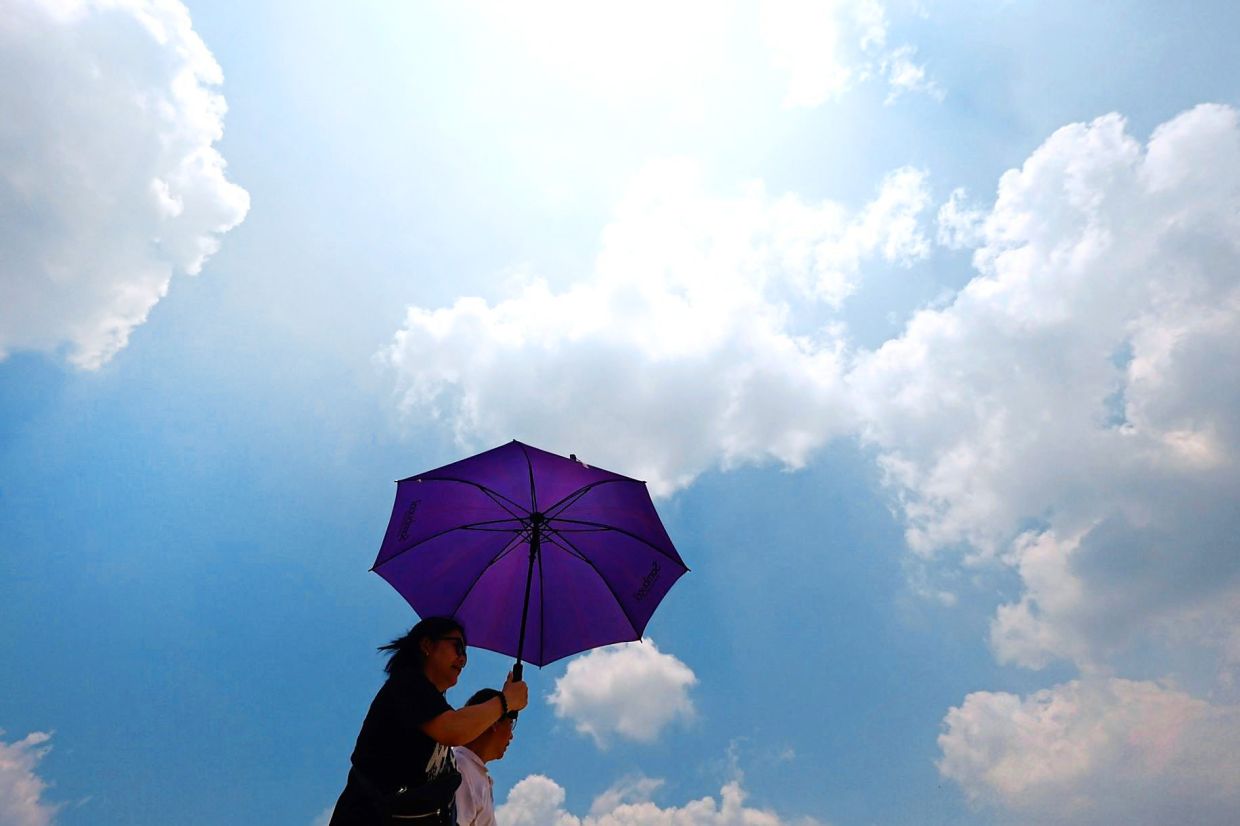
A stark warning from the World Health Organization on June 30, 2026, underscores a troubling reality: the world faces not occasional heatwave shocks but an entrenched pattern of recurring thermal crises. Following a sequence of record-shattering temperatures that decimated communities across Europe and claimed numerous lives, WHO Europe regional director Dr Hans Kluge delivered a sobering assessment that heatwaves now constitute a permanent feature of the climatic landscape rather than exceptional anomalies. This shift from sporadic crisis to chronic condition represents a fundamental challenge to public health infrastructure globally, and nowhere is this challenge more immediate than in Southeast Asia, where vulnerable populations already contend with tropical climates and limited cooling resources.
Yet amid this grim outlook, a natural question emerges: can the human physiology itself evolve to withstand these intensifying thermal assaults? The answer, according to medical meteorologist Kathrin Graw of Germany's Deutscher Wetterdienst, is nuanced and sobering. Human bodies possess a genuine capacity for heat acclimation, but this adaptive potential operates within narrow, clearly demarcated boundaries. The capacity of individuals to tolerate elevated temperatures, Graw explains, improves measurably during the early phases of exposure, particularly as the body undergoes biochemical adjustments within a single season. However, this adaptive process deteriorates sharply once heat persists beyond a certain threshold, transforming what the body can initially manage into an increasingly lethal burden.
The cumulative nature of prolonged heat exposure creates a cascading physiological crisis that intensifies with each passing day. When a heatwave stretches across two weeks or longer, the human organism undergoes a progressive deterioration in its capacity to regulate core body temperature and maintain vital organ function. The problem intensifies dramatically when nocturnal temperatures remain elevated, eliminating the customary window during which the body cools and recovers. Graw emphasises that the absence of nighttime relief proves particularly catastrophic because sleep disturbance compounds daytime heat stress, leaving individuals less physiologically prepared to endure the subsequent day's temperatures. This cyclical degradation explains why mortality spikes not during the initial days of a heatwave but rather during its prolonged middle and late stages.
Research from the DWD provides empirical evidence of this pattern, demonstrating that mortality consequences from sustained heat intensify dramatically as duration extends. For individuals suffering from cardiovascular disease—a substantial portion of ageing populations in developed and developing nations alike—excess death rates jump to 18 percent above baseline during the 11th and 12th days of a heatwave, compared to just 8.5 percent during the initial days. This progression reveals a critical public health insight: the danger does not stem primarily from brief spikes but from the body's exhaustion during extended thermal stress. For Malaysian communities, where cardiovascular disease represents a significant disease burden and where many older adults lack access to air conditioning, this escalating risk profile carries particular resonance.
Within a single season, the human body does demonstrate measurable adaptation to heat. Weather services across Europe calibrate their warning thresholds seasonally, issuing alerts at lower temperatures during spring and early summer when populations have not yet acclimated, versus higher thresholds in late summer when physiological acclimatization has progressed. This pragmatic approach reflects genuine biological adaptation at the intra-seasonal level. The body's capacity to increase heat dissipation, expand blood plasma volume, and enhance sweat production does genuinely improve with gradual exposure during warmer months, offering some resilience against the thermal environment.
The more troubling question concerns multi-year and generational adaptation. Can populations exposed to increasingly frequent heatwaves develop lasting physiological tolerance that persists year after year? Graw identifies limited evidence suggesting this might occur. Populations in Mediterranean and subtropical regions that have endured heat stress for millennia do exhibit somewhat lower heat-related mortality than their counterparts in traditionally cooler climates. This suggests that long-term evolutionary or cultural adaptation offers some protective value. However, this modest advantage cannot be extrapolated into confident predictions about the future, particularly given the unprecedented rate at which climatic conditions are shifting globally.
The speed of climate change presents an insurmountable barrier to meaningful long-term adaptation. While the human body and human societies might theoretically adjust to gradually warming conditions across decades or centuries, the telescoping timescale of contemporary climate change eliminates this possibility. Temperature increases that would previously have unfolded across multiple human generations now compress into single decades. This acceleration outpaces both the genetic evolution and the cultural adaptation mechanisms through which populations historically adjusted to environmental change. Graw warns that the body cannot sustainably adapt to changes happening with such velocity, especially when those changes involve temperatures approaching or exceeding the upper bounds of human thermal tolerance.
For Southeast Asia specifically, the implications demand urgent policy attention. The region already experiences extreme heat, with tropical monsoon climates creating conditions where combinations of temperature and humidity regularly approach or exceed dangerous thresholds. Unlike populations in temperate zones that may have several decades before heat becomes truly intolerable, Southeast Asian communities face an accelerating crisis within the next decade. Infrastructure designed for historical climate conditions—buildings without cooling, outdoor working environments standard in construction and agriculture—cannot be rapidly retrofitted to protect populations. Vulnerable groups including outdoor workers, the elderly, and those in informal settlements face exposure levels that no individual physiological adaptation can adequately address.
Public health systems must therefore shift from expecting populations to adapt and instead focus on structural and systemic interventions. Early warning systems require expansion and integration with real-time response mechanisms that can reach isolated communities. Urban planning must prioritise cooling centres and expanded access to electricity for refrigeration. Workplace protections need strengthening, particularly for agricultural and construction sectors where outdoor heat exposure remains unavoidable. Critically, these adaptations must be implemented immediately, as waiting for individuals to acclimate physiologically guarantees unnecessary mortality and morbidity in the interim years.
The medical evidence increasingly suggests that relying on human adaptation—whether physiological or behavioural—to manage intensifying heatwaves represents a dangerously inadequate response. The body's capacity to tolerate heat operates within strict limits, with those limits shrinking as heat duration extends and as climatic conditions deteriorate. While certain populations may derive modest protective benefits from historical heat exposure, such advantages cannot scale to meet the challenge of unprecedented thermal stress. The path forward requires aggressive mitigation of climate change itself alongside immediate adaptation of infrastructure, institutions, and public health systems. Without these parallel interventions, heatwave mortality will continue rising inexorably, regardless of how much individual bodies might attempt to acclimate.

