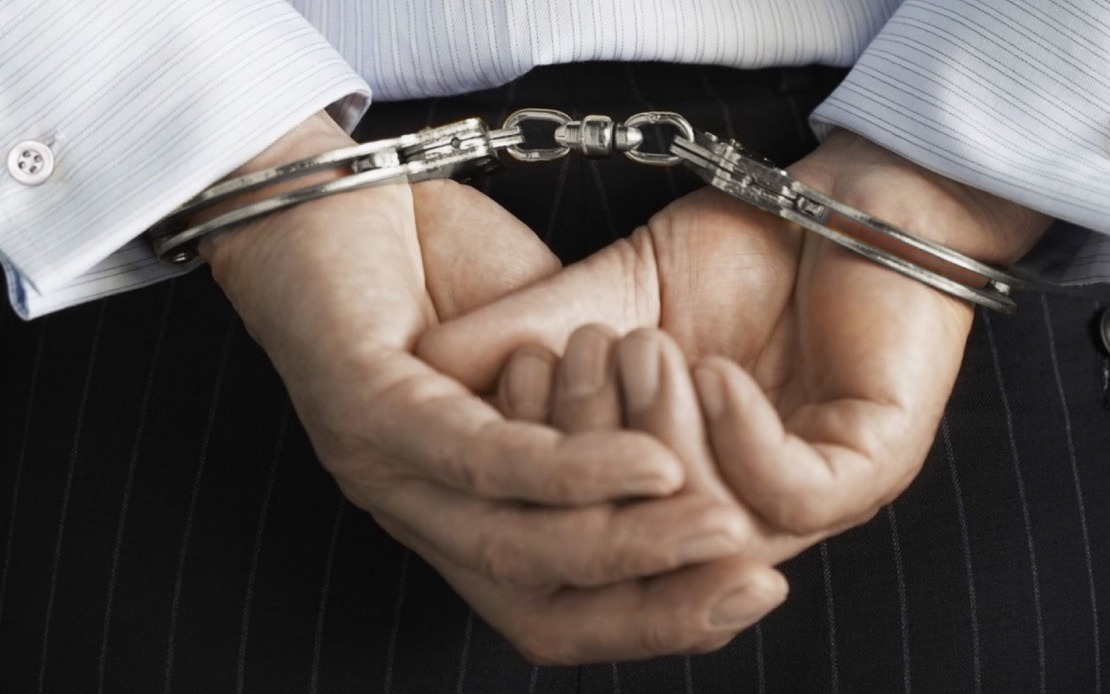
An armed individual was taken into custody at Donald Trump's golf course in Rancho Palos Verdes, California, following a security incident that has renewed focus on the protective measures surrounding the former U.S. president. The Los Angeles County Sheriff's Department announced the arrest on Tuesday, revealing that plain-clothes officers had identified a suspicious person at the Trump National Golf Course on Sunday. The timing proved particularly significant, as Trump was scheduled to attend a Republican Party fundraising dinner at the venue that same evening.
The initial discovery unfolded when security personnel observed the man engaged in what they described as concerning behaviour. According to law enforcement accounts, the individual was photographing and recording video footage whilst appearing to monitor security planning activities on the golf course grounds. This pattern of conduct immediately triggered alarm bells among security staff, prompting officers to move in and apprehend the suspect before any escalation could occur.
Once in custody, police conducted a thorough search that uncovered a disturbing arsenal. Officers recovered ammunition and a 16-round magazine in the man's possession at the time of arrest. A subsequent examination of his vehicle yielded even more alarming findings: a loaded pistol was discovered along with another loaded magazine within easy reach. The discoveries suggested the suspect had come to the location with weaponry readily accessible, raising serious questions about his intentions.
The investigation extended beyond the immediate scene when authorities searched the suspect's residence. That search proved highly revealing, uncovering a collection of weapons and ammunition along with body armour and radio signal devices. Perhaps most troubling to investigators were multiple notebooks found at the property containing statements that law enforcement deemed concerning. These documents would likely provide investigators with crucial insight into the suspect's state of mind and potential motivations.
The incident occurs within a broader context of escalating security threats against Trump, a pattern that has become increasingly evident over recent years. In February of this year, an armed man was fatally shot by authorities at Trump's Mar-a-Lago estate in Florida, an incident that underscored the vulnerability of the former president's properties to potential attackers. The situation reflects a troubling trend that extends beyond Trump's residences and extends to his public appearances as well.
Trump's exposure to violence has taken multiple forms in recent times. During the 2024 campaign season, whilst conducting a campaign event in Pennsylvania, Trump sustained a wound to his ear after shots were fired at the gathering. That same year, security personnel at Trump's West Palm Beach golf course identified and neutralised an armed man who had concealed himself in the surrounding bushes and was believed to be preparing an attack. These incidents paint a picture of someone facing repeated attempts or threats against his physical safety.
Violent incidents involving Trump have also occurred in settings beyond his private properties and campaign venues. In April of this year, gunfire erupted at a press dinner being held in Washington, creating a dangerous situation that forced security personnel to evacuate Trump and his wife from the venue. The event was subsequently abandoned as authorities worked to secure the premises and investigate the shooting.
The cumulative effect of these repeated security breaches and threats has intensified scrutiny on how protective services operate around high-profile political figures. The Rancho Palos Verdes incident demonstrates that law enforcement agencies remain vigilant and capable of identifying suspicious individuals before they can pose an immediate threat. However, the frequency of such incidents raises broader questions about the evolving nature of security risks in contemporary American politics.
For Malaysian observers, the incident underscores the serious security challenges facing democratic nations where public figures must balance accessibility with protection. Southeast Asia, which has its own history of political violence and security concerns affecting leaders and dignitaries, can draw lessons from how mature democracies like the United States continue to grapple with balancing open governance with adequate personal protection. The incident also highlights how private properties and public venues present distinct security vulnerabilities that require tailored protective strategies.
The arrest near Rancho Palos Verdes serves as a reminder that threats to political figures often manifest through individuals acting with apparent planning and deliberation. The discovery of surveillance equipment, weaponry, body armour, and written materials suggests a level of premeditation that goes beyond spontaneous violence. For security professionals worldwide, such cases provide valuable intelligence about threat patterns and methods used by individuals harbouring violent intent against protected persons.
As Trump continues his political activities, the incident will likely prompt further review of security protocols at his properties and public appearances. The fact that plain-clothes officers successfully identified and apprehended the suspect suggests that current surveillance and response mechanisms possess some effectiveness, though the continued frequency of such incidents indicates that the threat environment remains persistently challenging.

