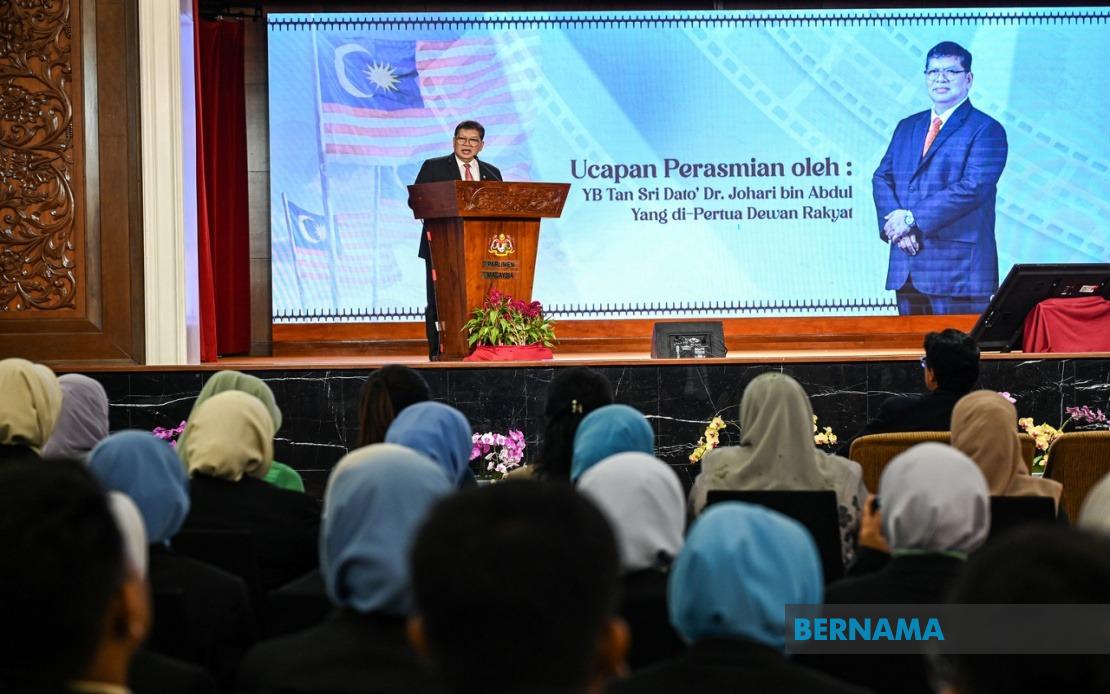
Parliament has unveiled a short film called "Arkitek Bangsa" as part of a concerted effort to inspire the next generation of Malaysians to become active nation-builders rather than passive observers of their country's development. The initiative, unveiled at a special screening held at the Parliament Building in Kuala Lumpur on July 16, represents one of several coordinated programmes designed to cultivate leadership qualities and patriotic values among young people at a formative stage of their lives.
The creative endeavour reflects growing concern within Malaysia's legislative institutions about ensuring that younger generations develop a deeper connection to the country's democratic systems and historical narratives. Parliamentary officials argue that such emotional and intellectual engagement with national institutions is essential for building a cohesive society where citizens actively participate in shaping the nation's future rather than remaining detached from civic responsibilities.
Speaking at the screening, a senior parliamentary figure emphasised that leadership represents a quality that develops over time through deliberate exposure, mentorship, and structured learning opportunities rather than an innate trait that individuals either possess or lack at birth. This perspective carries implications for how Malaysia approaches youth development and civic education, suggesting that intentional investment in mentoring networks and institutional access can meaningfully shift young people's aspirations and sense of agency within society.
The parliamentary approach to youth engagement extends well beyond the film itself. The Parliament School Programme has already brought 1,057 schools to the legislative chamber, creating opportunities for students to witness their democratic institutions at work and understand the mechanics of how laws are developed and debated. This experiential learning component recognises that abstract lessons about democracy become far more meaningful when young people can observe parliamentary procedures firsthand and develop a tangible sense of how legislative processes function.
Parliamentary officials have also positioned the film within a broader ecosystem of youth-focused initiatives designed to create multiple entry points for young people to develop leadership consciousness. The national service training programme involves parliamentary input through a special select committee, while the Youth Parliament itself is undergoing significant expansion and structural reforms. The membership base is growing from 100 to 222 participants, and the introduction of a proportional representation electoral system signals an intention to ensure that the youth legislative body better reflects the demographic and regional diversity of Malaysia's young population.
The underlying philosophy animating these initiatives rests on a particular understanding of national building as an intergenerational project requiring deliberate knowledge transfer from older to younger citizens. Parliamentary officials stress that younger Malaysians must develop not only pride in their national identity but also acute awareness of the historical struggles and sacrifices that made contemporary Malaysia possible. This emphasis on historical consciousness suggests concern that rapid social change and generational distance might attenuate younger Malaysians' appreciation for the foundations upon which their society rests.
The metaphor employed by parliamentary authorities in discussing the initiative carries revealing implications. Comparing nation-building to architectural construction, officials note that while erecting structures requires sustained effort over extended periods, destruction can occur with sudden, catastrophic speed. This framing suggests an underlying anxiety about the fragility of national cohesion and the importance of continuous investment in the values, institutions, and civic consciousness that hold diverse societies together. The implication is that neglecting youth engagement carries risks that extend far beyond educational outcomes alone.
The film initiative addresses what observers identify as a persistent challenge in Malaysian civics: translating abstract constitutional principles and institutional arrangements into narratives that resonate emotionally with young people who have no lived memory of the nation's founding or early decades. By creating visual media specifically designed to cultivate patriotic sentiment and inspire aspirational thinking about leadership roles, parliamentary authorities hope to bridge this gap between institutional structures and popular engagement.
For Malaysia's broader Southeast Asian context, the parliamentary initiative reflects wider regional discussions about how democracies can strengthen civic participation among youth populations facing competing demands on attention and alternative sources of identity and meaning. Malaysia's approach through parliamentary investment in educational outreach, institutional access, and custom-created media differs from strategies employed in neighbouring countries, though the underlying concern about generational engagement with democratic values transcends national boundaries.
The collaborative involvement of the National Film Development Corporation Malaysia indicates coordination across governmental sectors to maximise the reach and impact of the youth-focused initiative. This inter-agency approach suggests recognition that single-sector efforts, while valuable, cannot alone address the challenge of cultivating robust civic engagement among a diverse youth population with varying educational backgrounds, media consumption patterns, and exposure to national institutions.
Official statements emphasise that the film should circulate widely through government ministries and agencies involved in nation-building, multiplying touch points where young Malaysians encounter the narratives and values it conveys. This distribution strategy recognises that institutional access and direct parliamentary involvement, while valuable, reach only a fraction of the youth population and that broader societal engagement with the film's messages requires active promotion through multiple governmental channels.
The emphasis on fostering gratitude for Malaysian citizenship and stronger emotional attachment to the nation's identity reflects policymakers' judgment that contemporary Malaysia benefits from deliberate efforts to strengthen intergenerational transmission of national pride and civic consciousness. Whether the film succeeds in substantially shifting young Malaysians' engagement with their democratic institutions or aspirations toward leadership roles will depend partly on how effectively it resonates with diverse youth audiences and how comprehensively it reaches beyond the relatively privileged populations who already enjoy close institutional access.

