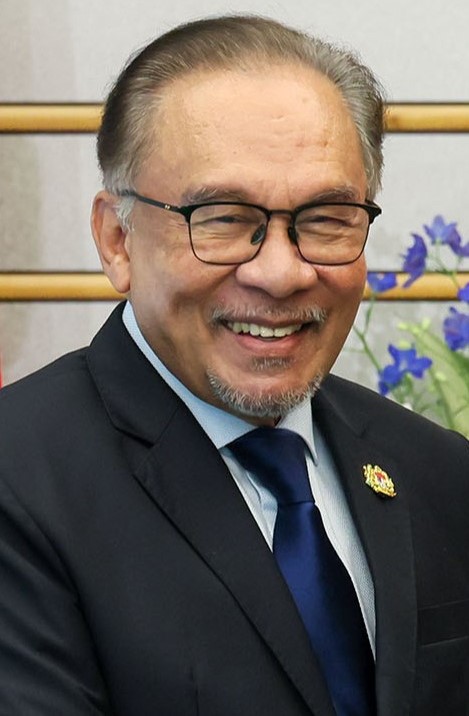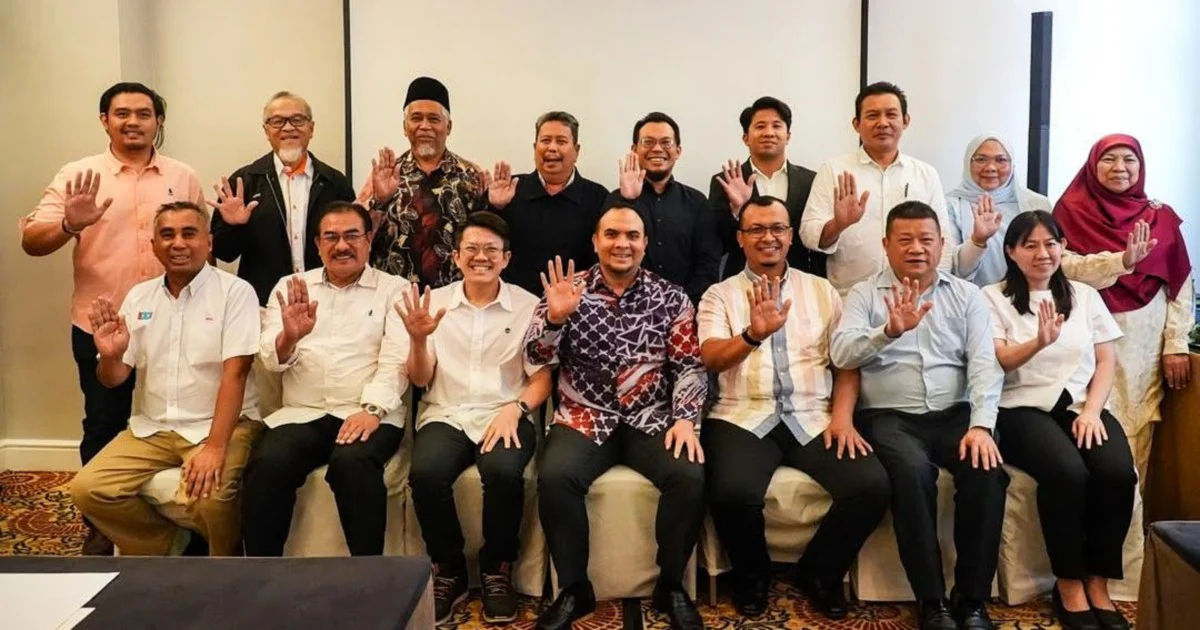
Datuk Ahmad Farhan Fauzi, who serves as political secretary to Prime Minister Datuk Seri Anwar Ibrahim, has taken the helm of Pahang Pakatan Harapan as the state coalition's new chairman. The appointment signals the central leadership's direct involvement in reshaping the coalition's regional structure and underscores the administration's commitment to strengthening PH's footprint in the resource-rich eastern state.
Fauzi's elevation to this strategic position carries considerable weight within Malaysia's political ecosystem. As a trusted aide operating within the Prime Minister's immediate orbit, his appointment suggests that Kuala Lumpur views Pahang as crucial to the coalition's broader electoral calculations and governance strategy. The move reflects patterns typical of Malaysian politics, where proximity to the national leadership often translates into enhanced authority and resource allocation at the state level.
Pahang represents a complex political battleground for PH. The state has historically been a stronghold for other political forces, yet the coalition has worked methodically to expand its influence across the state's multiple constituencies. The appointment of someone with direct access to the Prime Minister's decision-making apparatus indicates renewed urgency in consolidating support among Pahang's approximately 1.8 million residents. This territorial focus aligns with broader national strategies, particularly as Malaysia approaches electoral cycles that will determine the political complexion of various state governments.
The choice of Fauzi specifically merits examination. His background in political management at the federal level equips him with institutional knowledge about coalition dynamics, conflict resolution, and resource mobilization. These competencies prove invaluable in state politics, where managing diverse internal interests while maintaining alignment with national party positions requires considerable finesse. Fauzi's appointment suggests PH leadership believes that bringing such expertise to bear will enhance operational efficiency within Pahang's PH machinery.
This development also illuminates the internal mechanics of Malaysia's political system, where state and federal structures operate in continuous dialogue. The Prime Minister's office frequently uses such appointments to project authority and ensure compliance with federal policy directions. By placing his political secretary in a state leadership position, Anwar Ibrahim effectively extends his influence and ensures that Pahang's PH chapter operates within parameters acceptable to national leadership. This arrangement has proven effective in other Malaysian states where federal-level operatives occupy key state positions.
Pahang's economic significance cannot be overlooked when assessing the importance of this appointment. The state generates substantial revenue through palm oil, mining, tourism, and increasingly renewable energy projects. Control over these sectors and their political implications makes the PH chairmanship in Pahang a consequential post. Fauzi's appointment positions him to influence development policies, infrastructure investments, and business-environment decisions that carry implications far beyond state boundaries, given Pahang's integration with the broader Malaysian economy.
The timing of such appointments often reflects broader political calculations beyond the formal announcement. Leadership transitions typically coincide with organizational reviews, strategic reassessments, or attempts to navigate internal party tensions. Whether the appointment addresses specific challenges within Pahang PH or represents proactive repositioning ahead of anticipated electoral contests remains relevant context for understanding the coalition's current priorities. Malaysian political observers will likely interpret this move as indicating heightened attention to securing Pahang's electoral fortunes.
For Fauzi personally, the appointment represents significant career advancement and expanded portfolio responsibilities. Managing a state-level coalition chapter requires skills distinct from supporting the Prime Minister's office, including deeper engagement with local party structures, grassroots mobilization networks, and community leaders. The transition from federal-level political staff work to state coalition leadership demands adeptness at different political scales and constituency management approaches, though his existing experience clearly prepared him for such elevation.
The broader implications for PH's organizational health deserve consideration. Appointing experienced federal-level operators to state positions can either invigorate struggling state chapters or create tension if local party members perceive outsiders imposing national agendas without adequate consultation. Pahang PH's reception of Fauzi will partly depend on how effectively he balances federal direction with local political sensibilities and whether his leadership generates visible improvements in the coalition's performance in the state.
This appointment also reflects demographic and geographic realities within Malaysia's political landscape. Pahang, with its significant rural populations and traditional support bases, requires leadership capable of bridging urban and rural interests while maintaining coalition cohesion. The selection of someone embedded within the federal government's highest echelon suggests that PH leadership views Pahang as requiring intensive, high-level attention to advance the coalition's competitive position effectively across diverse communities and constituencies throughout the state.