Prime Minister Datuk Seri Anwar Ibrahim's recent diplomatic missions to Kazan, Russia and Ashgabat, Turkmenistan have delivered tangible strategic victories designed to reinforce Malaysia's economic development trajectory and generate sustained advantages for citizens across multiple sectors. The government's communications apparatus has framed these engagements as pivotal moments that will strengthen the nation's energy independence while creating pathways for long-term revenue generation through state-owned enterprises and international partnerships.
During the Kazan leg of his journey, where Anwar attended the 35th ASEAN-Russia Commemorative Summit, Malaysia secured Russia's commitment to supply crude oil, gas and diesel through an extended contractual framework. This arrangement addresses a persistent vulnerability in Malaysia's energy infrastructure—the need for diversified import sources to reduce dependency on traditional suppliers and insulate the economy from regional supply disruptions. The partnership brings particular weight given Malaysia's geographic position as an energy-consuming nation with declining domestic hydrocarbon reserves, a reality that has prompted successive governments to pursue strategic international arrangements to maintain energy affordability and industrial competitiveness.
The Ashgabat component of the diplomatic journey yielded equally significant achievements for PETRONAS, Malaysia's national petroleum corporation. Through its wholly owned subsidiary Petronas Carigali (Turkmenistan) Sdn Bhd, the entity has secured operational rights to develop two substantial gas extraction blocks. This expansion represents a milestone for a company that has maintained a thirty-year operational footprint in Turkmenistan, progressively deepening its involvement in Central Asian energy infrastructure. The development rights position PETRONAS to significantly expand its global gas portfolio at a moment when liquefied natural gas remains critical to global energy markets and energy-dependent economies throughout Asia.
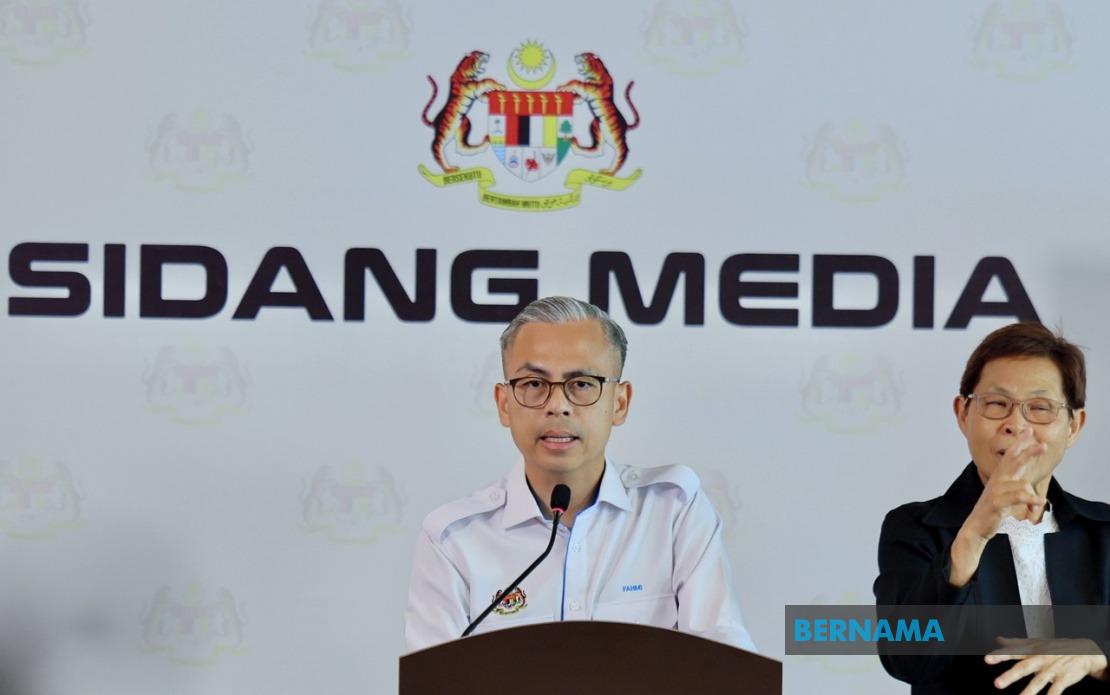
Government spokesperson Datuk Fahmi Fadzil, serving concurrently as Communications Minister, articulated the broader economic implications during a weekly press briefing, emphasising that financial returns from these energy ventures will flow back to Malaysia as corporate dividends channelled into national development initiatives. This mechanism creates a direct connection between international commercial success and domestic resource allocation, allowing energy sector profits to subsidise infrastructure projects, social programmes and fiscal obligations. The speaker also identified both developments as contributing factors to the government's decision to announce a diesel price reduction on June 21, illustrating how external energy security gains translate into tangible consumer benefits affecting transportation costs, agricultural operations and manufacturing expenses across the economy.
The Kazan summit discussions extended beyond crude petroleum to encompass broader cooperation frameworks between Malaysia and Russia spanning energy security architecture, bilateral trade expansion, foreign direct investment attraction, tourism development and technological advancement. This multi-dimensional engagement reflects a strategic pivot toward deepening relationships with non-traditional Asian partners, a approach that complements ASEAN's traditional alignment patterns and creates additional counterbalances within regional geopolitical structures. For Malaysian policymakers, cultivating such partnerships addresses the structural challenge of maintaining economic diversification and avoiding over-concentration of trade, investment and energy relationships within a narrow geographic or political sphere.
The Ashgabat discussions formalised a Framework Agreement on Long-Term Cooperation for the Development of Hydrocarbon Resources between Malaysia's government and Turkmenistan's administration. This architecture establishes institutional mechanisms for sustained collaboration, creating legal scaffolding that extends beyond individual transactions to encompass systematic resource development over multi-decade timeframes. The agreement specifically contemplates potential development of the Galkynysh field, one of Central Asia's most substantial gas reserves, alongside adjacent opportunities in downstream sectors including petroleum refining, gas processing facilities and gas chemical manufacturing. Such downstream engagement promises higher-value-added economic activity compared to raw resource extraction, potentially creating employment opportunities in specialised sectors and stimulating industrial cluster development.
The involvement of Investment, Trade and Industry Minister Datuk Seri Johari Abdul Ghani and Economy Minister Akmal Nasrullah Mohd Nasir alongside the Prime Minister underscored the whole-of-government coordination driving these initiatives, with representation from trade, industrial and economic portfolios signalling comprehensive national interest integration rather than narrowly sectoral concerns. This institutional arrangement reflects recognition that energy security intertwines with industrial policy, fiscal management and trade competitiveness, requiring coordinated governmental action across multiple ministries to maximise strategic advantage and identify spillover benefits.
For Malaysian observers, these diplomatic outcomes arrive during a period of persistent pressure on household budgets and manufacturing cost structures, making energy price stability an acute domestic political concern. The government's capacity to moderate fuel price increases through securing diverse international supply arrangements provides political breathing room while addressing fundamental economic vulnerabilities. The diesel price reduction announcement immediately following these agreements signals the government's intention to demonstrate concrete consumer benefits from diplomatic accomplishments, connecting elite-level international negotiation with everyday economic experience for ordinary Malaysians.
The Central Asian engagement also reflects Malaysia's broader repositioning within global energy markets amid the energy transition. While renewable energy and net-zero commitments dominate policy conversations in developed economies, energy-dependent middle-income nations like Malaysia require sustained natural gas and petroleum access during extended transition periods. Securing long-term agreements with Russia and Turkmenistan positions Malaysia as an active participant in fossil fuel markets while simultaneously advancing international partnerships that will prove essential as the nation navigates inevitable shifts toward lower-carbon energy systems over forthcoming decades.

