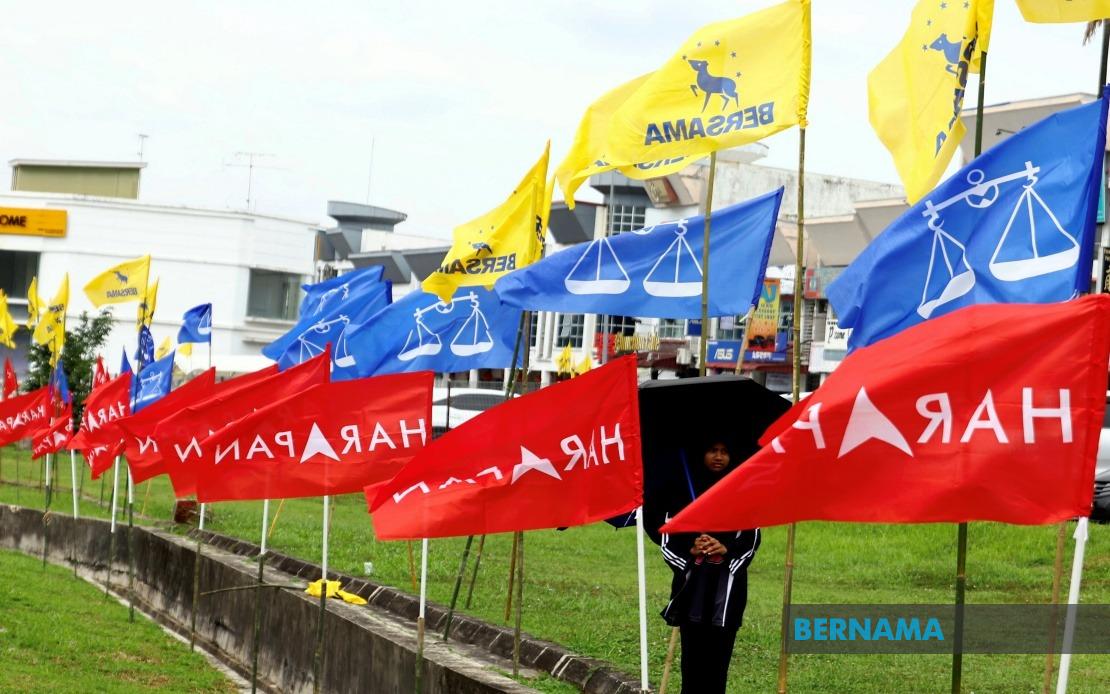
Prime Minister Datuk Seri Anwar Ibrahim has launched a last-minute campaign appeal to residents of Johor ahead of the 16th state election scheduled for Saturday, calling on voters to entrust Pakatan Harapan with the responsibility of governing the state. Speaking in his capacity as PH chairman, Anwar framed the upcoming ballot as a pivotal opportunity for the coalition to demonstrate its ability to deliver on commitments to regional prosperity and development.
With fewer than 72 hours remaining before polling day, Anwar's appeal underscores the competitive nature of the contest and the significance Putrajaya places on securing a mandate in a state that has historically been a political bellwether for Malaysia. The coalition's messaging emphasises continuity and progress, positioning PH as a force capable of building upon existing achievements while charting a new course for Johor's economic and social advancement. The timing of such appeals is strategically important in state-level campaigns, as undecided voters often make final choices in the days immediately preceding an election.
In his Facebook statement, Anwar committed that a PH government in Johor would dedicate itself to safeguarding the state's interests and ensuring that economic gains and development programmes reach all segments of the population. This language reflects broader PH campaign messaging that emphasises inclusive growth and equitable distribution of benefits across communities. The emphasis on protecting Johor's interests carries particular resonance given the state's economic importance to Malaysia, with its manufacturing, port, and tourism sectors representing crucial revenue streams.
The Prime Minister also made a targeted appeal to voters who have relocated from Johor, urging them to return home to cast their ballots and fulfill what he characterised as a civic responsibility. This strategy seeks to mobilise voters who may have migrated to Kuala Lumpur, Selangor, or other regions for employment or education but retain strong emotional and familial ties to Johor. The appeal to diasporic voters reflects recognition that election outcomes often turn on marginal differences in turnout, particularly among younger, mobile populations.
In a subsequent post, Anwar deployed traditional Malaysian literary forms to amplify his message, composing a pantun that echoed themes of heritage, hope, and state progress. The verse references Johor laksa, a culinary symbol of the state's cultural identity, and invokes ancestral legacy while encouraging voters to return home carrying aspirations for Johor's future. The use of pantun—a classical Malay poetic form—represents an attempt to connect with cultural sensibilities and demonstrates political communication strategies that transcend conventional digital messaging in multicultural Malaysia.
The 16th Johor state election presents a fragmented electoral landscape, with 172 candidates contesting 56 state seats across multiple political coalitions and independent candidates. This fragmentation increases the significance of coalition campaigns, as no single party can expect to secure a majority through its own strength alone. The distribution of candidates across the state suggests competitive contests in numerous constituencies, requiring sustained organisational effort and voter mobilisation from all major political players.
For PH, this election carries implications beyond Johor itself. A strong performance would validate the coalition's electoral appeal in a significant East Coast state and provide momentum ahead of potential federal-level political developments. Conversely, a weak showing could signal vulnerabilities in PH's ability to consolidate support in regions where its presence has historically been contested. The coalition faces competition not only from Barisan Nasional but also from Perikatan Nasional and independent candidates, necessitating efficient vote concentration and campaign targeting.
The appeal from Anwar reflects the intensive nature of modern Malaysian electoral competition, where prime ministers actively campaign in state elections to shape electoral outcomes. This involvement signals the stakes involved and the interconnected nature of federal and state politics in Malaysia's Westminster-style system. State governments control education, health, housing, and local economic development within their jurisdictions, making state elections substantive contests with real governance implications for constituents.
For Johor voters, the choice on Saturday will determine the direction of state administration across multiple policy domains. Pakatan Harapan's pitch emphasises its track record in other states where the coalition governs, pointing to examples of policy implementation, infrastructure development, and administrative competence. This comparative approach allows voters to evaluate PH's claims against observable outcomes in other jurisdictions, though regional differences mean that governance performance in other states may not perfectly predict outcomes in Johor.
The final days of campaigning typically witness intensified voter contact by all parties, with ground operations activated to ensure supporters vote and campaigns attempting to sway undecided voters. Anwar's appeals represent the visible component of broader PH mobilisation efforts that include grassroots organising, community engagement, and targeted messaging through digital and traditional media channels. The outcome will reflect not only the effectiveness of such campaigns but also underlying voter preferences regarding economic management, development priorities, and political representation in Malaysia's most industrialised state.

