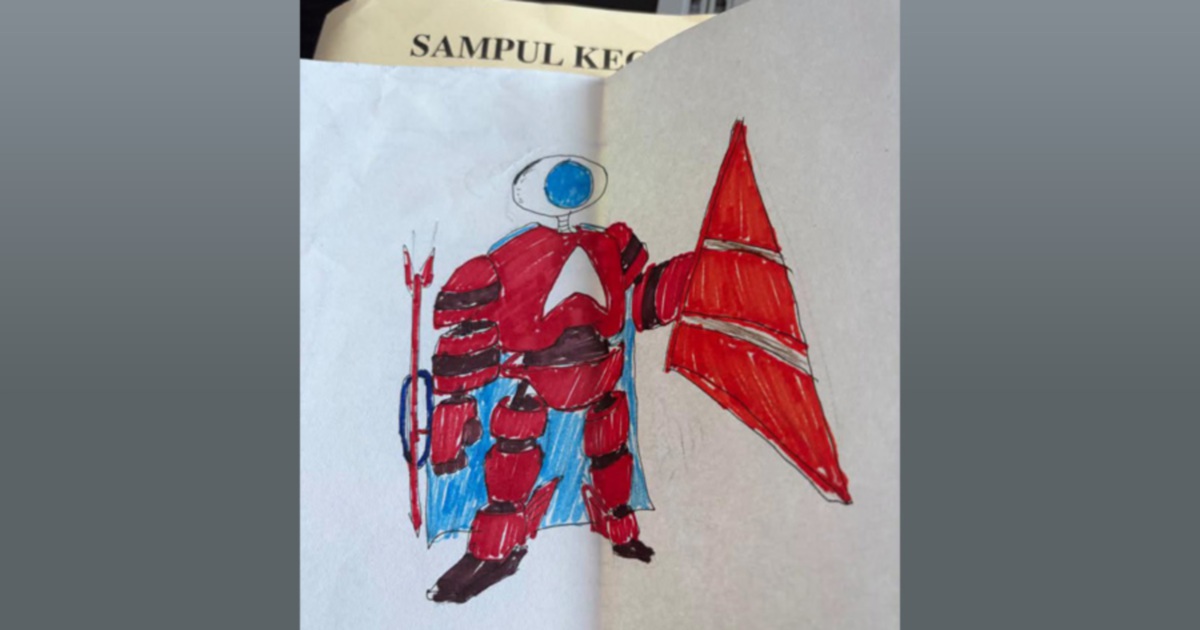
Prime Minister Datuk Seri Anwar Ibrahim has come away from a recent Temu Anwar community engagement programme in Negri Sembilan with a deeply personal memento—a drawing created and presented by a child with special needs. The artwork has taken on significance beyond its artistic value, becoming a treasured reminder of the interaction and the child's thoughtfulness during the public gathering.
The incident highlights the personal dimension of Anwar's ongoing Temu Anwar initiative, which seeks to foster direct engagement between the Prime Minister and Malaysian communities across the country. These sessions have become regular platforms for ordinary citizens to share concerns, ideas, and experiences with the nation's top leadership, breaking down hierarchical barriers that typically separate government officials from the public. The spontaneous gift-giving moment captures the unscripted humanity often found within such mass interaction programmes.
Special needs children and their families frequently find themselves navigating systemic challenges in Malaysia, from access to appropriate educational facilities to social integration and long-term care planning. Public acknowledgement by high-ranking officials of the talents and potential of children with disabilities carries symbolic weight in a society where stigma and misconceptions can still limit opportunities. Anwar's visible appreciation of the artwork sends a subtle but meaningful signal about inclusive attitudes within government circles.
The Temu Anwar programme represents a notable departure from traditional bureaucratic distance, creating spaces where citizens feel empowered to approach decision-makers directly. In Negri Sembilan, the initiative evidently resonated beyond policy discussions, creating moments of genuine human connection. The child's confidence in presenting artwork to the Prime Minister suggests an environment where such interaction was actively encouraged and welcomed, rather than something to be feared or inhibited.
For the child and family involved, the moment likely holds profound personal significance. Recognition from the nation's leader, even in this informal way, can profoundly influence a young person's self-perception and confidence. Families navigating the complexities of raising and supporting a child with special needs often encounter countless micro-rejections and exclusions in everyday life. When such rejection is replaced with warm reception at the highest levels of government, it sends a powerful counter-narrative.
The preservation of such personal gifts by leaders offers insights into their values and priorities. That Anwar has chosen to keep this drawing, rather than it being processed through official channels or lost in the machinery of state, suggests a genuine appreciation for the gesture. Such moments, when documented and shared appropriately, reinforce public perception of accessibility and humanity in leadership.
Malaysia's approach to disability inclusion and special education remains an evolving area of policy and practice. While the country has made legislative progress through frameworks such as the Persons with Disabilities Act 2008, implementation gaps persist in schools, workplaces, and public spaces. Individual moments of recognition and inclusion, while emotionally valuable, also point to the need for systemic improvements in how society accommodates and celebrates the contributions of people with disabilities.
The Temu Anwar format itself merits consideration as a democratic tool. By creating multiple touchpoints across different states and communities, the programme attempts to democratise access to the Prime Minister and central government. While such initiatives cannot replace formal policy review or parliamentary processes, they serve an important function in maintaining perceived responsiveness and connection between government and governed. The incidents that emerge from these sessions—like this drawing—often become small anchors for public trust in leadership.
For Malaysia's special needs community and their advocates, such visible moments of acceptance from national leaders carry ripple effects. When children with disabilities see their peers being welcomed and celebrated in official settings, it normalises their presence in public life. When parents and caregivers witness their children's gifts being genuinely appreciated at the highest levels, it reinforces hope that their children will find acceptance and opportunity in broader society.
The simple act of a child presenting a drawing to a Prime Minister, and that leader choosing to treasure it, embodies principles of equity and dignity that extend far beyond the immediate moment. It reflects an understanding that leadership is not merely about policy formulation or administrative decisions, but about recognising and valuing the humanity and potential in every citizen, regardless of their circumstances or abilities. As Malaysia continues to develop its social infrastructure and inclusive practices, such human moments serve as both inspiration and gentle reminder of the work that remains ahead.

