Pakatan Harapan will formally unveil the names of its candidates contesting in the 16th Negeri Sembilan state election at a ceremony scheduled for Tuesday at Dataran Melang in Kuala Pilah. Prime Minister Anwar Ibrahim, who chairs the coalition, will personally oversee the announcement, marking a significant moment as the federal government's political machinery mobilises for a crucial state-level contest in one of Malaysia's key electoral battlegrounds. The event signals the coalition's readiness to enter the campaign phase following months of internal negotiations to balance seat allocations among its partner parties.
Negeri Sembilan PKR chairman Datuk Seri Aminuddin Harun confirmed that the candidate list has undergone final vetting and received formal approval from the coalition's leadership structures. The deliberate timing of the announcement, just four days before nomination day on July 18, reflects standard electoral practice but also underscores the coalition's confidence in its selections. Party insiders have described the finalisation process as rigorous, with considerations extending beyond factional interests to encompass electability, grassroots support, and demographic representation across the state's diverse constituencies.
The seat distribution represents a carefully negotiated compromise reflecting each coalition partner's relative strength and regional influence. PKR will contest 16 of the 36 state seats, positioning the party as the coalition's primary force in Negeri Sembilan given Anwar's base and the party's organisational presence. DAP, the coalition's dominant urban and Chinese-majority constituency performer, receives 11 seats, primarily concentrated in constituencies with substantial non-Malay populations and traditional opposition strongholds. Amanah, the Islamic-oriented component party, will field candidates in the remaining nine seats, primarily in Malay-majority areas where the party's identity and messaging resonate most effectively.
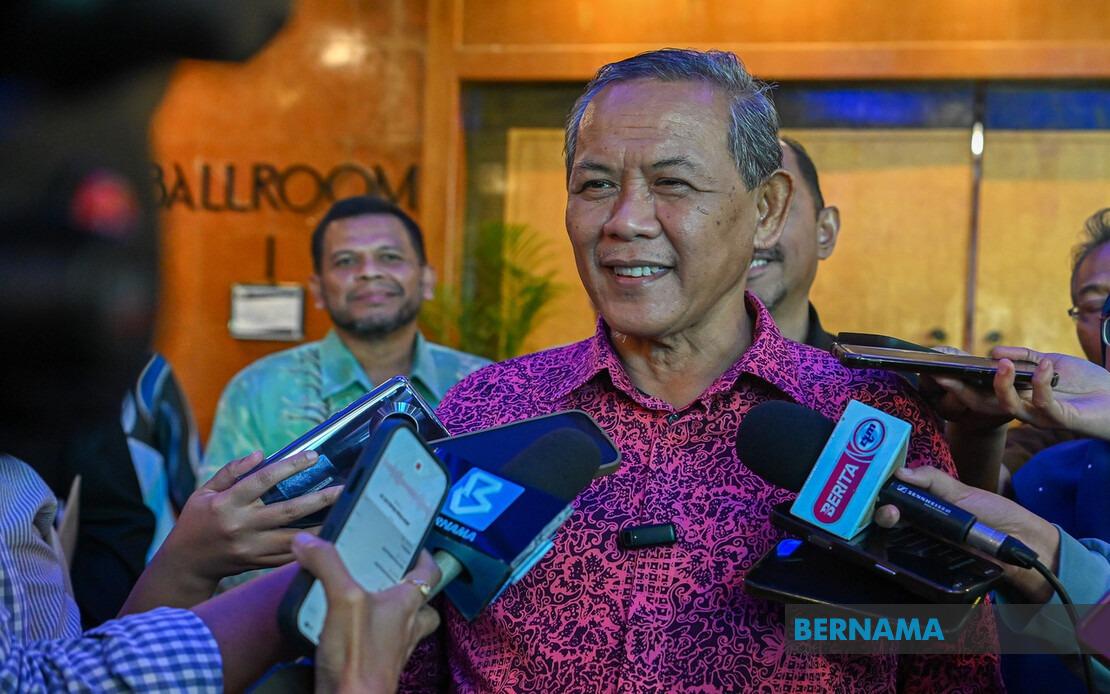
Speculation has swirled around whether Aminuddin, the incumbent Sikamat assemblyman and current Menteri Besar, will seek re-election. His carefully worded non-answer when pressed by reporters—urging patience until the official announcement while maintaining strategic silence on his personal contest—suggests deliberation at senior coalition levels regarding the timing and positioning of his candidacy announcement. As Menteri Besar, his electoral fate carries implications for state governance continuity and the coalition's ability to retain control of the administration if victorious in August.
The electoral timeline compresses considerably over the coming weeks, with all key milestones clustering tightly. After Tuesday's candidate announcement and July 18's nomination day, early voting will occur on July 28, allowing designated voters including security personnel and election officials to cast ballots ahead of the general polling date. August 1 represents the culmination of this compressed schedule, when all 36 state seats will be contested simultaneously. This compressed timeline leaves only two and a half weeks for full campaign deployment, placing premium value on pre-existing grassroots networks and media visibility.
Aminuddin's recent activities underscore the coalition's broader campaign strategy extending beyond candidate nominations. His presentation of Special Grants totalling RM342,000 to 342 Rukun Tetangga units across Negeri Sembilan exemplifies how state administrations can leverage welfare and community engagement mechanisms to build electoral momentum. Such community-level interventions, distributed across the state's villages and neighbourhoods, create multiple touchpoints through which voters encounter the ruling coalition's governance agenda in tangible, localised form.
The Negeri Sembilan state election assumes particular significance within Malaysia's broader political landscape. The state represents a crucial testing ground for Pakatan Harapan's ability to maintain electoral momentum after the federal government's formation and consolidation over the past two years. State-level contests often serve as referendums on federal government performance, and results here will signal whether voters reward or penalise Anwar Ibrahim's administration for its economic management, anti-corruption efforts, and governance record. The coalition cannot afford complacency or territorial loss in a state where it currently holds the administration.
The opposition coalition's counter-strategy remains largely opaque at this stage, though Barisan Nasional and other non-PH formations will field competing candidates across the 36 constituencies. How effectively opposition parties mobilise their own candidates and campaign machinery will significantly influence final results. Traditionally, Negeri Sembilan has been competitive between ruling and opposition blocs, with voter sentiment responsive to national political currents and state-specific development grievances.
For Malaysian political observers and regional analysts, Tuesday's announcement ceremony will provide first opportunities to assess coalition unity and candidate quality through public presentations and media reaction. The breadth and diversity of candidate profiles—encompassing incumbent assemblymen, grassroots activists, and new faces—will signal whether Pakatan Harapan is refreshing its political cadre or consolidating existing power structures. The visible endorsement and framing by Prime Minister Anwar Ibrahim personally adds federal executive weight to the state-level exercise, emphasising the federal government's stake in Negeri Sembilan's governance trajectory.
Looking ahead to the campaign period and August voting, Negeri Sembilan will demonstrate whether Pakatan Harapan can sustain the electoral coalition dynamics that enabled federal government formation in 2022. The coalition's ability to retain state control while expanding or maintaining seat counts will influence national political momentum and shape perceptions of government resilience ahead of potential future federal elections. Tuesday's ceremony thus functions as opening act for a contest with ramifications extending well beyond Seremban's corridors.

