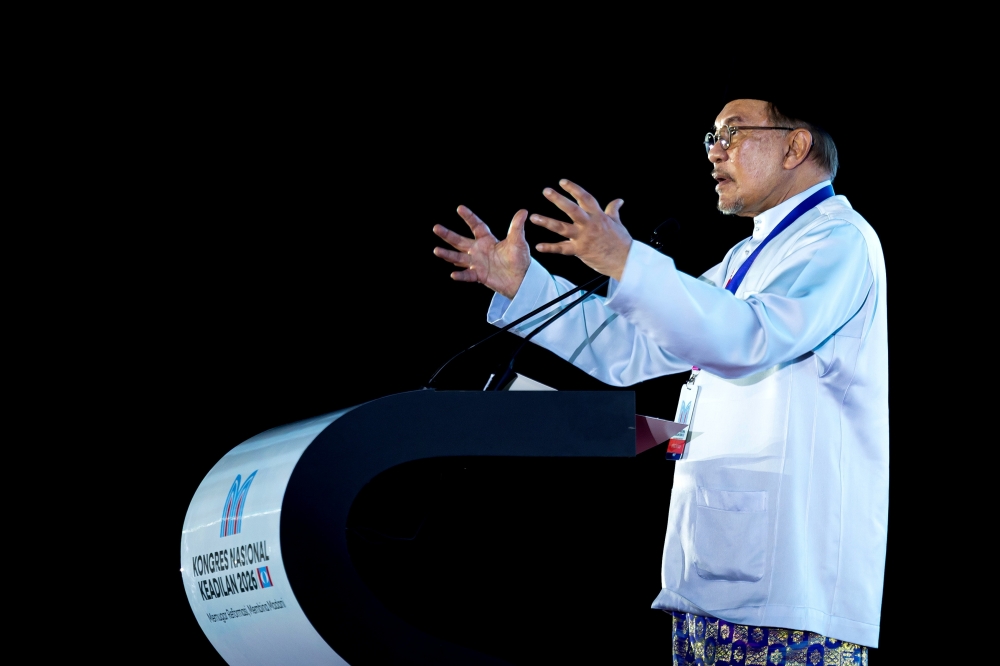
Prime Minister Datuk Seri Anwar Ibrahim has indicated that the government will roll out several critical policy modifications in the coming days, with initial announcements scheduled for Monday. Speaking in Melaka on August 15, Anwar underscored the urgency of these measures, suggesting they form part of a broader strategic repositioning ahead of the 2027 Budget framework. The timing of these announcements reflects the government's desire to signal direction to markets and stakeholders before formally presenting its fiscal and economic plans.
The Prime Minister's comments represent a deliberate effort to build anticipation and set expectations across multiple sectors of the Malaysian economy. By telegraphing major changes before their formal announcement, the government aims to allow businesses, civil society, and international observers time to understand the rationale and prepare for implementation. This approach contrasts with sudden policy reversals, which can create market volatility and uncertainty. The sequential nature of the announcements—beginning Monday—suggests a carefully orchestrated rollout rather than ad-hoc decision-making.
For Malaysian businesses and investors, these signals carry considerable significance. Policy changes announced at the prime ministerial level typically indicate shifts in government priorities across taxation, regulation, investment incentives, or labour standards. Companies operating across retail, manufacturing, services, and technology sectors will be closely monitoring the Monday announcements to assess potential impacts on operating costs, compliance requirements, and competitive dynamics. Foreign investors, particularly those evaluating long-term commitments to Malaysia as a regional hub, will interpret these changes as indicative of broader economic direction.
The 2027 Budget represents a major fiscal statement that will shape government spending, revenue collection, and economic priorities for the coming year. By introducing policy changes beforehand, the government establishes a foundation upon which the Budget's allocations and tax measures can logically build. This sequencing allows officials to explain how specific policy reforms align with budgetary resources and long-term development goals. It also provides parliament and the public with time to digest proposed changes before detailed Budget documentation arrives.
Anwar's emphasis on urgency suggests these are not incremental adjustments but substantive reforms requiring prompt attention. The language of "urgent changes" typically signals that the government perceives current conditions as requiring swift recalibration. This may reflect economic pressures—whether related to inflation, currency movements, or growth concerns—or alternatively, political imperatives to demonstrate forward momentum and responsiveness to public concerns. The distinction between these drivers will become clearer once specific policies are unveiled.
From a Southeast Asian perspective, Malaysian policy changes carry regional implications. As one of the region's more developed economies and a key member of ASEAN, shifts in Malaysia's economic approach can influence regional investment patterns, trade dynamics, and policy mimicry among neighbouring countries. Reforms affecting foreign direct investment, labour mobility, or trade facilitation may prompt reactions from regional competitors and partners. Similarly, changes to fiscal or monetary frameworks signal Malaysia's position on managing regional economic integration and competition.
The opposition and civil society organisations will scrutinise these announcements carefully, assessing whether they align with manifesto commitments and stated priorities. Political parties will evaluate whether the changes strengthen or weaken their electoral positioning ahead of the next general election. Social organisations focused on environmental, labour, or consumer protection will examine whether reforms address longstanding concerns or potentially roll back existing safeguards. The Monday announcements will thus serve as a political barometer of government intent.
For public sector employees and pensioners, policy changes announced at this level may have direct implications for compensation frameworks, benefit schemes, or organisational structures. Government-linked companies and statutory bodies often adjust operations based on signals from the Prime Minister's office. Unions and workforce representatives will likely wait for detailed policy documents before issuing formal responses, but preliminary reactions may begin circulating based on initial announcements.
The announcement strategy itself reflects modern political communication, wherein governments use staged reveals to maintain media attention and shape narrative framing. By promising Monday announcements and discussing broader changes beforehand, Anwar's office extends coverage across multiple news cycles and creates engagement opportunities. This contrasts with single, comprehensive policy releases that may struggle for attention amid competing stories. The approach also allows the government to adjust communication emphasis based on initial public and market reactions.
Malaysian households may experience indirect effects from these policy changes through adjustments to consumer prices, employment opportunities, utility costs, or social programme benefits. Changes affecting taxation, subsidies, or regulatory environments often ripple through to household finances within months. The August timing of these announcements means changes could take effect during the final quarter of 2024 or early 2025, influencing economic conditions heading into the 2027 Budget period.
Regional economists and international rating agencies monitoring Malaysia's economic trajectory will incorporate these policy signals into their assessments of fiscal discipline, structural reform progress, and governance quality. Rating decisions and economic outlooks can influence Malaysia's borrowing costs and investment classifications. Positive reception of announced changes could support the ringgit and reduce risk premiums on Malaysian securities, while concerns about policy coherence could have inverse effects.
Parliamentary debate will likely feature prominently once detailed policy proposals arrive. Opposition members will seek to extract commitments regarding implementation timelines, funding mechanisms, and oversight arrangements. Government backbenchers may signal support while raising constituency-specific concerns. Parliamentary committees may schedule hearings with relevant ministers to examine implications for specific sectors or population groups.
The coming week thus represents a pivotal moment for Malaysian economic and political discourse. By Monday evening, policy direction will become substantially clearer, allowing stakeholders across government, business, labour, civil society, and international communities to begin detailed analysis and response formulation. The true test of these changes will emerge through implementation and economic outcomes over subsequent months.

