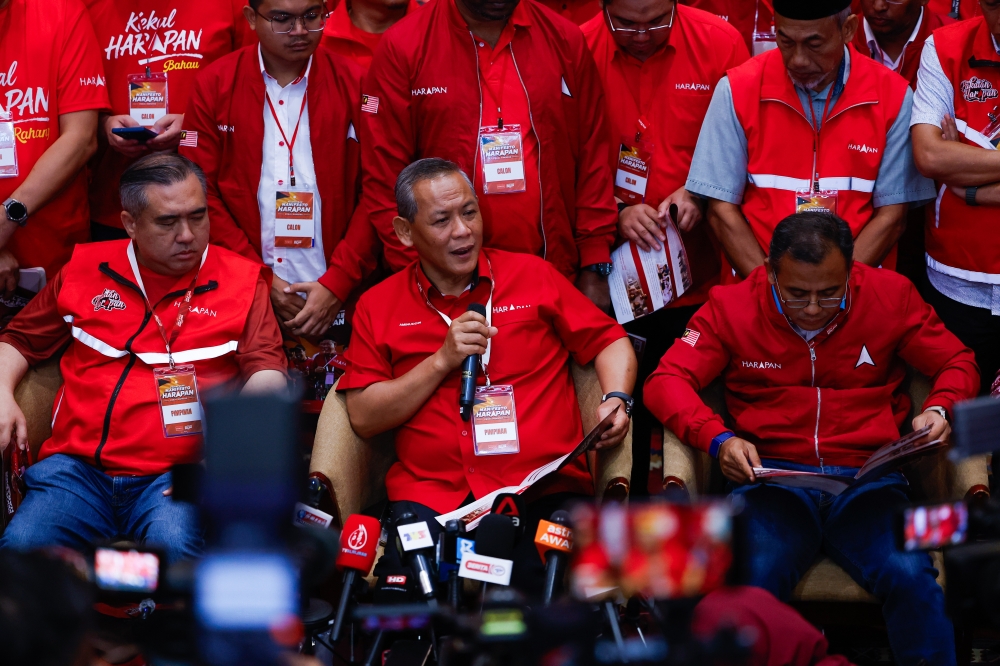
Prime Minister Datuk Seri Anwar Ibrahim is set to bolster Pakatan Harapan's election machinery in Negeri Sembilan this Wednesday, marking a significant show of force by the federal leadership in the state campaign. Negeri Sembilan Menteri Besar Aminuddin Harun confirmed the Prime Minister's attendance, underscoring the coalition's determination to consolidate support across the crucial east-coast state.
The visit represents a carefully choreographed deployment of Anwar's political capital into a battleground where Pakatan has faced mounting pressure from rival coalitions. Negeri Sembilan occupies strategic importance within Malaysia's electoral landscape, serving as a bellwether for broader political sentiment in the peninsula's southern corridor. By physically appearing alongside party machinery and local candidates, Anwar signals that the federal government views the state as a priority arena requiring top-level intervention.
Packatan Harapan's decision to stage this campaign event comes amid intensifying competition across multiple state constituencies. The coalition has invested considerable effort in building grassroots infrastructure throughout Negeri Sembilan, recognising that fragmentation of the opposition vote presents both opportunity and risk. Anwar's presence serves a dual purpose: energising the party faithful whilst projecting an image of a Prime Minister actively engaged in consolidating his political coalition's territorial hold.
The timing of Wednesday's campaign appearance reflects broader strategic calculations within Pakatan's political calendar. State-level campaigns have grown increasingly important to federal coalition dynamics, as local contests often foreshadow shifting voter preferences ahead of national elections. Negeri Sembilan's competitive political environment, where multiple coalitions contend for dominance, makes it essential terrain for Pakatan to defend and expand.
Aminuddin's public confirmation of Anwar's attendance carries tactical messaging beyond the immediate campaign event. It demonstrates cohesion between federal and state-level Pakatan leadership, a crucial signal when internal coalition tensions occasionally surface. The Menteri Besar's readiness to highlight the Prime Minister's engagement suggests confidence in the campaign trajectory within his jurisdiction and willingness to leverage Anwar's national standing for local political advantage.
Negeri Sembilan's political composition has shifted considerably over recent electoral cycles, reflecting the state's role as contested middle ground between competing national coalitions. Urban areas within the state, particularly around administrative centres and commercial hubs, have shown openness to Pakatan's messaging, whilst rural constituencies maintain more traditional voting patterns. Anwar's campaign visit likely targets both demographics through carefully planned constituency stops and rallies designed to maximise media reach.
For Malaysian observers monitoring coalition stability, Anwar's active participation in regional campaigns underscores his continued strategic direction of Pakatan's electoral strategy. The Prime Minister has made significant personal investment in nurturing party unity and electoral readiness, recognising that the coalition's durability depends substantially upon delivering concrete results in state-level contests. Negeri Sembilan's campaign represents one component of this broader effort to demonstrate that Pakatan remains capable of governing effectively at multiple levels.
The broader Southeast Asian context also influences Pakatan's campaign intensity. Regional political developments have elevated importance of domestic coalition management, as Malaysia's government positions itself within evolving ASEAN political dynamics. Maintaining internal coalition cohesion through successful electoral performances in states like Negeri Sembilan contributes to the stability and predictability that international partners value in Malaysian governance.
Anwar's Wednesday campaign engagement also reflects evolving expectations regarding prime ministerial involvement in electoral processes. Contemporary Malaysian political culture increasingly expects federal leaders to demonstrate personal commitment to coalition campaigns, stepping beyond symbolic roles into substantive campaign participation. This expectation has intensified under Anwar's premiership, with supporters viewing direct presidential-style engagement as validating voter choices and local political efforts.
Moving forward, the success of this and similar campaign events will substantially influence Pakatan's confidence heading into subsequent electoral contests. Negeri Sembilan's outcome carries symbolic weight extending well beyond the state's parliamentary representation, functioning as a referendum on federal coalition management and public acceptance of Anwar-led governance. The Prime Minister's willingness to invest personal political capital in the campaign suggests coalition leadership views the stakes as sufficiently high to warrant such engagement.

