Prime Minister Datuk Seri Anwar Ibrahim is set to join Pakatan Harapan's campaign efforts in Negeri Sembilan this Wednesday, focusing on key constituencies as the coalition intensifies its push towards the 16th state election. The timing of his appearance underscores the strategic importance that federal leadership places on retaining power in the southern Klang Valley state, a traditional PH stronghold that has become increasingly competitive in recent political cycles.
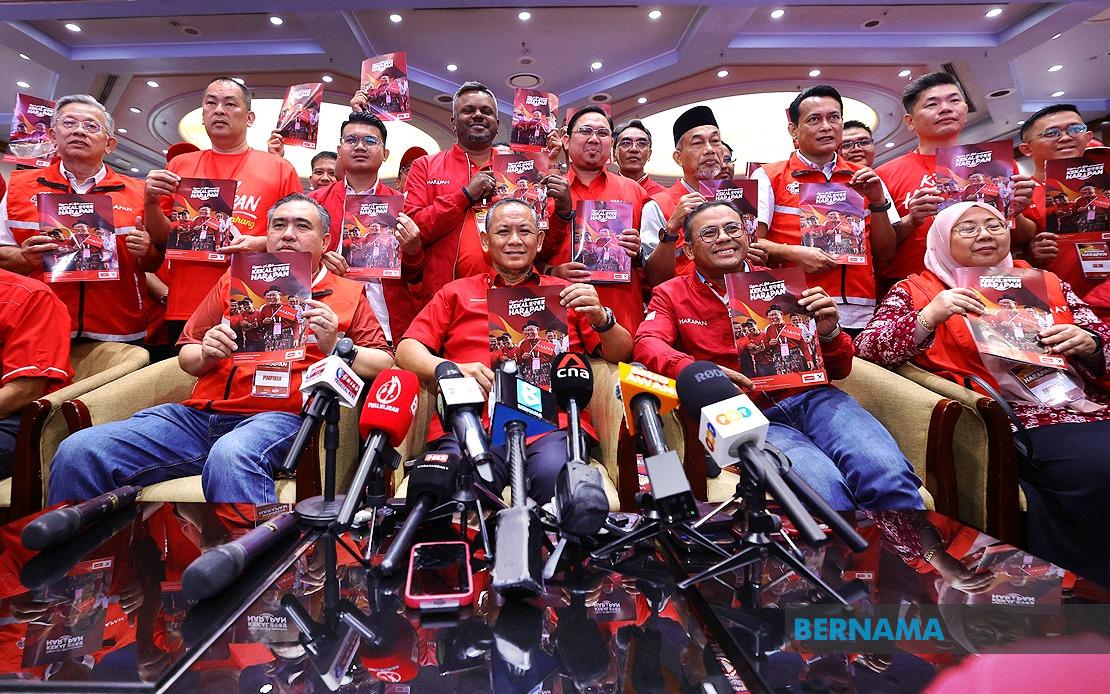
Packatan Harapan's Negeri Sembilan chairman Datuk Seri Aminuddin Harun confirmed during the party manifesto launch in Seremban on July 20 that the Prime Minister would participate in multiple campaign events scheduled for Wednesday in the constituencies of Sikamat and Paroi. These locations represent critical battlegrounds where the coalition hopes to mobilise voter support in the final weeks before polling day. The announcement came as clarification following Anwar's absence from the evening's manifesto launch ceremony, an event that had sparked speculation about PH's internal campaign coordination.
Aminuddin, who is contesting the Linggi seat, sought to downplay the significance of the Prime Minister's non-appearance at the manifesto launch, framing it as a scheduling matter rather than any indication of discord within the coalition. His statement reflects the careful messaging required to maintain party unity and project voter confidence during the crucial pre-election period. The explanation also underscores the pragmatic reality that even in a coalition led by the Prime Minister, campaign logistics often dictate which events senior figures can physically attend.
The Negeri Sembilan manifesto unveiled on July 20 presents Pakatan Harapan's vision across eight interconnected policy pillars. Administrative stability and fiscal management feature prominently alongside commitments to improve public welfare and living standards for residents. Economic competitiveness receives dedicated attention, reflecting concerns about Negeri Sembilan's industrial base and employment landscape in an era of regional manufacturing competition. The coalition's education platform promises to strengthen schools and vocational training, addressing demographic shifts and skills gaps that have affected opportunities for younger voters.
Housing policy occupies a central position in the manifesto, signalling PH's understanding that property affordability remains a pressing grievance across Malaysia's middle and lower-income demographics. Youth development initiatives are designed to counter opposition narratives about limited economic mobility for Gen Z voters, while dedicated sections on women and family empowerment reflect broader coalition efforts to consolidate support among female voters and households headed by women. These demographic-focused planks represent increasingly essential components of electoral strategy as political competition intensifies at the state level.
Tourism and customary heritage preservation appear together in the manifesto, reflecting Negeri Sembilan's unique position as a state with significant Minangkabau cultural elements and growing eco-tourism potential. Modern agricultural development provisions signal PH's intent to support rural livelihoods through mechanisation and value-added production, addressing frustrations among farming communities. Strategic infrastructure commitments promise improved connectivity and transport networks, while social unity and harmony messaging attempts to frame the coalition as a stabilising force capable of managing Negeri Sembilan's diverse religious and ethnic composition.
The campaign event brings together senior leadership from across Pakatan Harapan's constituent parties. DAP secretary-general and Chennah seat candidate Anthony Loke, Selangor Menteri Besar and PH election director Datuk Seri Amirudin Shari, PKR secretary-general Datuk Dr Fuziah Salleh, and Amanah vice-president Datuk Dr Mohd Hatta Md Ramli all participated in the manifesto launch. This multi-party presence demonstrates the coalition's attempt to present a unified front, though the relative prominence given to different leaders often signals internal power dynamics and the weight each faction carries within PH's decision-making structures.
The electoral timeline adds urgency to these campaign activities. Early voting is scheduled for July 28, meaning campaign efforts have less than a week to reach fence-sitting voters before advance polling begins. The main polling day on August 1 will ultimately determine whether Pakatan Harapan can maintain its grip on state power or whether opposition forces succeed in dislodging the coalition that swept to victory in the 2018 General Election. For Malaysian political observers, Negeri Sembilan's results often carry disproportionate significance as an early indicator of broader shifts in voter sentiment.
Anwar's participation in Wednesday's events holds particular symbolic weight given his role as Prime Minister and PH chairman. His presence serves to elevate campaign morale among party workers and candidates while sending a direct message to voters that federal leadership remains invested in the state election outcome. In Malaysian electoral politics, prime ministerial campaign visits tend to be carefully calibrated to maximise media coverage and demonstrate government accessibility to regional constituencies. The decision to campaign in Sikamat and Paroi suggests these constituencies are either competitive or harbour particular concerns requiring direct federal attention.
For Negeri Sembilan residents, the campaign period represents an opportunity to engage with political leaders on issues ranging from healthcare access to employment prospects to community safety. The manifesto launch and subsequent campaign events will be scrutinised not just for rhetoric but for specificity of policy proposals and credibility of implementation timelines. Voters have increasingly demanded concrete details rather than aspirational statements, reflecting growing political sophistication and reduced tolerance for vague electoral promises. How effectively Pakatan Harapan translates its manifesto commitments into tangible campaign messaging will significantly influence the final result.
The state election carries implications extending beyond Negeri Sembilan's borders. A decisive PH victory would strengthen Anwar's position within the coalition and potentially invigorate federal-level politics. Conversely, a narrow victory or loss could embolden opposition voices and complicate PH's internal dynamics ahead of the next general election. Regional observers will be watching closely to assess whether the coalition's current political positioning translates into continued electoral success or whether the opposition has successfully rebuilt its appeal in states traditionally considered coalition strongholds.

