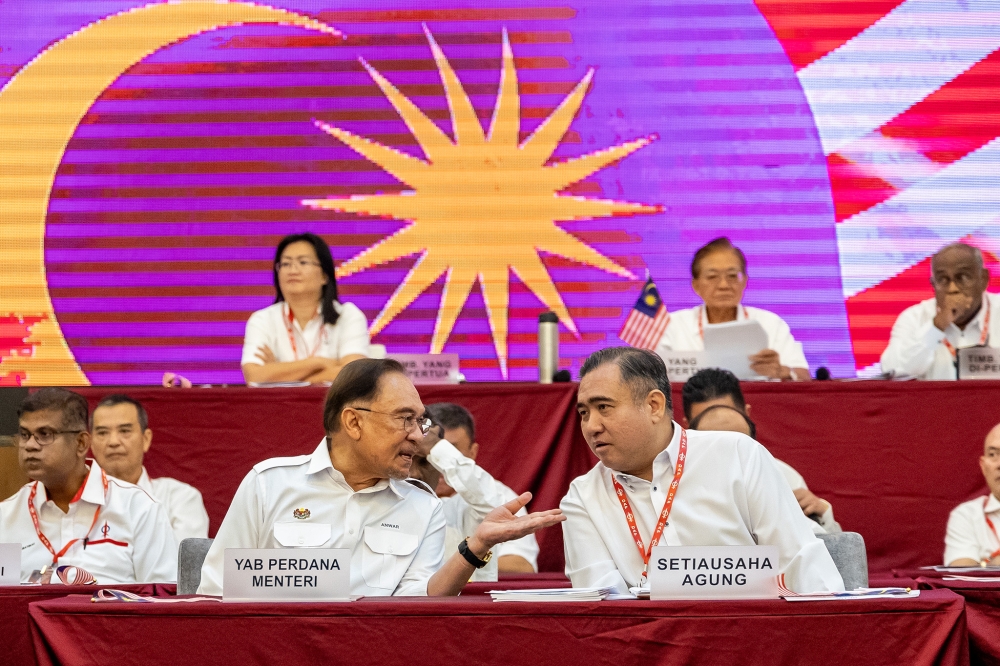
Prime Minister Datuk Seri Anwar Ibrahim made a direct appeal to the Melaka Democratic Action Party on July 14, asking the party to reconsider its controversial decision to exit the state government and requesting that it remain engaged in the coalition administration through to the next state election. Speaking in Port Dickson, Anwar emphasized the importance of DAP's continued participation in steering Melaka's governance, signalling that the federal government views the party's withdrawal as premature and potentially destabilizing to the ruling coalition's strength in the state.
The Melaka DAP's announcement to quit the state government had created ripples across Malaysia's political landscape, threatening the stability of the multiethnic coalition that has governed the state since the 2022 state elections. Anwar's intervention reflects the delicate political mathematics at play in Melaka, where the coalition's narrow majority depends on maintaining unity among its component parties. The Prime Minister's direct engagement on the matter underscores how seriously the federal administration views internal dissent within the ruling coalition at the state level, particularly in a state as politically significant as Melaka.
Anwar's position carries particular weight given his role as both Prime Minister and chairman of the Pakatan Harapan coalition that includes DAP. His appeal to the Melaka chapter attempts to bridge the apparent disconnect between the party's national leadership and its state-level grievances. The timing of his intervention—before DAP's withdrawal took full effect—suggests a coordinated effort to prevent further erosion of coalition unity ahead of potential state-level elections. This kind of behind-the-scenes pressure from federal leadership is a standard mechanism for managing coalition tensions in Malaysia's complex political ecosystem.
The Melaka DAP's decision to withdraw from the state government had been attributed to growing frustration over resource allocation, decision-making processes, and what the party viewed as insufficient influence in state policies. These disputes between coalition partners over executive power and ministerial portfolios are common in Malaysia's multiparty governments, where balancing the interests of multiple parties with different ideological bases remains an ongoing challenge. The fact that DAP felt compelled to take such a dramatic step suggests that earlier mechanisms for resolving intra-coalition disputes had broken down.
For Malaysian readers, this political drama illustrates the inherent tensions within broader coalition governance. When parties representing different constituencies and interests attempt to govern together, friction inevitably emerges over resource distribution and policy direction. The question of whether Anwar's intervention will succeed hinges on whether he can address DAP's underlying concerns about adequate representation in state administration. Reversing withdrawal decisions requires more than appeals; it demands concrete commitments to address grievances.
Melaka holds strategic importance in Malaysia's political geography, having emerged as a testing ground for coalition politics following the 2022 elections. The state government's stability affects not only local development but also the broader credibility of Pakatan Harapan's ability to manage its diverse membership. An exodus by one of the coalition's core components would signal weakness and invite challenges from rival blocs attempting to poach coalition partners through better incentives. This explains why Anwar intervened personally rather than leaving the matter to routine party negotiations.
The Prime Minister's call for DAP to continue working until the next election frames the issue as one of democratic process and proper sequencing. Rather than allowing mid-term defections that disrupt voter mandates, Anwar argues that parties should honour their electoral commitments and let voters ultimately judge their performance. This reasoning appeals to procedural legitimacy, though it may ring hollow to DAP members who feel their party has already compromised enough through the difficult work of coalition governance.
Southeast Asian observers often note that Malaysian coalition politics operate under unique pressures created by the country's multiethnic composition and complex federal arrangements. Parties must simultaneously serve their core constituencies while participating in ethnically and ideologically diverse governing coalitions. This creates constant tension between party-specific interests and coalition-wide objectives. The Melaka situation exemplifies these structural pressures playing out in real time, with no easy resolution available.
The broader implications for Malaysian governance extend beyond Melaka. If DAP's withdrawal succeeds despite federal pressure, other coalition partners facing similar frustrations may interpret this as opening a door to their own exits. Conversely, if Anwar persuades DAP to stay by offering substantive concessions, such deals set precedents for how coalition grievances get resolved. Either outcome shapes future coalition dynamics across Malaysian politics.
Anwar's appeal also reflects his position as someone invested in coalition stability. Having rebuilt Pakatan Harapan into a viable national force, he has every incentive to prevent its fragmentation. The party structure that brought him to office depends on maintaining the coalition's institutional coherence, making his personal intervention in the Melaka dispute a matter of political self-interest as much as national governance concerns.
The Melaka DAP faces a genuine dilemma. Accepting Anwar's appeal requires trusting that the federal leadership will subsequently address their grievances through better resource allocation or enhanced decision-making powers. Conversely, proceeding with withdrawal risks isolating the party and inviting replacement by political opponents within the coalition. This bind reveals how coalition governance limits the freedom of individual parties to pursue their interests, creating frustration that periodically erupts into threats of withdrawal.

