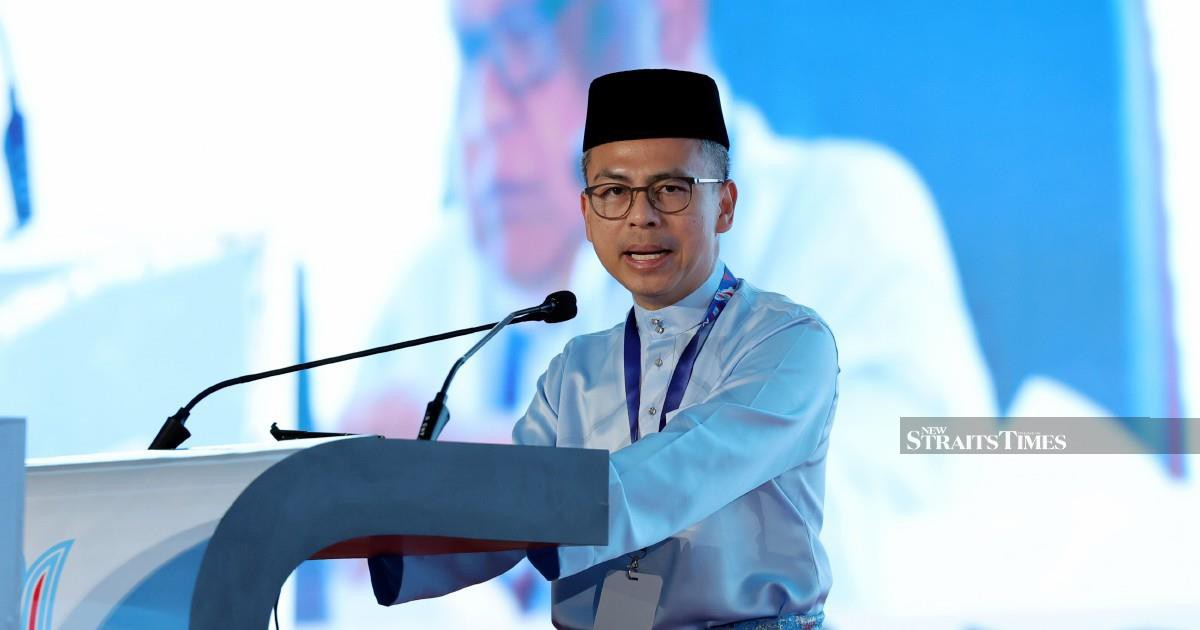
Prime Minister Datuk Seri Anwar Ibrahim is positioned to deliver fresh announcements in the coming days, according to signals from his party leadership. Speaking at Ayer Keroh, PKR information chief Datuk Seri Fahmi Fadzil indicated that multiple declarations could materialise as early as tomorrow, suggesting an accelerated pace of government communications and policy rollouts.
The hints from Fahmi point to a phase of intensified activity within the Prime Minister's office, though the specific nature of the anticipated announcements remains undisclosed. This pattern of staggered disclosures often accompanies major policy shifts, cabinet resets, or responses to pressing national concerns that require coordinated messaging across government departments.
Fahmi's remarks carry particular weight given his role as the official information disseminator for Pakatan Rakyat, the ruling coalition led by Anwar's PKR party. His position places him at the intersection of party strategy and government communications, making his statements a reliable barometer of imminent policy activity. The timing of such hints typically precedes announcements of administrative changes, economic initiatives, or legislative proposals requiring public briefing.
In the Malaysian political context, the frequency and timing of Prime Minister announcements often correlate with the legislative calendar, cabinet performance reviews, or responses to emerging challenges in the economic or security landscape. Multiple announcements clustered within a short timeframe can signal either a coordinated reform initiative or attempts to reshape the government's public narrative during a critical period.
Anwar's tenure has been characterised by regular policy pronouncements addressing investment incentives, infrastructure projects, and institutional reforms. The prospect of fresh announcements aligns with his administration's pattern of proactive communication, particularly when addressing economic concerns or demonstrating progress on governance priorities identified during campaign promises.
The Malaysian business and investor community typically monitors such signals closely, as government announcements frequently contain details relevant to trade policies, foreign direct investment frameworks, or regulatory modifications affecting corporate operations. The timing suggested by Fahmi—potentially within 24 hours—indicates matters deemed sufficiently urgent or strategically important to warrant rapid dissemination.
Regional observers and Southeast Asian stakeholders also track Malaysian government announcements carefully, particularly those emanating from the Prime Minister's office. Anwar's statements on economic cooperation, regional diplomatic initiatives, or ASEAN-related matters carry implications extending beyond Malaysia's borders, influencing investor sentiment and regional political dynamics across the broader subregion.
The pattern of using party information officials to signal upcoming announcements serves multiple functions within Malaysian governance. It manages media expectations, allows time for institutional preparation, and enables government ministries to align their communications strategies before formal declarations. This coordinated approach reduces the risk of miscommunication and ensures consistent messaging across the administration.
For Malaysian citizens and policy observers, the frequency of Prime Minister announcements provides windows into government priorities and the pace of executive decision-making. The suggestion that multiple announcements may arrive within hours indicates that Anwar's administration considers multiple matters simultaneously requiring public attention, whether relating to domestic economic management, institutional reforms, or international relations.
The communications strategy reflected in Fahmi's statement demonstrates how contemporary Malaysian politics increasingly relies on managed information flows and coordinated messaging. Rather than surprise announcements, the government now typically signals forthcoming declarations through trusted intermediaries, allowing stakeholders time to prepare responses and media outlets to arrange coverage accordingly.
Given the responsibility placed upon Fahmi as information chief, his comments warrant close attention from political analysts, business leaders, and media observers. The substance of upcoming announcements will determine whether they represent routine policy adjustments or more significant shifts in government direction requiring careful interpretation and analysis regarding their implications for Malaysian society and the regional environment.

