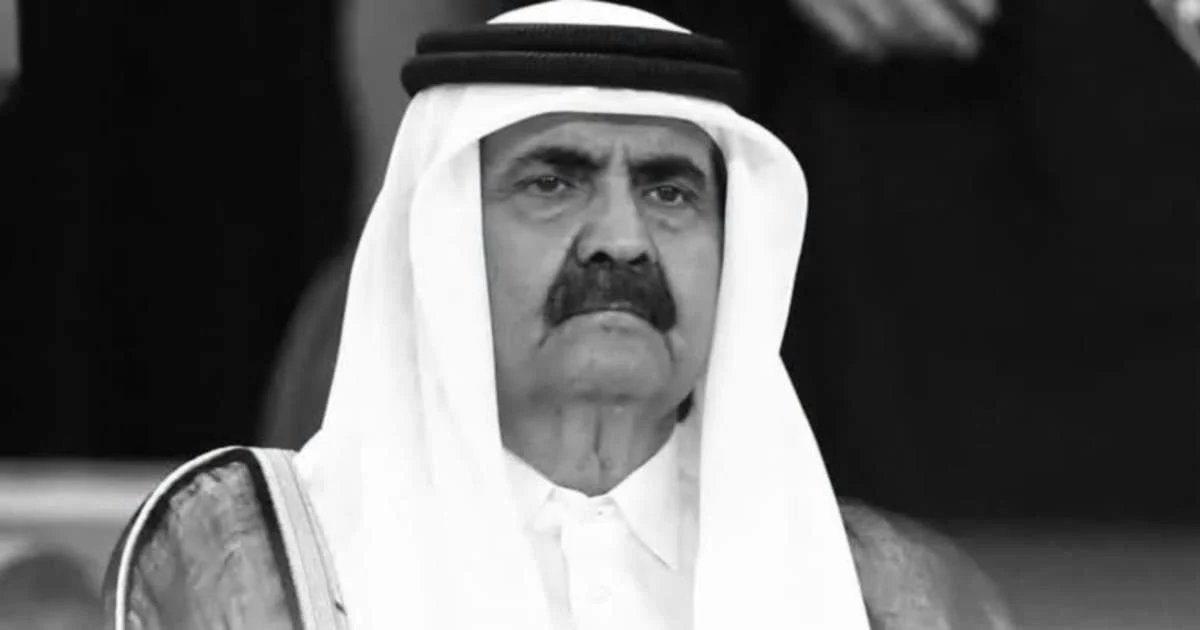
Prime Minister Datuk Seri Anwar Ibrahim has formally conveyed Malaysia's heartfelt condolences to the leadership and citizens of Qatar in the wake of the passing of Sheikh Hamad bin Khalifa Al Thani, the Gulf nation's former emir, who died at the age of 74. The expression of sympathy represents Malaysia's commitment to maintaining strong diplomatic ties with one of the region's most influential petroleum-rich monarchies.
Sheikh Hamad bin Khalifa Al Thani served as Qatar's ruler for nearly two decades, presiding over a transformative period in the nation's history that witnessed unprecedented economic expansion and increased global prominence. His tenure, which spanned from 1995 to 2013, coincided with the discovery and commercialisation of vast natural gas reserves, fundamentally reshaping Qatar's economic landscape and elevating its standing in international affairs. The former emir's leadership proved instrumental in establishing Qatar as a major player in global energy markets and regional geopolitics.
The passing of Sheikh Hamad bin Khalifa Al Thani carries significant implications for Malaysian-Qatari relations, which have deepened considerably over recent years. Qatar has emerged as a crucial economic partner for Malaysia, particularly in areas of investment, trade, and energy cooperation. The Gulf state's substantial sovereign wealth funds have supported infrastructure projects across Southeast Asia, and Malaysia has benefited from Qatari financial engagement in various economic sectors. The condolences extended by the Prime Minister underscore the strategic importance Malaysia places on its relationship with the Gulf monarchy.
Qatar's influence extends well beyond its borders, reflecting its disproportionate geopolitical influence given its modest size. Under Sheikh Hamad bin Khalifa Al Thani's stewardship, the country established Al Jazeera, the influential news network that reshaped global media, and positioned itself as a mediator in regional disputes. The nation also invested heavily in sports and cultural initiatives, most notably securing and preparing to host the FIFA World Cup—an unprecedented achievement for the Middle Eastern region. These developments transformed public perceptions of Qatar globally and cemented its role as a progressive Gulf state.
The transition following a senior leader's death often prompts reflection on succession and continuity. In Qatar's case, the current Emir, Sheikh Tamim bin Hamad Al Thani, who assumed office in 2013 when his father stepped down, has continued many of his predecessor's strategic initiatives while charting his own course. The stability of Qatar's governance structure provides reassurance to regional partners like Malaysia that bilateral engagements will remain consistent and productive. The continuation of established diplomatic protocols, as evidenced by Anwar's condolences, reinforces this institutional continuity.
Malaysia's diplomatic expression carries particular weight given the broader context of Southeast Asian engagement with the Gulf Cooperation Council states. Qatar, despite being geographically distant, maintains considerable leverage in Asian affairs through its financial capabilities and geopolitical positioning. Malaysian policymakers recognise that cultivating strong ties with Gulf nations serves multiple strategic objectives, including securing investment for domestic development projects, accessing capital markets, and maintaining regional balance in an increasingly multipolar world.
The death of former leaders often occasions broader reflection on their historical significance and legacy. Sheikh Hamad bin Khalifa Al Thani's modernisation agenda transformed Qatar from a modest Gulf emirate into a globally recognised economic powerhouse within a single generation. His vision encompassed not merely financial accumulation but also cultural development, international engagement, and strategic diversification. These achievements resonate throughout the Middle East and beyond, influencing how successor states approach governance and economic planning.
Official condolences from the Malaysian Prime Minister's office represent more than ceremonial courtesy; they constitute diplomatic messaging regarding Malaysia's valuation of the relationship. Such gestures establish the emotional foundation for continued partnership and signal respect for Qatar's political establishment. For Malaysian readers, understanding these diplomatic niceties illuminates how governments maintain international relationships and project national interests through carefully calibrated expressions of solidarity during moments of national mourning.
Looking ahead, Malaysia will likely deepen its engagement with Qatar under the current Emir's continued leadership. Energy security, infrastructure investment, and human capital development represent areas where bilateral cooperation can flourish. The condolences extended by Prime Minister Anwar Ibrahim thus serve a dual purpose: honouring the memory of a departed leader while reaffirming Malaysia's commitment to strengthening ties with the Qatari state. This diplomatic approach reflects Malaysia's balanced foreign policy orientation and its recognition that sustained engagement with diverse international partners enhances national prosperity and regional stability.

