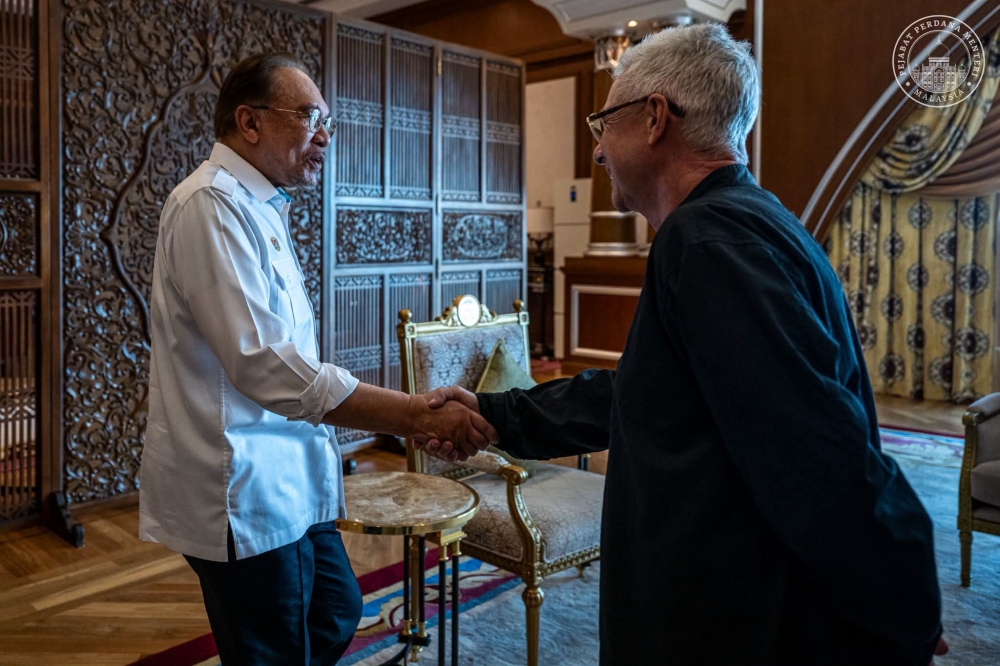
Prime Minister Datuk Seri Anwar Ibrahim has engaged directly with leadership from Singapore's Grand Prix operations to explore the possibility of returning Formula 1 to Sepang International Circuit, signalling Malaysia's renewed ambition to reclaim a prominent position in international motorsports. The meeting underscores the federal government's commitment to revitalising the country's sporting infrastructure and economic opportunities linked to hosting one of the world's most prestigious racing events.
The engagement with the Singapore Grand Prix chief represents a strategic diplomatic move that bridges regional motorsports expertise and Malaysian ambitions. Singapore's successful stewardship of its own Formula 1 event provides valuable insights into the operational, financial, and logistical requirements needed to organise and sustain a world-class racing calendar slot. By consulting directly with experienced practitioners in the region, Malaysia positions itself to leverage proven methodologies while developing a compelling bid for Formula 1's return.
Sepang International Circuit, located approximately 50 kilometres south of Kuala Lumpur, hosted Malaysia's Grand Prix for 17 consecutive years beginning in 1999. The track gained international recognition for its challenging design, state-of-the-art facilities, and passionate local fanbase. Its absence from the Formula 1 calendar since 2017 has left a notable gap in Southeast Asia's motorsports landscape and represented a missed opportunity for Malaysia's tourism and hospitality sectors, which historically benefited substantially from the influx of international visitors and media attention during race weekends.
The timing of these discussions reflects Malaysia's broader economic strategy to attract major international events that generate revenue, employment, and global visibility. The Formula 1 calendar has expanded geographically in recent years, with new venues in the Middle East, Asia, and beyond competing aggressively for hosting rights. For Malaysia to reclaim its slot, the country must demonstrate financial viability, infrastructure readiness, and a comprehensive plan addressing safety, sustainability, and community benefit.
Reviving Formula 1 racing at Sepang carries significant implications for Malaysia's motorsports industry ecosystem. The event would stimulate demand for hospitality services, transportation, security personnel, and specialist motorsports expertise. Local businesses, from restaurants to hotels and retail establishments, have historically experienced substantial revenue increases during race weekends. Beyond direct economic gains, hosting Formula 1 elevates Malaysia's international profile and demonstrates governmental capacity to deliver complex, large-scale events requiring coordination across multiple agencies and private entities.
Singapore's experience hosting its Grand Prix on a street circuit in the Marina Bay area offers contrasting lessons to Malaysia's proposed return at a permanent track facility. While Singapore's night race has become iconic and commands premium pricing, Sepang's alternative positioning as a fixed-installation venue provides distinct advantages: greater operational flexibility, reduced permanent urban infrastructure disruption, and lower community relocation costs. These differences suggest Malaysia might emphasise its own unique value proposition rather than simply replicating Singapore's model.
The political dimension of this initiative matters considerably. Anwar Ibrahim's personal involvement signals that Formula 1's return is treated as a priority within the government's economic and sporting agenda. His engagement with foreign stakeholders demonstrates Malaysia's willingness to invest diplomatic and political capital in securing major events. This approach can influence Formula 1's decision-making processes, as host nations' governments often play crucial roles in guaranteeing financial commitments and regulatory support required for successful race operations.
Financial sustainability remains the central challenge for any Formula 1 revival at Sepang. The sport's governing body, Formula 1 Management, demands hosting fees that have escalated substantially in recent years, often exceeding $300 million over multi-year agreements. Malaysia would need to secure this funding through a combination of government allocations, corporate sponsorships, and private investment. The economic case must demonstrate that expected returns—through tourism expenditure, media rights, and brand enhancement—justify these considerable outlays over the commitment period.
Regional competition for Formula 1 events has intensified since Malaysia's race concluded. Vietnam attempted to develop a street circuit but abandoned its bid; Thailand continues pursuing involvement; while established venues in Australia and Japan maintain their places. Malaysia's reentry into this competitive landscape requires not merely nostalgia for past successes but forward-looking infrastructure improvements, enhanced safety features, and modern amenities reflecting current Formula 1 standards and audience expectations.
Looking ahead, the success of Malaysia's Formula 1 resurrection depends on translating these high-level diplomatic meetings into concrete agreements. Negotiations with Formula 1 Management regarding scheduling, facilities upgrades, and financial arrangements will determine whether Sepang genuinely returns to the calendar. Parallel efforts to secure domestic funding commitments and address any track modernisation requirements will also prove essential to transforming this stated ambition into scheduled race dates.

