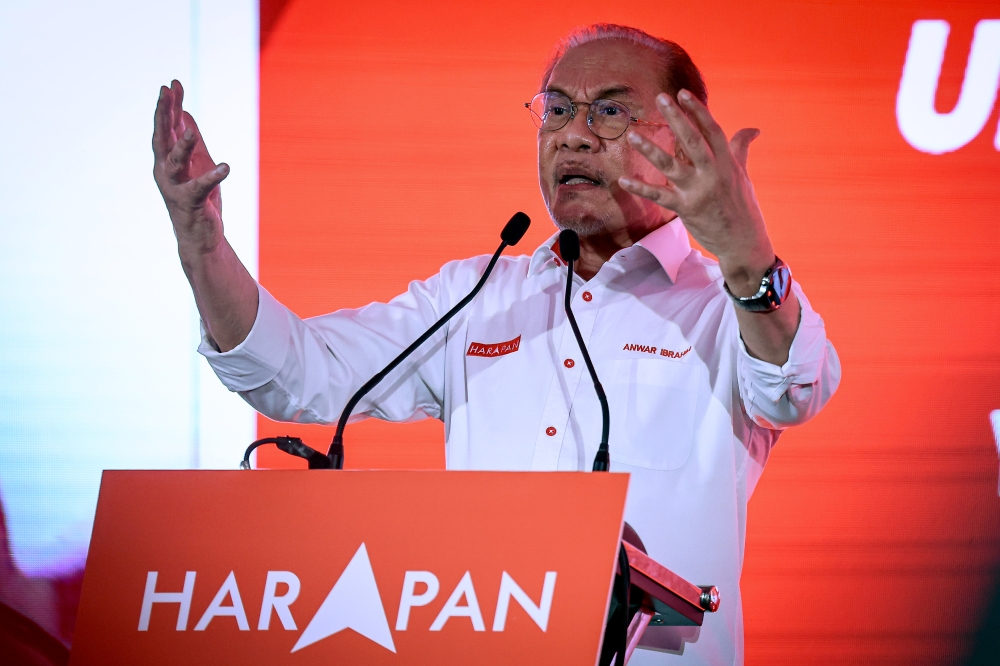
Prime Minister Datuk Seri Anwar Ibrahim is intensifying Pakatan Harapan's electoral campaign by venturing into Negeri Sembilan, marking a significant personal investment in mobilising grassroots support across the state. The move reflects the coalition's determination to maintain momentum in a region where political fortunes have shifted considerably in recent years, and underscores the high stakes surrounding upcoming elections that could reshape the electoral landscape at both state and national levels.
Anwar's presence on the campaign trail carries particular weight within Malaysian political discourse. As the figurehead of the current federal administration, his direct engagement with voters in Negeri Sembilan signals the coalition's seriousness about securing electoral gains in this traditionally competitive state. The campaign strategy appears designed to leverage his personal popularity and Prime Ministerial authority to persuade undecided voters and reinvigorate party activists who will be crucial to driving voter turnout.
Negeri Sembilan occupies a pivotal position in Malaysia's political geography. The state has demonstrated a propensity for shifting political allegiances, making it a genuine battleground where campaign intensity can genuinely influence outcomes. The local electorate has shown willingness to reward effective governance and punish perceived underperformance, creating an environment where direct appeals from national leaders can resonate powerfully. This dynamism makes the state a testing ground for broader political narratives that both Pakatan and opposition parties are promoting nationally.
Packatan Harapan faces the dual challenge of defending its record while offering a compelling vision for the future. Voters in Negeri Sembilan, like their counterparts nationwide, are evaluating the coalition's performance on economic management, cost-of-living pressures, and governance effectiveness. Anwar's campaign appearances provide an opportunity to articulate how federal policies translate into tangible benefits for ordinary Malaysians, particularly in areas such as employment, education, and healthcare services that directly affect household welfare.
The campaign drive also reflects Pakatan's recognition that elections at the state level carry implications for national political positioning. Strong performances in state elections can build momentum for federal-level contests, generate positive media narratives, and energise party machinery. Conversely, poor showings can undermine confidence within the coalition and embolden opposition parties to claim that voters are withdrawing support from the incumbent federal government.
Anwar's hands-on approach demonstrates a departure from traditional Malaysian campaign conventions, where Prime Ministers occasionally maintain distance from direct grassroots engagement. By venturing into Negeri Sembilan, he is adopting a more populist strategy aimed at establishing personal connections with voters and demonstrating accessibility that younger, more change-oriented electorates increasingly value. This approach carries risks, as missteps become magnified when leaders engage directly with the public, but the potential rewards in terms of enhanced voter enthusiasm justify the exposure.
Packatan's coalition partners will be crucial to the campaign's success. The state contains multiple constituencies with different demographic characteristics and political histories, requiring tailored messaging that acknowledges local concerns while connecting to broader national themes. Coordinated campaigning among coalition members—Parti Keadilan Rakyat, Democratic Action Party, Amanah, and other allied parties—will determine whether the coalition can present a united front that voters perceive as capable and cohesive.
The opposition's response to Pakatan's campaign intensity will shape the competitive environment. Barisan Nasional and Perikatan Nasional both maintain significant machinery in Negeri Sembilan and will present their own contrasting visions to voters. The intensity with which opposition parties contest Pakatan's campaign message will influence whether Anwar's presence generates the intended momentum or becomes overshadowed by competing political narratives.
Economic conditions will substantially influence how Negeri Sembilan voters respond to Pakatan's campaign message. Inflation, employment opportunities, and wage growth remain critical voter concerns that transcend traditional party loyalties. If Anwar's campaign successfully connects government policies to improved economic conditions, the strategy may yield electoral dividends. Conversely, if economic grievances dominate voter sentiment, even energetic campaigning by national leaders may struggle to overcome underlying discontent.
The Negeri Sembilan campaign also provides valuable intelligence about voter sentiment that will inform Pakatan's broader strategic planning. Campaign interactions offer opportunities to identify which messages resonate with different demographic groups, which policy areas generate particular concern or enthusiasm, and which constituencies represent genuine competitive opportunities versus entrenched opposition strongholds. This ground-level feedback will prove invaluable as the coalition prepares for broader electoral contests.
Anwar's campaign activities underscore the premium Malaysian political parties place on personal leadership visibility during election cycles. While organisational infrastructure, campaign financing, and party machinery remain important, the direct engagement of senior leaders with voters continues to represent a critical campaign component. In this context, the Prime Minister's Negeri Sembilan campaign represents a calculated effort to marshal his political capital in service of electoral objectives that extend beyond any single state contest.

