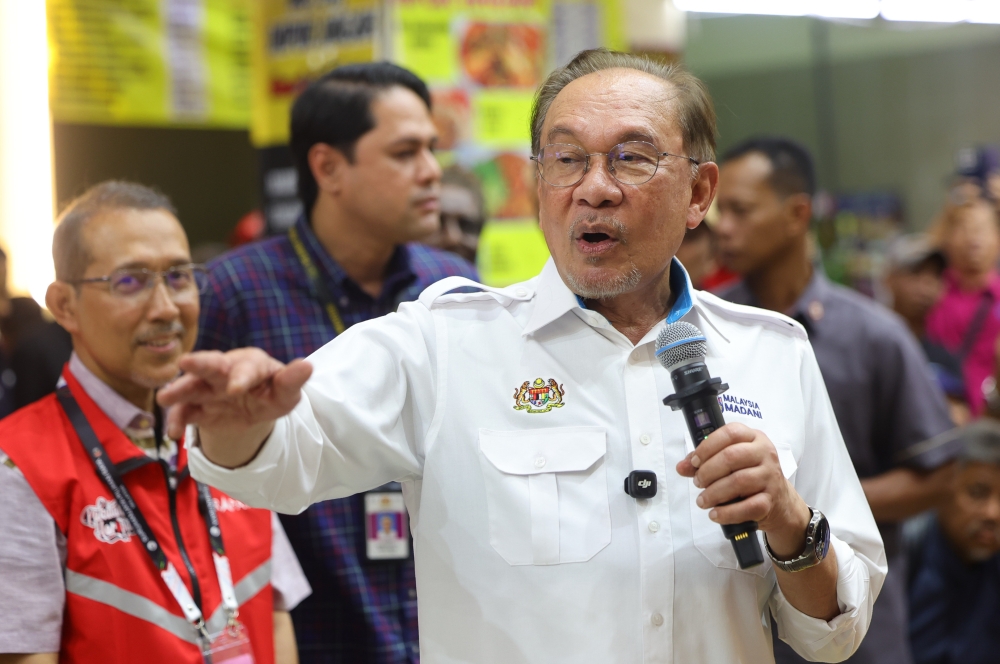
Prime Minister Datuk Seri Anwar Ibrahim is mounting a high-intensity campaign push across Negeri Sembilan, underlining the government coalition's strategic focus on retaining influence in the state. The compressed schedule reflects the critical importance of the forthcoming elections to the federal administration's political standing and parliamentary stability.
Anwar's extensive programme throughout the state represents a deliberate shift in campaigning tempo during the final phase of the electoral contest. By concentrating presidential-level visibility in Negeri Sembilan, PKR is attempting to energise its grassroots machinery and reinforce voter confidence in the ruling coalition's vision. For Malaysian observers, the intensity of ministerial involvement at this juncture typically indicates internal campaign assessments suggesting competitive contests in key constituencies.
Negeri Sembilan holds particular significance for the federal government's broader political calculations. The state remains strategically valuable both demographically and in terms of Pakatan Harapan's coalition mathematics. A strong performance here would buttress claims of popular mandate, whilst setbacks could embolden opposition narratives questioning the government's legitimacy and governance record. Anwar's personal campaign presence serves to elevate the contest beyond routine state-level politics into a referendum on federal leadership.
The prolonged engagement schedule also addresses structural challenges within the PKR campaign machinery. By concentrating leadership attention across multiple constituencies and demographic segments, the party aims to shore up enthusiasm among organisational tiers that may have experienced fatigue during extended campaigning. Presidential endorsements and high-profile public appearances function as force-multipliers for volunteer recruitment and voter mobilisation efforts.
For regional observers, the intensity of Anwar's Negeri Sembilan focus illustrates how Malaysian federal politics increasingly intertwines with state-level contests. Neighbouring states and opposition figures are monitoring these dynamics closely, recognising that electoral outcomes here may establish momentum patterns influencing subsequent contests. The campaign's visibility and resource allocation provide early indicators of coalition confidence levels.
Anwar's personal involvement also carries symbolic weight regarding the government's responsiveness to regional concerns. By physically traversing constituencies and engaging directly with voters, the Prime Minister signals that federal leadership takes local grievances seriously. This approach contrasts with any perception of centralised governance disconnected from community-level realities. In Malaysian political culture, such visible commitment often translates into consolidated voter support, particularly among swing constituencies.
The demanding schedule underscores evolving campaign methodology within Malaysian politics. Rather than concentrating activity immediately preceding polling day, contemporary practices favour sustained frontloaded engagement enabling intensive voter contact and message reinforcement. This approach maximises organisational momentum and reduces risks of late-campaign momentum shifts favouring opposition forces.
Negeri Sembilan's demographics present both opportunities and vulnerabilities for the ruling coalition. Economically mixed constituencies encompassing urban professionals, industrial workers, and rural communities require tailored messaging addressing distinct priorities. Anwar's varied campaign stops across these segments enable direct communication of targeted policy benefits, from urban development initiatives to rural infrastructure investments.
The state's historical voting patterns reveal structural competition where neither coalition commands overwhelming dominance. This competitive equilibrium necessitates aggressive campaigning from both sides, with presidential-level intervention signalling genuine contestation rather than predetermined outcomes. Such competitive dynamics enliven electoral processes and ensure voter engagement remains substantive rather than perfunctory.
Opposition movements are undoubtedly responding to intensified government campaigning with reciprocal activity. The resulting heightened political engagement benefits broader democratic processes, encouraging voter registration, civic participation, and informed electoral choices. Malaysian voters across Negeri Sembilan consequently confront genuine policy contrasts and leadership alternatives meriting serious consideration.
Anwar's campaign trajectory also reflects succession planning considerations within PKR and Pakatan Harapan. Demonstrating continued popular appeal and organisational vitality ahead of potential leadership transitions addresses internal party dynamics whilst reinforcing external perceptions of coalition cohesion. Electoral performance validates organisational structures and leadership hierarchies, establishing foundations for future political configurations.
The compressed final-stage campaign intensity represents calculated political strategy rather than random activity. Sophisticated campaign analysis conducted by PKR's internal research divisions presumably identified pivotal constituencies and demographic groups responsive to intensive outreach. Anwar's physical presence in specific locations reflects these data-driven targeting decisions, optimising limited prime ministerial time for maximum electoral impact.
As Negeri Sembilan voters prepare for electoral decisions, the intensity of campaign activity across all political formations underscores the stakes involved for Malaysian governance. State-level electoral contests increasingly determine federal coalition stability and policy implementation capacity. Therefore, the outcome merits careful consideration by voters recognising that their decisions extend implications beyond state administration into national political stability and long-term governance trajectories.

