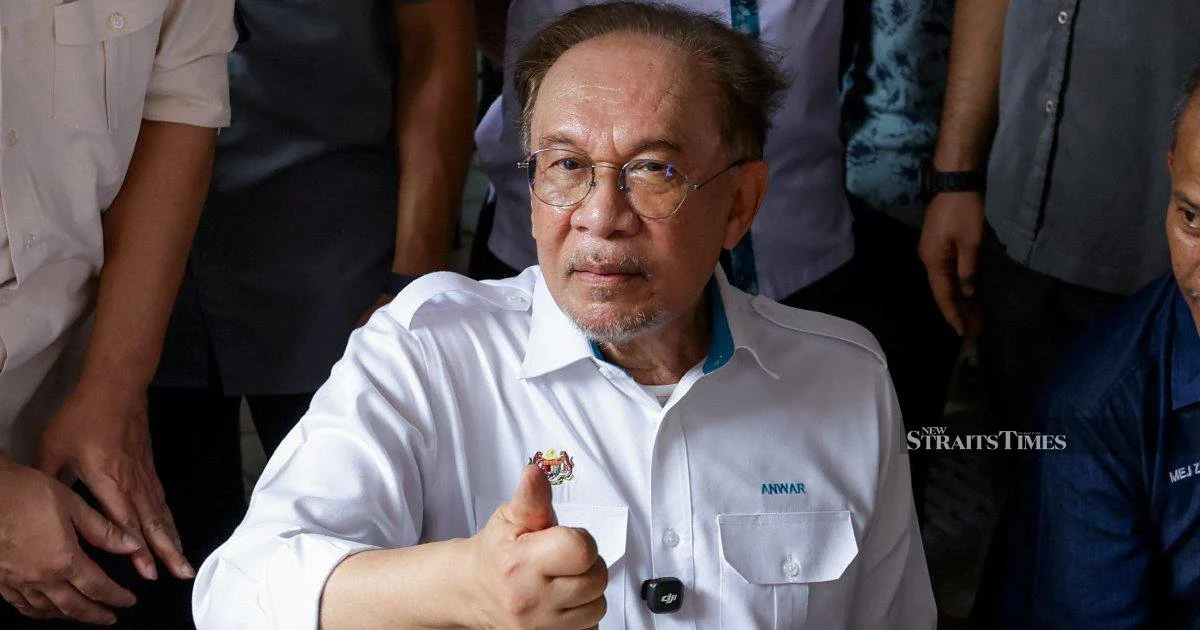
Prime Minister Datuk Seri Anwar Ibrahim has consolidated his standing as Malaysia's most popular political leader, according to fresh polling data from the Merdeka Centre, a respected independent research organisation that tracks public sentiment across the country. The latest survey places the premier ahead of his cabinet colleagues and other major political figures in terms of public approval, suggesting the prime minister retains substantial support among Malaysian voters even as the government navigates complex domestic and international challenges.
The Merdeka Centre has established itself as a reliable barometer of Malaysian political opinion over several decades, conducting regular surveys that measure public confidence in national leadership. These periodic assessments provide insight into how Malaysians view their political representatives and offer politicians feedback on their standing with the electorate. Anwar Ibrahim's commanding lead in the most recent poll indicates that his popularity extends across different demographic groups and geographic regions, though the precise breakdown of support by age, income, or ethnicity was not detailed in the available information.
Popularity ratings for political leaders often fluctuate based on economic conditions, policy announcements, and broader political developments. That Anwar Ibrahim has achieved the highest approval rating suggests public confidence in his leadership during a period when Malaysia faces ongoing economic pressures, rising cost of living concerns, and the need to maintain regional stability. His government has pursued initiatives focused on economic recovery and tackling corruption, factors that likely resonate with voters evaluating their leaders.
The survey reveals a substantial gap between the most and least popular figures measured in the poll. Datuk Seri Zahid Hamidi, who holds significant positions within the government and ruling coalition, recorded the lowest approval rating among those surveyed. This disparity underscores how public perception of individual leaders within the same administration can vary dramatically, reflecting different public assessments of their contributions to government and their personal credibility with voters.
Zahid Hamidi's lower standing may reflect multiple factors including his past legal challenges and public controversies that have dominated media coverage over recent years. The former Home Minister faced significant scrutiny during his tenure and his involvement in various political episodes has kept him in the public eye, though not always positively. His current role within government structures means that voters assess his performance and track record when forming opinions about his approval rating.
The ranking of political leaders through public opinion surveys carries substantial implications for coalition dynamics and internal government balance. When approval ratings diverge significantly among senior figures, it can influence decision-making around cabinet positions, policy direction, and coalition partner relationships. Politicians with higher ratings gain greater leverage in internal discussions, while those with lower ratings may face pressure to adjust their public profile or reassess their political strategies.
For Malaysian voters and observers tracking national politics, such surveys provide quantifiable evidence of who commands public confidence. Rather than relying on anecdotal impressions or media narratives, the Merdeka Centre data offers empirical measurement of opinion trends. This information helps voters understand how their political leaders are performing in the eyes of the broader population and whether leaders are gaining or losing support over time.
The timing of this survey may reflect broader political developments within Malaysia's coalition government. The ruling alliance comprising multiple parties must balance competing interests and maintain public support for its mandate. Anwar Ibrahim's top ranking suggests his government retains sufficient public backing to govern effectively, though the presence of significant figures with lower approval ratings indicates internal tensions or public dissatisfaction with specific portfolio holders that coalition leaders must address.
Regional observers also monitor Malaysian leadership approval ratings as they provide indicators of political stability and the direction of Southeast Asia's second-largest economy. A prime minister with strong public approval typically has greater freedom to pursue strategic initiatives and maintain consistent policy direction, whereas declining ratings can limit a leader's ability to implement ambitious programmes or make difficult political decisions without facing substantial public resistance.
The gap between highest and lowest-rated figures in this survey may also reflect generational shifts in how Malaysians evaluate their leaders. Voters increasingly access information through diverse channels beyond traditional media, allowing them to form more nuanced assessments of political figures. Leaders who effectively communicate their vision and demonstrate competence in their portfolios tend to enjoy stronger approval, while those perceived as out of touch or ineffective face headwinds in public opinion.
Moving forward, political analysts will track whether Anwar Ibrahim's commanding approval advantage translates into sustained support for government initiatives and whether other cabinet members can improve their public standing. Coalition parties will likely use such data when considering portfolio assignments or determining which figures should take lead roles in upcoming campaigns and policy announcements. The survey provides a snapshot of current sentiment, but Malaysian politics remains dynamic with regular opportunities for leaders to reset public perceptions through decisive action and effective communication.

