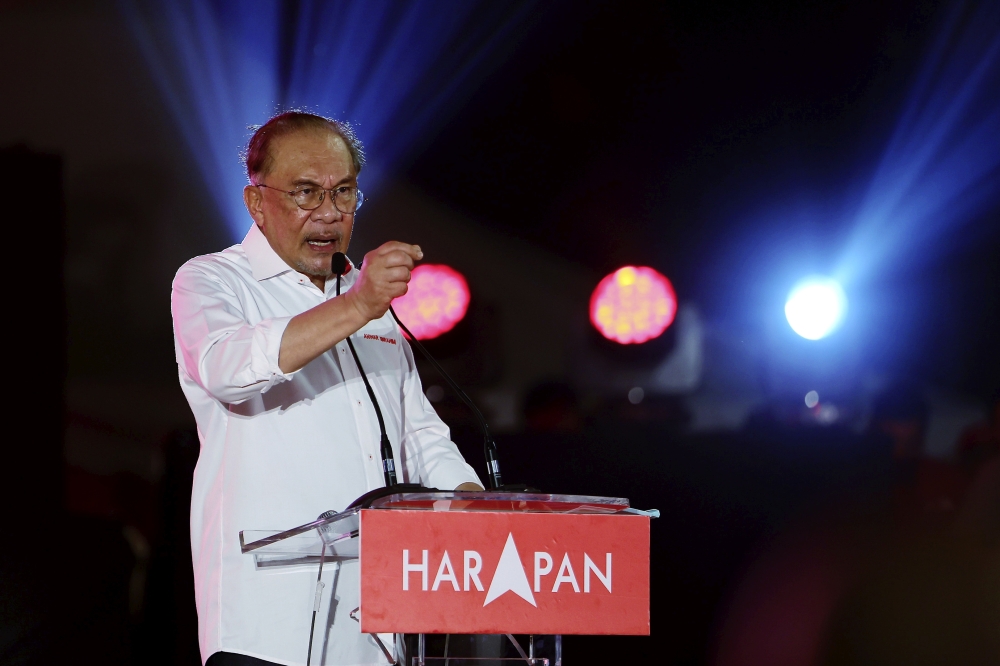
Prime Minister Datuk Seri Anwar Ibrahim is embarking on his inaugural Negeri Sembilan campaign tour, with plans to address supporters across four major events in a single day. The coordinated rallies represent a deliberate strategy to consolidate political momentum in a state that has become increasingly important to the federal government's electoral calculations and policy implementation agenda.
The campaign swing through Negeri Sembilan underscores the significance the Prime Minister places on the state, which serves as both a symbolic and practical battleground for Pakatan Harapan's political fortunes. By committing to multiple stops in one day, Anwar is signalling not merely ceremonial engagement but rather a serious investment in securing grassroots support and energising party machinery at the state and divisional levels. This intensive approach reflects lessons learned from previous electoral cycles and demonstrates awareness that sustained political presence translates into organisational strength.
Negeri Sembilan has historically maintained a delicate political balance, with varying degrees of support for different coalitions across its multiple constituencies. The state's position as a central hub between the Klang Valley and southern Peninsular Malaysia makes it strategically valuable, serving as both a buffer and potential swing region. For the ruling coalition, maintaining or expanding influence here is crucial for broader electoral stability and for ensuring that state-level governance aligns with federal government priorities on economic development and administrative initiatives.
Anwar's personal involvement in the campaign tour carries symbolic weight that extends beyond mere political participation. As Prime Minister, his presence at grassroots events demonstrates accessibility and commitment to connecting with ordinary citizens rather than governing from administrative centres alone. This approach has become increasingly important in contemporary Malaysian politics, where public perception of leader engagement directly influences voting behaviour and party member morale. The four-event format allows multiple constituencies and demographic groups to feel directly addressed by the nation's top political figure.
The timing and scale of this campaign push also reflect broader political calculations within the federal government. With various state elections and by-elections potentially on the horizon, establishing strong organisational presence across all states is essential for Pakatan Harapan's long-term viability. Negeri Sembilan, despite being relatively smaller in population than Selangor or Johor, cannot be neglected without risking opposition parties capturing momentum in constituencies that could swing outcomes in tightly contested races.
For the Prime Minister's political party and coalition partners, such campaign tours serve multiple functions simultaneously. They allow leadership to gauge public sentiment on current policies, test messaging strategies, and identify emerging issues that require government attention. The feedback obtained from multiple rallies in a single day provides valuable intelligence about regional variations in public concern and support levels. This information feeds directly into policy refinement and communication strategies deployed at the federal level.
The campaign events also strengthen bonds between federal and state-level politicians. When the Prime Minister appears at local rallies, it elevates the profile and political capital of state-level figures who share the platform, making them appear closely aligned with national power structures. This boost to state leaders' standing can translate into improved performance in their own electoral and administrative responsibilities, creating a virtuous cycle of political strengthening across government structures.
Negeri Sembilan's voters are likely to view Anwar's four-stop tour as evidence that the state matters to national leadership. In an era where many citizens feel disconnected from federal government priorities, such direct engagement helps counteract narratives that peripheral states receive inadequate attention or resources. The campaign tour becomes an opportunity to reinforce messaging about government achievements in infrastructure, education, healthcare, and economic development—areas where federal policy directly impacts daily life.
Opposition parties will undoubtedly view the same campaign tour as a challenge requiring their own response. The intensity of federal government activity in Negeri Sembilan forces opposition coalitions to match engagement levels or risk appearing less invested in the state's wellbeing. This competitive dynamic, while sometimes characterised as excessive politicking, does ensure that political parties maintain active presence and engagement across the country rather than concentrating resources in select high-profile areas.
For Malaysian politics more broadly, Anwar's campaign approach reflects modernised methods of political mobilisation. Rather than relying solely on traditional media or infrequent visits, the Prime Minister is adopting an intensive ground strategy that combines high-visibility personal engagement with organisational development. This methodology has proven effective in other democracies and represents an evolution in how Malaysian leaders approach campaign operations and voter relationship management.
The Negeri Sembilan tour must also be understood in context of the Prime Minister's broader responsibilities. Balancing prime ministerial duties with extensive campaign participation requires careful scheduling and delegation. The fact that Anwar is personally committing to four events in one day, rather than delegating these responsibilities to subordinates, suggests particular strategic importance attached to this state. Such personal investment sends powerful signals to both supporters and opposition about the government's confidence and determination.
Looking forward, this campaign tour likely marks the beginning of a sustained engagement period in Negeri Sembilan. If successful in mobilising support and generating positive public reception, similar multi-event tours may be replicated across other states. The model tests effectiveness of intensive, focused campaign strategies compared to broader national campaigns. Results from this tour will inform federal government campaign planning for potential upcoming elections at state or parliamentary levels, making the four events significant not just for immediate political purposes but also for providing strategic insights into voter behaviour and campaign effectiveness across different formats and venues.

