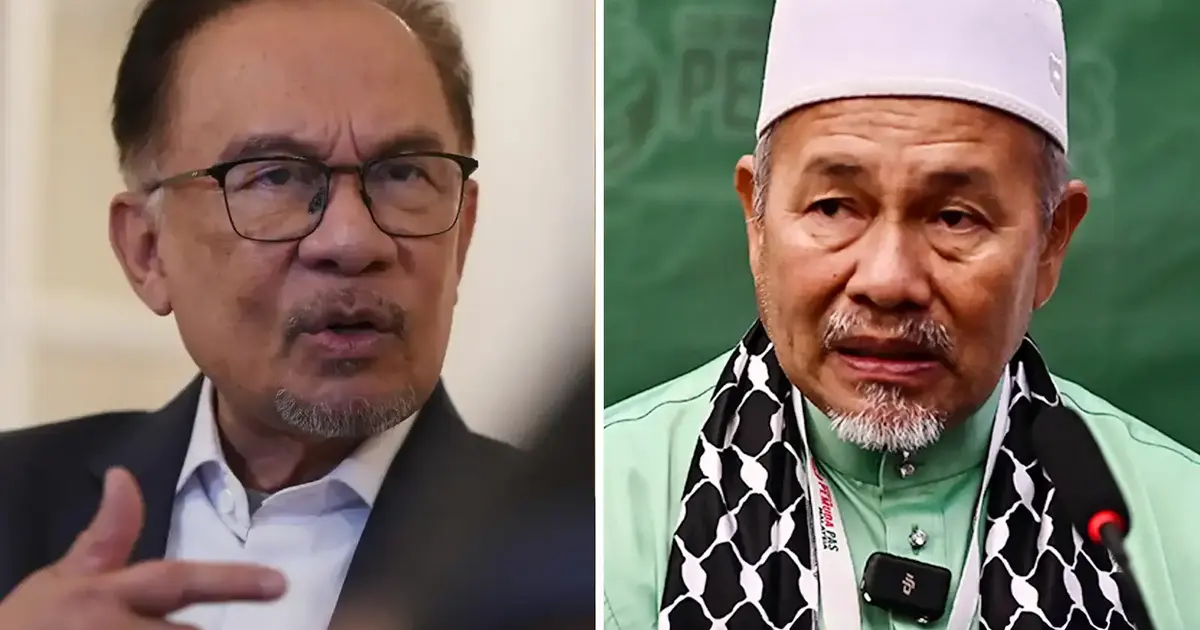
Prime Minister Anwar Ibrahim has initiated a defamation lawsuit against Tuan Ibrahim Samsudin, the deputy president of PAS, in response to allegations aired during a public ceramah. The legal action centres on claims that Tuan Ibrahim made defamatory remarks questioning the Prime Minister's conduct regarding police investigations and matters pertaining to the royal institution in Negeri Sembilan. This development marks an escalation in political tensions between the Pakatan Harapan-led federal government and the opposition PAS party, adding another layer to Malaysia's complex and often contentious political landscape.
The specifics of Tuan Ibrahim's remarks during the ceramah—a traditional form of public address and political engagement common in Malaysia—have become the subject of intense scrutiny. According to the Prime Minister's legal team, Tuan Ibrahim made statements suggesting that Anwar had overstepped his constitutional authority by meddling in ongoing police enquiries. Such accusations carry significant weight in Malaysia's political discourse, particularly given ongoing public concerns about institutional independence and the separation of powers. The alleged interference extended, according to the complaint, to sensitive matters involving Negeri Sembilan's royal institution, an area where federal intervention traditionally requires careful constitutional consideration.
The decision to pursue legal remedies reflects how Malaysian politics increasingly intersects with the country's judicial system. Defamation suits have become a favoured instrument among political protagonists to counter perceived attacks on their reputations and credibility. For Anwar Ibrahim, the lawsuit represents a forceful response designed to protect his public standing as Prime Minister and to assert that such serious allegations require substantiation rather than rhetorical flourish. The move signals that the Prime Minister's office will not tolerate what it deems to be unsubstantiated claims regarding governmental overreach or institutional interference.
The choice of Tuan Ibrahim Samsudin as the defendant in this legal matter is particularly significant. As deputy president of PAS, one of Malaysia's major political parties and a key opposition force, Tuan Ibrahim's public statements carry considerable weight among the party's base and sympathetic voters. PAS has been a vocal critic of the current federal administration, particularly regarding governance, economic policy, and what the party characterizes as threats to Islamic values. The organization of this lawsuit may therefore be interpreted by observers as part of the broader competitive struggle between the Pakatan Harapan coalition and its opposition counterparts for political dominance and public persuasion.
The allegations concerning police investigation interference strike at fundamental questions about institutional autonomy and executive accountability in Malaysia. The Royal Malaysia Police operate under constitutional frameworks designed to ensure professional independence in their investigative functions. When allegations emerge that any political figure, including the Prime Minister, has improperly influenced police enquiries, these touch on deeply sensitive matters regarding the rule of law and democratic governance. The Prime Minister's legal action suggests his administration views these accusations as serious enough to warrant judicial examination rather than mere political rebuttal.
The Negeri Sembilan connection adds another dimension to this dispute. As a state with its own constitutional monarchy and legislative structures, Negeri Sembilan maintains particular prerogatives regarding internal governance and royal protocols. Federal involvement in state-level matters, particularly those touching the state ruler, typically requires careful navigation of constitutional boundaries. If Tuan Ibrahim's remarks specifically referenced alleged interference in Negeri Sembilan's royal or administrative affairs, the accusations would implicate both constitutional law and intergovernmental relations within Malaysia's federal system.
Political observers note that such defamation suits, while available to any citizen, carry particular implications when initiated by sitting prime ministers. They establish a precedent regarding how the government addresses political criticism and mark a threshold of tolerance for public statements about governmental conduct. For PAS and opposition politicians, the lawsuit potentially raises concerns about the space available for legitimate political critique, even as it provides an opportunity to examine the substantive claims in a judicial setting where evidence and legal standards apply. The outcome of this case may thus influence how Malaysian political actors calibrate their public discourse and the risks they assess when levelling institutional criticism.
The ceramah tradition itself deserves consideration in this context. These gatherings represent a grassroots form of political engagement where Malaysian politicians directly address voters, explain policies, and critique opponents in informal settings. The transition from ceramah remarks to formal legal proceedings illustrates how Malaysia's political communication increasingly bridges traditional grassroots engagement and modern courtroom litigation. What begins as public speech becomes legal evidence, subject to examination by judges evaluating claims of defamation under Malaysian law.
From a regional perspective, this dispute reflects broader patterns across Southeast Asia where opposition parties employ criticism of institutional independence as a political weapon, and governments defend their autonomy through legal mechanisms. Malaysia's experience with defamation litigation in political contexts offers lessons relevant to other democracies in the region grappling with similar tensions between free political speech and protection of governmental reputation. The case will likely generate significant legal commentary regarding what constitutes actionable defamation in political speech and where courts should draw boundaries protecting both individual reputations and political expression.
The lawsuit's trajectory through Malaysian courts will provide important signals about judicial willingness to adjudicate disputes arising from routine political opposition. PAS will face the challenge of defending Tuan Ibrahim's statements or demonstrating their truthfulness according to legal standards of evidence. Meanwhile, the Prime Minister's administration must substantiate its claims that the remarks were false and damaging. This legal contestation ultimately forces both sides to move beyond rhetorical assertion and submit their positions to judicial examination, potentially clarifying important constitutional questions about institutional independence and proper governmental conduct.

