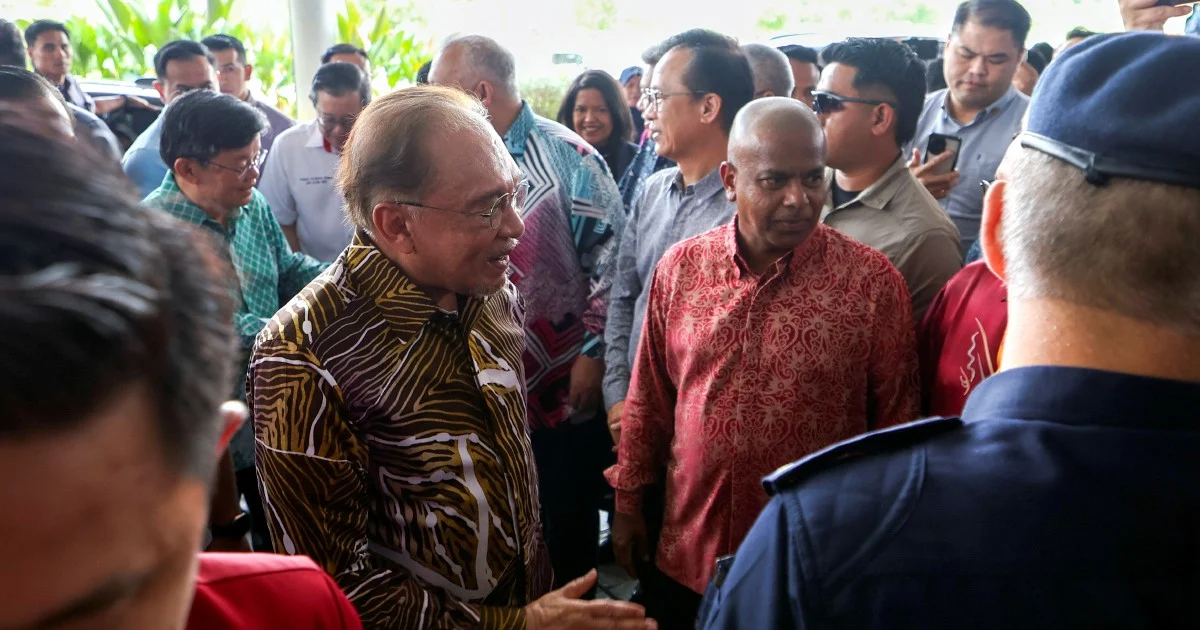
Prime Minister Datuk Seri Anwar Ibrahim has declared Turkmenistan's decision to grant Petroliam Nasional Bhd (Petronas) rights to develop two major gas fields as a watershed moment for Malaysia's energy resilience. Speaking in his Permatang Pauh constituency, Anwar emphasised the strategic importance of the contract in safeguarding the nation's fuel supplies amid shifting global energy dynamics and rising regional demand for natural resources.
The agreement represents a significant expansion of Petronas's international upstream portfolio and underscores Malaysia's growing influence in energy diplomacy across Central Asia. For a country increasingly conscious of its hydrocarbon reserves depletion, securing access to foreign gas resources has become central to medium and long-term policy planning. Turkmenistan, home to some of the world's largest proven gas reserves, offers a complementary source that can supplement Malaysia's declining domestic production while supporting the nation's industrial competitiveness.
Anwar's comments reflect broader government strategy to position Malaysia as a stable, forward-thinking energy player capable of navigating complex geopolitical terrain. The Central Asian nation has been selective in awarding major development contracts, making Petronas's success a testament to the Malaysian company's technical expertise and financial credibility. This achievement also signals confidence from Ashgabat in Malaysia's ability to manage large-scale infrastructure projects responsibly, a reputation Petronas has cultivated through decades of regional operations.
The two gas fields will substantially augment Petronas's production capacity and provide crucial feedstock for Malaysia's liquefied natural gas export operations and domestic power generation needs. As Southeast Asia's largest LNG exporter, Malaysia benefits considerably when Petronas secures additional resource bases. Such contracts create longer-term revenue visibility and support Malaysia's role as a reliable energy supplier to global markets, particularly across Asia-Pacific where demand continues rising.
Energia strategists note that diversifying gas sourcing geographically reduces supply vulnerability and strengthens negotiating positions with existing suppliers and customers. Turkmenistan's distance from Malaysia means transportation will be managed through existing global infrastructure networks, likely involving trading partnerships and third-party carriers. This complexity is manageable for a company of Petronas's scale and experience, particularly given the company's established presence in multiple continents.
The timing of the award carries significance given current global energy market volatility. With traditional suppliers facing sanctions, production disruptions, or shifting export policies, established players like Malaysia are capitalising on opportunities to secure diverse supply chains. The Turkmenistan fields provide optionality—their gas can serve multiple markets and uses, from export as LNG to domestic industrial applications to power generation, offering strategic flexibility.
Domestically, such international successes provide political capital for the government's broader economic agenda. Energy security resonates strongly with Malaysian policymakers and the public alike, particularly given infrastructure constraints and the intermittent nature of renewable energy that Malaysia is increasingly adopting. Demonstrating that Malaysia can compete globally for critical resources reassures stakeholders about the nation's economic direction and future prosperity.
Petronas's success in Turkmenistan also has positive implications for Malaysia's other international business relationships and diplomatic standing. The contract demonstrates that despite economic challenges and internal corporate reforms, the national oil company remains competitive and capable of securing major international assets. This reputation supports Malaysia's broader investment and trade objectives across Central Asia and beyond.
The gas fields' development timeline and production profiles will become clearer as Petronas advances through initial engineering and feasibility phases. Industry observers anticipate that first gas could emerge within five to seven years, depending on infrastructure complexity and regulatory approvals. Revenue contributions will gradually accumulate, but the strategic value—ensuring Malaysia's energy security well into the 2030s—extends far beyond immediate financial returns.
For Malaysia's energy-intensive industries, including chemicals, petrochemicals, and manufacturing, reliable access to competitively priced gas underpins competitiveness. The Turkmenistan contract therefore supports not just Petronas's bottom line but the broader industrial ecosystem that depends on stable, affordable energy inputs. Regional competitors watching Malaysia's energy strategy will view this development as evidence of thoughtful long-term planning.
Anwar's emphasis on energy security reflects understanding that sustainable prosperity requires stable resource foundations. While Malaysia transitions toward renewable energy and improved efficiency, hydrocarbon revenues remain critical to government finances and industrial operations. Securing additional gas supplies internationally buys time for Malaysia to diversify its economy further while maintaining the energy advantage that has supported growth for decades.
The Turkmenistan achievement also strengthens Malaysia's hand in future negotiations with other resource-rich nations. Demonstrating operational competence and financial discipline makes Petronas an attractive partner for countries evaluating bids from global energy majors. This advantage will serve Malaysia well as it seeks additional international resource opportunities to sustain growth and employment across the energy value chain and related sectors.
%22%2F%3E%3C%2Fpattern%3E%3C%2Fdefs%3E%3Crect%20width%3D%22100%25%22%20height%3D%22100%25%22%20fill%3D%22url(%23ph2jw31g)%22%2F%3E%3Crect%20width%3D%22100%25%22%20height%3D%22100%25%22%20fill%3D%22url(%23ph2jw31p)%22%2F%3E%3Ctext%20x%3D%2250%25%22%20y%3D%2250%25%22%20text-anchor%3D%22middle%22%20dominant-baseline%3D%22central%22%20fill%3D%22rgba(255%2C255%2C255%2C0.95)%22%20font-family%3D%22Georgia%2C%20'Times%20New%20Roman'%2C%20serif%22%20font-weight%3D%22700%22%20font-size%3D%22194%22%20letter-spacing%3D%22-0.02em%22%3ETelekom%3C%2Ftext%3E%3C%2Fsvg%3E)