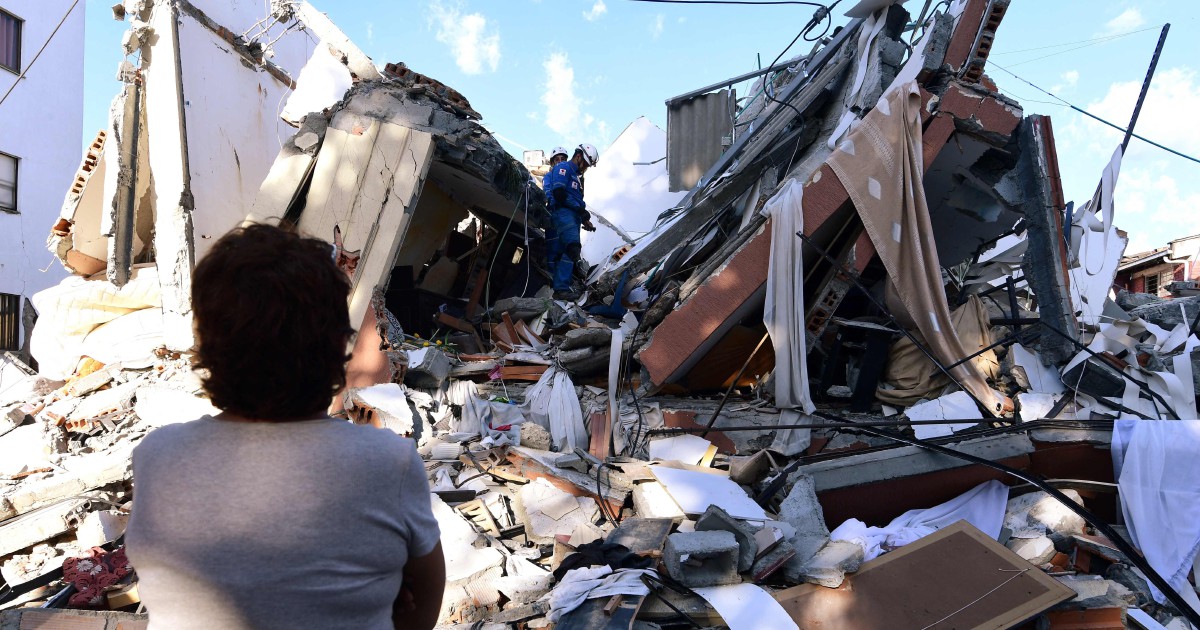
Malaysia's Prime Minister Datuk Seri Anwar Ibrahim has reached out to express the country's sympathies to the Colombian people in the wake of a catastrophic earthquake that struck the western portions of the South American nation. The gesture reflects Malaysia's commitment to demonstrating solidarity during times of natural disaster, when international support becomes crucial for affected communities attempting to rebuild their lives and assess the full extent of damage.
The earthquake, which occurred yesterday, has triggered an immediate humanitarian response across the globe, with nations recognising the scale of destruction and loss of life that such geological events can inflict on densely populated areas. Colombia's western regions, which encompass several provinces with significant population centres, bore the brunt of the seismic activity, leaving authorities scrambling to coordinate rescue and relief operations.
PM Anwar's message underscores Malaysia's broader approach to regional and international affairs, emphasising the importance of extending support to nations facing crises regardless of geographical distance or existing trade relationships. In an increasingly interconnected world, such expressions of condolence serve as important diplomatic tools that strengthen bonds between nations and demonstrate shared values around human welfare and compassion.
The timing of the earthquake recovery effort will likely shape Colombia's immediate policy priorities in the coming weeks and months. Beyond immediate search and rescue operations, the nation faces the monumental task of rebuilding critical infrastructure, assessing structural damage to homes and commercial establishments, and providing mental health and psychosocial support to traumatised survivors. International assistance, technical expertise, and financial support from partners worldwide will prove essential during this recovery phase.
Malaysia's position as a developing nation with considerable experience managing natural disasters lends particular weight to such expressions of support. The country has navigated numerous seismic events, flooding incidents, and other environmental emergencies over the decades, accumulating knowledge and expertise that could potentially benefit other nations facing similar challenges. This shared understanding of disaster management creates a foundation for potential technical cooperation and knowledge exchange.
The disaster also highlights the persistent vulnerability of populations living along major tectonic fault lines, a reality that affects nations across Latin America, Southeast Asia, and numerous other regions worldwide. Colombia's geological position in a tectonically active zone means that earthquake preparedness, early warning systems, and building code enforcement remain perpetual concerns requiring sustained investment and international collaboration.
Beyond the immediate humanitarian dimension, such events often prompt broader conversations about climate resilience, environmental sustainability, and the interconnected nature of global challenges. While earthquakes represent a distinct category of natural hazard compared to climate-related disasters, both demand comprehensive preparedness strategies and international cooperation frameworks that transcend traditional bilateral relationships.
Malaysia's diplomatic engagement with Colombia, while perhaps less prominent than its relationships with major global powers or immediate neighbours, reflects the nation's commitment to maintaining active ties across diverse regions. The expression of condolences represents just one facet of such engagement, signalling Malaysia's availability as a potential partner in longer-term reconstruction and development initiatives should the Colombian government seek such cooperation.
The earthquake's impact will likely extend beyond the immediate physical devastation, affecting Colombia's economic outlook, regional stability, and social cohesion as communities grapple with trauma and displacement. The international community's response, including expressions of support from nations like Malaysia, contributes to creating an environment where affected populations feel less isolated and more confident about their nation's prospects for recovery.
Moving forward, the scale and nature of external support will significantly influence Colombia's recovery trajectory. Countries offering technical assistance in earthquake-resistant construction, disaster management frameworks, or financial aid will position themselves as valued partners. Malaysia, through its expressions of solidarity and potential future engagement, may find opportunities to deepen relationships while genuinely contributing to humanitarian objectives.
The incident serves as a sobering reminder of nature's power and the importance of international cooperation in addressing shared vulnerabilities. For Malaysia and other nations in similarly earthquake-prone regions, Colombia's experience provides valuable lessons for evaluating and improving existing disaster response systems, building codes, and emergency preparedness infrastructure.

