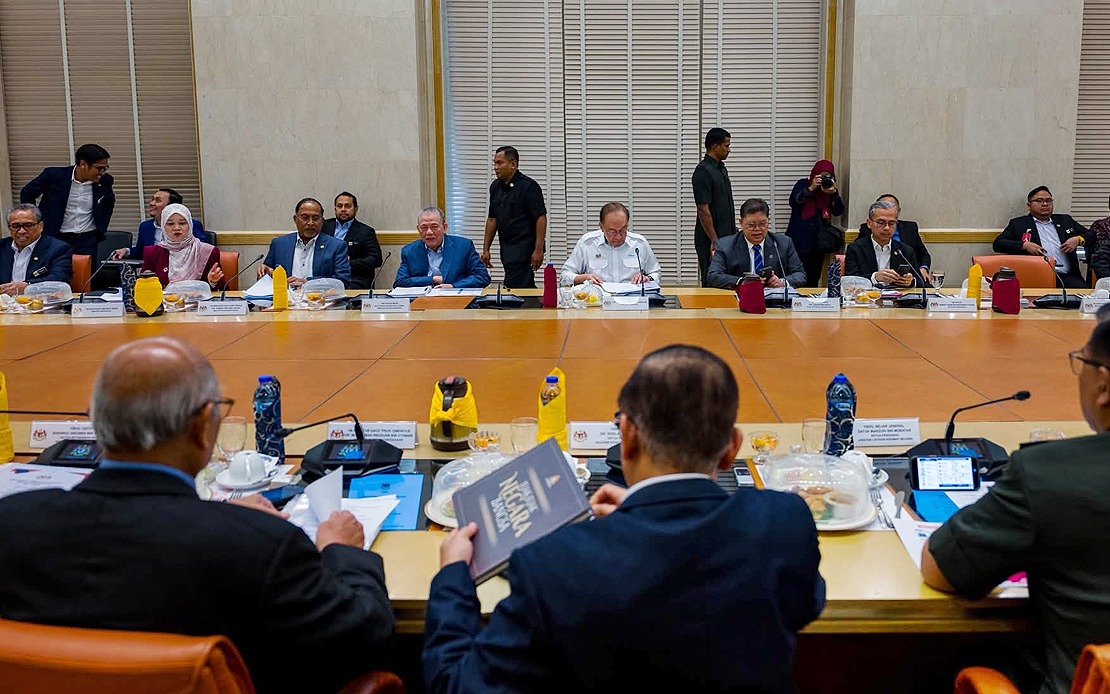
Prime Minister Datuk Seri Anwar Ibrahim has made a fresh call for the systematic cultivation of nationhood values, positioning them as indispensable to Malaysia's long-term development and international standing. Speaking after chairing a Dewan Kenegaraan Board of Governance Meeting, Anwar articulated a vision where deeply rooted national consciousness translates into individuals equipped with robust moral frameworks and unwavering commitment to the country's collective interests.
The Prime Minister's emphasis reflects a strategic pivot toward nation-building through values-based architecture rather than purely institutional measures. By anchoring development in principles of identity, integrity and ethical conduct, Anwar's approach acknowledges that sustainable national progress requires citizens who internalise patriotic sentiment and demonstrate principled behaviour across public and private spheres. This philosophy resonates with contemporary challenges facing Malaysia, where social fragmentation, political polarisation and erosion of institutional trust demand reinforcement at the foundational level of shared values and mutual respect.
Central to this agenda is the National Service Training Programme (PLKN), which Anwar highlighted as demonstrating encouraging momentum and garnering positive reception from both participants and their families. The programme's renewed significance within the government's priorities signals recognition that structured, intensive exposure to shared national experience can galvanise youth commitment to collective nation-building. Beyond rudimentary military-style training, PLKN functions as a crucible where young Malaysians from diverse ethnic, religious and socioeconomic backgrounds interact, forge bonds and absorb lessons in discipline, cooperation and civic responsibility.
Anwar's framing of PLKN as a platform for cultivating identity, discipline and resilience addresses concerns that Malaysia's increasingly segmented society risks losing common ground among its diverse populace. By bringing together youth from different communities in structured settings, the programme potentially fosters organic understanding and mutual appreciation that formal policy proclamations alone cannot achieve. For Southeast Asia's most multicultural democracy, such initiatives carry particular weight in maintaining social cohesion amid competing narratives and competing loyalties.
The Prime Minister also underscored the role of the Nationhood Fellows initiative in mobilising prominent figures and thought leaders across sectoral and ideological lines to contribute strategic thinking toward nation-building priorities. This approach leverages intellectual capital and institutional experience from diverse constituencies to develop consensus around shared national objectives. By convening statesmen and prominent personalities irrespective of their backgrounds, the initiative aims to transcend partisan divisions and focus collective energy on long-term developmental goals that transcend electoral cycles.
For Malaysian readers and observers across Southeast Asia, Anwar's emphasis on nationhood values carries several implications. First, it suggests the government views social cohesion and national identity as prerequisite conditions for economic development and democratic stability, rather than secondary considerations. Second, it signals investment in youth engagement and character formation as strategic priorities, implying concern about generational transmission of national consciousness. Third, the inclusive framing of the Nationhood Fellows indicates openness to cross-factional collaboration on matters deemed essential to national interest.
The timing of these statements reflects broader global and regional currents. As authoritarian models gain traction in parts of Asia and liberal democracy faces credibility challenges worldwide, Malaysia's articulation of values-based nation-building offers a distinctly democratic alternative grounded in voluntary consent and shared civic responsibility rather than coercive uniformity. This approach aligns with Malaysia's constitutional foundations and multicultural commitments while addressing legitimate concerns about social fragmentation.
Implementation challenges remain substantial. Converting rhetorical commitment to nationhood values into sustained behavioural change across diverse populations requires coordinated effort across educational institutions, civil service, media and community organisations. The PLKN programme's success depends on programme quality, participant engagement and post-programme reinforcement mechanisms that sustain internalized values over time. Similarly, the Nationhood Fellows initiative must translate intellectual consensus into concrete policy actionable items and measurable outcomes.
For Malaysia's standing in regional and global contexts, the emphasis on values-based nation-building distinguishes the country's development model. As Southeast Asian nations grapple with rising economic nationalism, identity politics and external pressures, Malaysia's deliberate cultivation of shared values and inclusive nation-building offers a counterweight to fragmentary forces. The success of these initiatives will likely influence how other multicultural democracies in the region approach their own challenges of maintaining unity amid diversity.
The broader strategic calculus underlying Anwar's statements suggests recognition that Malaysia's competitive advantages in the regional economy and geopolitical landscape depend fundamentally on social stability, institutional reliability and demonstrated commitment to shared national purpose. In an era where talent and investment flows increasingly seek destinations with strong social foundations and clear national direction, the government's investment in values-based nation-building represents pragmatic national interest alongside idealistic aspirations for a cohesive, progressive society.

