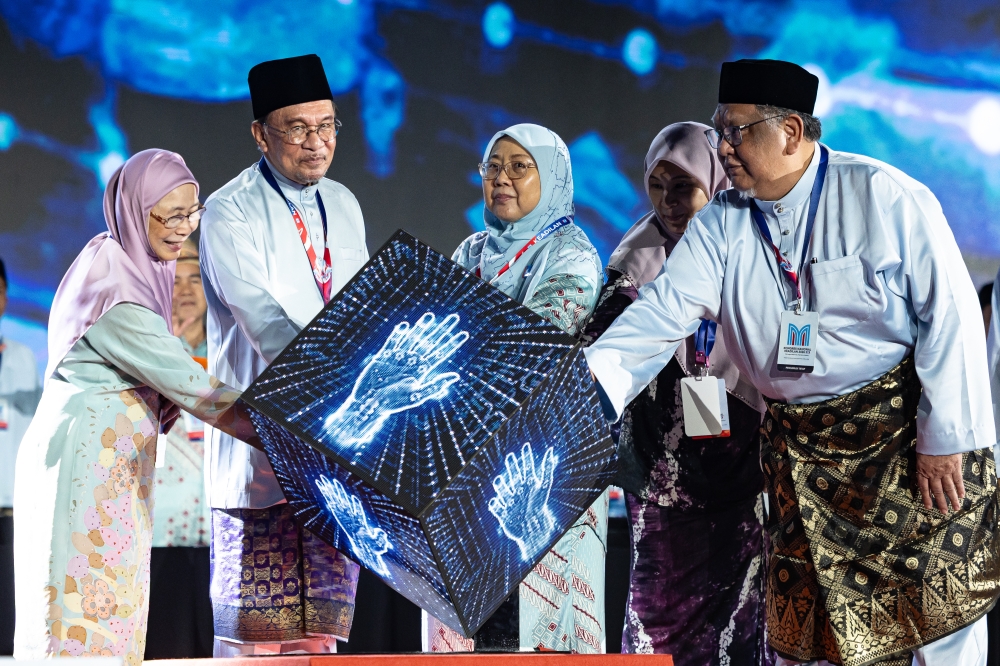
Prime Minister Datuk Seri Anwar Ibrahim has pushed back against suggestions that the Madani government practices regional discrimination in its fiscal distribution, using expanded allocation figures to counter the narrative that federal resources flow disproportionately to ruling coalition strongholds. Speaking in Melaka on August 15, Anwar presented data suggesting the administration has markedly elevated financial support to Sabah and Sarawak—the nation's resource-rich East Malaysian territories—as well as to Kedah and Kelantan, both governed by opposition parties, demonstrating what he characterised as an equitable approach to national development financing.
The Prime Minister's comments arrive amid persistent criticism from political opponents and certain civil society observers who have questioned whether the current administration's budget priorities reflect genuine equity or strategic positioning ahead of potential electoral contests. The allegation of uneven resource distribution has become a recurring theme in Malaysian political discourse, particularly as states vie for infrastructure investment, education funding, and healthcare resources. By citing concrete increases for both states outside federal coalition control and peninsular territories with opposition administrations, Anwar sought to establish credibility on the fairness principle that underpins his administration's stated development philosophy.
Sabah and Sarawak occupy distinctive positions within Malaysia's federal framework. As the only two states with written agreements preserving substantial autonomy over certain policy domains and possessing significant hydrocarbon revenues, they have historically maintained distinct relationships with the federal government. The enhanced allocations to these territories signal the Madani administration's recognition of the political and economic importance of maintaining stability in East Malaysia, where federal coalitions depend heavily on support from regional parties and where resource-sharing agreements remain sensitive political matters. Increased federal funding demonstrates an effort to supplement state revenues and address development disparities that persist in certain East Malaysian constituencies.
Kedah and Kelantan's inclusion in Anwar's fiscal equity narrative carries separate significance. These northern peninsular states have been governed by the opposition Perikatan Nasional coalition, creating a political dynamic where the federal government—controlled by the Pakatan Harapan-led Madani coalition—must navigate tensions between party affiliation and constitutional obligations to equitable distribution. The inclusion of opposition-governed states in increased allocation lists potentially serves multiple political functions: it demonstrates administrative impartiality, it forestalls accusations of partisan budget-making, and it may cultivate goodwill with state administrations that could facilitate smoother policy implementation or cooperation on national initiatives.
Malaysia's federal allocation system operates through complex formulae that consider population size, land area, development indicators, and historical baseline funding levels. Within this framework, the federal government has discretionary power regarding infrastructure grants, special development programmes, and targeted interventions that can supplement standard revenue-sharing mechanisms. The Madani administration's approach appears to involve leveraging these discretionary elements to demonstrate fiscal responsiveness to diverse regional constituencies, ensuring that no state or region can credibly claim systematic neglect by the federal centre.
The broader context illuminates why these allocation announcements matter beyond mere budgetary figures. Malaysia's subnational politics have grown increasingly fragmented since 2018, with opposition parties controlling multiple states across Peninsular Malaysia and East Malaysia exhibiting complex, sometimes fluid electoral dynamics. In this environment, federal resource distribution becomes not merely an administrative function but a political statement about the legitimacy and reach of central authority. By visibly increasing allocations to territories outside its immediate political control, the Madani government addresses a vulnerability that plagues centralised systems: the perception that state governments opposed to the federal coalition face disadvantage in accessing national resources.
Anwar's defence of the allocation framework also reflects international pressures and domestic expectations regarding transparent governance. Increasingly, Malaysian citizens and international observers scrutinise government spending distributions, using them as indicators of institutional fairness and democratic health. Accusations of regional bias or partisan allocation can damage a government's credibility and create incentives for political opposition in neglected areas. By preemptively highlighting increased spending in potentially disadvantaged regions, the Prime Minister attempts to shape public discourse around his administration's fiscal priorities and forestall opposition narratives suggesting deliberate regional disadvantaging.
The significance of these allocations extends beyond immediate political calculation into questions of national cohesion and development equity. East Malaysia has historically received lower per-capita federal investment than many Peninsular regions, despite possessing valuable resources and substantial geographical challenges affecting infrastructure and service delivery. Kedah and Kelantan, whilst economically more developed than certain East Malaysian territories, contain pockets of poverty and underdevelopment requiring targeted investment. Enhanced federal allocations to these areas, whether motivated by political necessity or development principle, can genuinely improve service delivery and reduce regional inequality if appropriately directed and efficiently managed.
However, the distinction between announced allocations and actual expenditure remains critical. Malaysian fiscal tracking has occasionally revealed gaps between budgeted allocations and on-ground implementation, with projects delayed, modified, or reallocated during execution phases. The credibility of Anwar's equity claims ultimately depends on whether announced increases translate into visible improvements in education facilities, healthcare infrastructure, road connectivity, and economic opportunity in recipient regions. Regional constituencies will evaluate the Madani government not merely on allocation announcements but on tangible developmental outcomes that affect daily living standards.
The allocation announcements also underscore Malaysia's ongoing challenge in balancing centralised fiscal policy with federal principles that nominally grant states significant autonomy. Whilst the federal government controls major revenue sources and exercises substantial redistributive power, state governments maintain responsibility for implementing many federal programmes and delivering promised services. The success of enhanced allocations depends partly on cooperation between federal and state administrations, requiring coordination mechanisms that function effectively even when political affiliations differ.
Moving forward, the Madani government faces continued scrutiny regarding its resource distribution consistency. Opposition parties will likely monitor whether increased allocations to Kedah, Kelantan, Sabah, and Sarawak continue across successive budget cycles or diminish, with such patterns interpreted as evidence of political calculation. Simultaneously, other states not mentioned in recent allocation increases may demand similar consideration, expanding the fiscal equity debate. The Prime Minister's August 15 remarks represent an attempt to anchor his administration's equity credentials in concrete data, though sustaining this position requires persistent demonstration through both allocation patterns and implementation outcomes across Malaysia's diverse regions.

