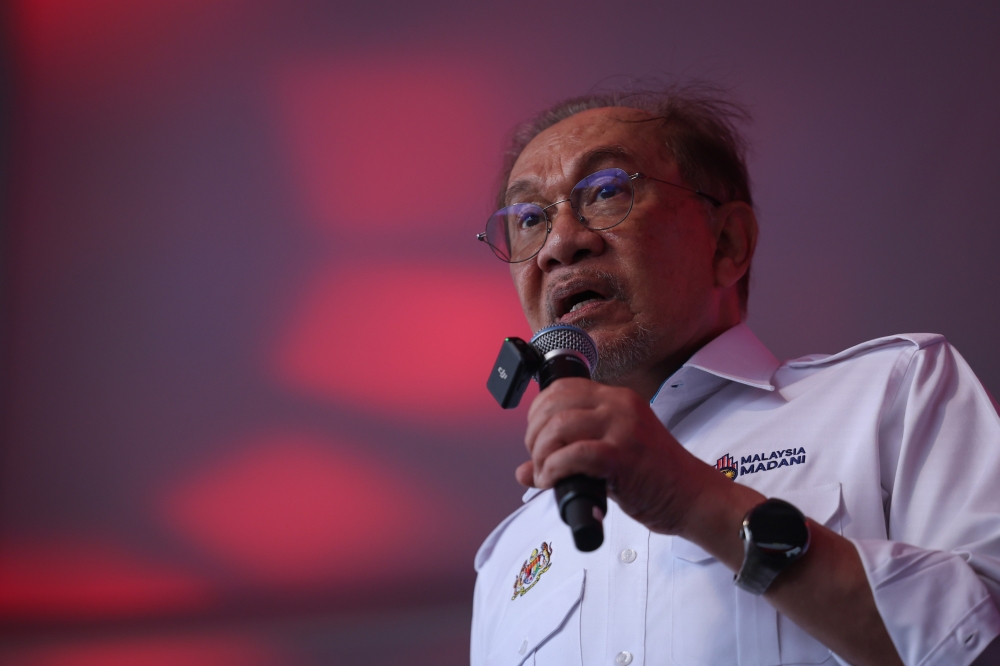
Prime Minister Datuk Seri Anwar Ibrahim has launched a scathing attack on the opposition Perikatan Nasional, charging that the coalition has turned its back on Tabung Haji depositors by withdrawing from a crucial parliamentary debate on a Royal Commission of Inquiry. The accusation came after opposition lawmakers abandoned the legislative chamber during discussions over the establishment of the RCI, a commission tasked with investigating the troubled pilgrimage fund. The timing of the walkout, during a matter affecting millions of Malaysian Muslim depositors, underscores deepening political tensions surrounding one of the country's most contentious financial scandals.
Tabung Haji, officially known as Lembaga Tabung Haji, has faced sustained scrutiny following revelations of significant losses and mismanagement that have devastated the savings of countless Malaysians preparing for the Hajj pilgrimage. The fund's troubles have become a lightning rod for public discontent, particularly among the Malay-Muslim community, which comprises the bulk of depositors. The establishment of an RCI represents a significant step toward accountability, as it grants investigators wider powers to summon witnesses and examine documents than standard parliamentary inquiries. For depositors seeking answers about missing funds and poor investment decisions, the commission offers a rare opportunity for independent scrutiny and potential recovery mechanisms.
The opposition's departure from the chamber represents a calculated political manoeuvre with potentially serious ramifications. By absenting themselves from the debate, opposition MPs effectively ceded the parliamentary floor to government speakers, allowing the ruling coalition to shape the narrative around the inquiry without facing direct challenge or counter-argument. This tactical withdrawal strips the legislative process of the adversarial scrutiny that opposition participation provides, potentially weakening the RCI's legitimacy in the eyes of a sceptical public. For Malaysian voters already struggling with trust in political institutions, such parliamentary theatrics compounds the perception that opposition lawmakers prioritise partisan advantage over the interests of affected citizens.
Anwar's characterisation of the walkout as abandonment carries particular weight given the emotional resonance of Tabung Haji among ordinary Malaysians. The fund symbolises religious devotion and financial prudence for millions who have dutifully set aside savings for one of Islam's five pillars. When those savings evaporate through what many view as corporate negligence or deliberate misappropriation, it strikes at both spiritual and material security. The opposition's absence from the RCI debate can therefore be read as indifference to this constituency's suffering, a messaging problem that opposition strategists may have underestimated. The prime minister's swift public condemnation ensures the walkout becomes a defining image of opposition priorities.
The political context surrounding Tabung Haji transcends routine fund management disputes. Previous administrations faced accusations of allowing the fund to invest in speculative ventures, including property projects and equity stakes in troubled companies, decisions that enriched politically connected entities while eroding depositor protections. An effective RCI could expose networks of influence and beneficiaries, creating political liability for various quarters across the parliamentary spectrum. The opposition's reluctance to participate fully in the RCI debate might reflect anxiety about which political figures could face scrutiny, a consideration that Anwar's rhetoric pointedly highlights by framing non-participation as a betrayal of depositors rather than a legitimate parliamentary tactic.
The establishment of the RCI itself represents a victory for transparency advocates and depositor groups who have campaigned relentlessly for independent investigation. Royal Commissions in Malaysia carry investigative powers superior to parliamentary select committees, including authority to examine privileged communications and compel testimony under oath. The commission's recommendations, while not legally binding on the government, carry moral and political weight that can force policy changes. However, the effectiveness of any such inquiry depends partly on public confidence that it operates independently and that its findings will lead to concrete action. Opposition participation in preliminary parliamentary debates helps establish this legitimacy, making their absence a setback for public confidence.
For depositors across Malaysia and abroad, the RCI represents the culmination of years of activism and frustration. Tabung Haji's investment portfolio deteriorated significantly during the late 2010s and early 2020s, with losses mounting as the fund held stakes in problematic ventures. Depositors have reported delayed withdrawals, reduced allocations, and opaque communication from management about where their money went. Some have alleged that the fund prioritised loan recovery from debtors over meeting withdrawal obligations to ordinary account holders. An RCI with full parliamentary backing sends a signal that these concerns warrant serious investigation, while a fractured parliament sends the opposite message.
The walkout also highlights broader fragmentation within opposition ranks. Perikatan Nasional, which includes the Islamist PKS, might have calculated that remaining in the debate could create awkward questions about their own party's historical involvement in Tabung Haji governance or their current policy alternatives. Departing the chamber allows them to avoid direct confrontation on these records while positioning the act as a protest against the RCI's scope or composition. Yet this strategy backfires if, as Anwar suggests, it appears that opposition MPs prioritise factional advantage over addressing a crisis affecting millions of their constituents, particularly Muslim voters who would naturally expect strong opposition advocacy on this issue.
Moving forward, the government-led RCI will proceed without formal opposition input during parliamentary deliberations, though opposition members may still submit memoranda or participate in subsequent public consultations. The commission's findings could reshape accountability mechanisms within Tabung Haji and potentially trigger criminal investigations into senior officials. Whether the inquiry gains sufficient public credibility to drive meaningful reform hinges partly on how Malaysians interpret the opposition's absence. Anwar's pre-emptive framing of the walkout as depositor abandonment sets the terms of this interpretation, potentially inflicting lasting political damage on opposition credibility regarding Islamic financial governance, an area where opposition parties have traditionally sought to differentiate themselves as champions of Muslim interests.
The Tabung Haji controversy illustrates how faith in financial institutions intersects with political legitimacy in Malaysia. Millions of depositors view their contributions as religious obligation combined with prudent saving, making fund mismanagement not merely a financial question but a breach of sacred trust. Any political faction perceived as indifferent to this betrayal faces profound electoral consequences among Muslim voters. Anwar's criticism of the opposition's parliamentary withdrawal thus speaks to a fundamental principle: that religious and community interests transcend partisan maneuvering. Whether opposition parties can recover from this messaging challenge will depend on their capacity to articulate an alternative vision for Tabung Haji reform and to demonstrate that their absence served a principled purpose rather than expedience.

