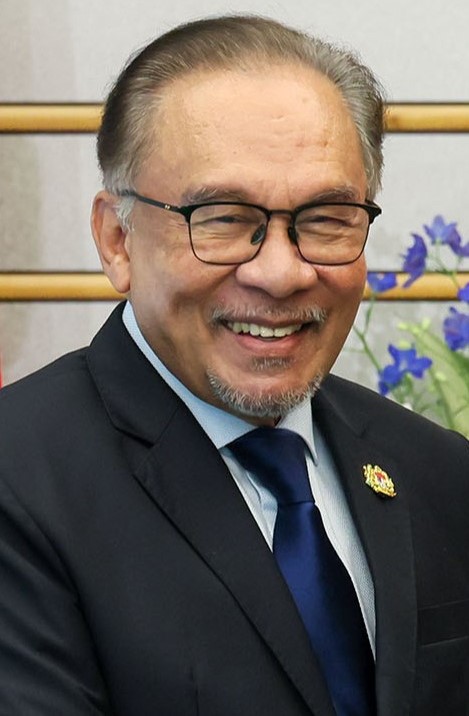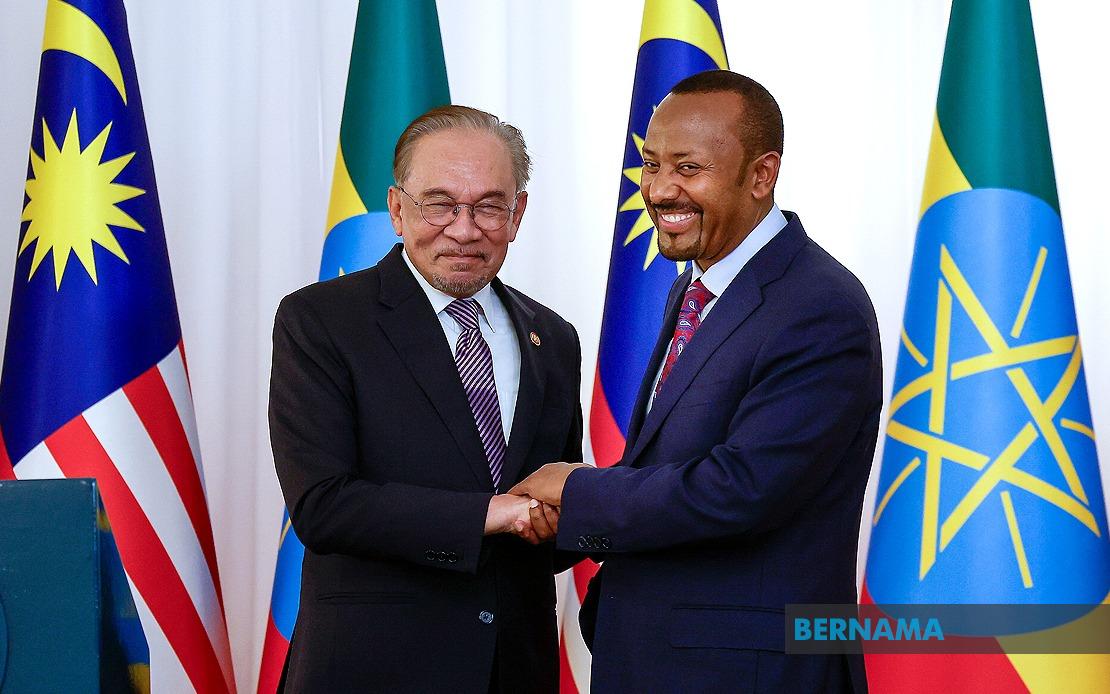
Prime Minister Datuk Seri Anwar Ibrahim has formally congratulated Ethiopian Prime Minister Abiy Ahmed Ali and the Prosperity Party following their triumph in the country's recent general election. In a statement posted on social media, the Malaysian leader reaffirmed the growing bond between Kuala Lumpur and Addis Ababa, positioning Ethiopia as a strategic partner in Malaysia's broader African engagement strategy.
Anwar's message comes in the wake of his groundbreaking visit to Ethiopia last year, which marked the first time a sitting Malaysian prime minister had travelled to the East African nation. The visit represented a significant diplomatic milestone and signalled Malaysia's intention to expand its presence and influence on the African continent beyond traditional economic partnerships. During that journey, Anwar engaged in substantive discussions with Abiy, establishing what appears to be a foundation of mutual understanding and shared vision between the two leaders.
In his congratulatory statement, the Prime Minister reflected on the substantive nature of his exchanges with Abiy, noting that their conversations revealed parallel perspectives on global geopolitics and the role of developing nations. Anwar specifically highlighted the concept that nations of the Global South possess considerable potential when they collaborate on equal footing, rather than accepting hierarchical arrangements that have historically characterised North-South relations. This framing reflects Malaysia's broader diplomatic posture, which increasingly emphasises South-South cooperation as an avenue for advancing shared interests.
The timing of Anwar's message underscores Malaysia's strategic calculations regarding African partnerships. Ethiopia, as the continental headquarters of the African Union and a nation of over 120 million people, occupies a crucial position in continental affairs. Its political stability and trajectory carry implications that extend well beyond its borders, influencing regional dynamics in the Horn of Africa and broader African development patterns. By positioning Ethiopia as an important partner, Malaysia signals its intention to engage with Africa's institutional architecture and influential states.
Anwar's recognition of Abiy's electoral success also reflects Malaysia's diplomatic alignment with the Ethiopian leader during a period of significant internal challenges. Ethiopia has navigated considerable turbulence in recent years, including a devastating civil conflict that concluded with a peace agreement. The stability signified by the Prosperity Party's election victory represents a potential turning point for the nation's recovery and development agenda. Malaysian engagement during this period demonstrates Kuala Lumpur's commitment to supporting African nations through their transformative phases.
The Malaysian Prime Minister's emphasis on initiatives set in motion during his previous visit suggests concrete collaborative frameworks are already taking shape between the two governments. Though specific details remain undisclosed in the public statement, such initiatives could encompass economic cooperation, educational exchanges, diplomatic coordination, or knowledge-sharing arrangements in areas where Malaysia possesses expertise. The reference to "carrying it forward together" implies that bilateral momentum is expected to accelerate rather than plateau.
Malaysia's deepening engagement with Ethiopia must be understood within the context of broader African outreach. As African nations increasingly assert their agency in global affairs and regional integration intensifies, Southeast Asian countries including Malaysia are recalibrating their external relations to capture emerging opportunities. Africa's combined population, resource base, and market potential present significant attractions for regional powers seeking to diversify partnerships and reduce dependence on traditional Western and Asian trading blocs.
For Malaysian policymakers, the relationship with Ethiopia carries particular weight given the latter's convening power within African forums. Strengthening ties with Addis Ababa facilitates Malaysia's broader engagement with the African continent and its ability to project influence on international issues ranging from trade negotiations to climate action and security cooperation. The African Union's location in the Ethiopian capital ensures that bilateral relations can be leveraged for multilateral advantage.
Abiy Ahmed's Prosperity Party, which has governed since 2018, represents a reformist political force within Ethiopia. The party's electoral validation suggests continuity in the economic and political reform agenda that has characterised recent years. This alignment creates a stable foundation for Malaysia-Ethiopia cooperation, as both nations can rely on consistent leadership and policy direction. The Prosperity Party's victory also indicates public support for the administration's efforts to rebuild national institutions and pursue development objectives following the civil conflict.
The geopolitical dimensions of Malaysia's Ethiopia engagement extend to competition for influence among major powers seeking African partnerships. China and India have established substantial footprints across Africa through infrastructure investment and trade expansion. As these powers consolidate positions on the continent, countries like Malaysia must develop differentiated value propositions to attract African governments' attention. Malaysia's emphasis on South-South solidarity and equal partnership offers a distinct diplomatic approach that resonates with many African nations' preferences for non-hegemonic engagements.
Looking forward, Anwar's congratulatory message establishes the political foundation for expanded cooperation between the two nations. The specific areas of collaboration will likely emerge over the coming months as technical discussions progress between relevant government ministries and agencies. Potential domains could include trade facilitation, investment promotion, capacity building in public administration, or coordination on international policy positions. The relationship's development will serve as a barometer for Malaysia's broader African strategy and its capacity to sustain engagement beyond initial diplomatic exchanges.