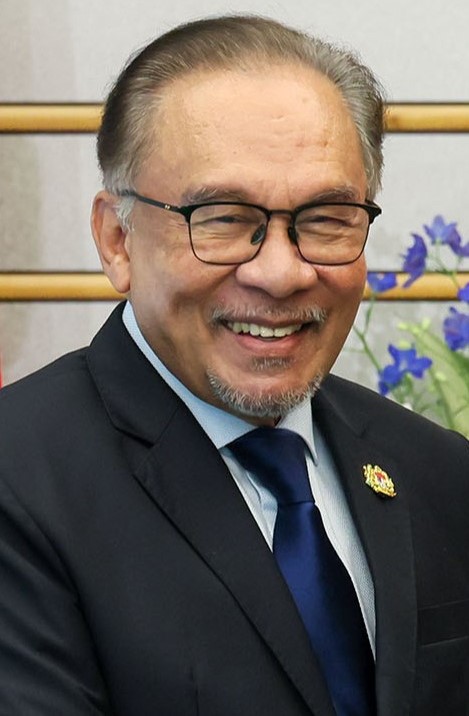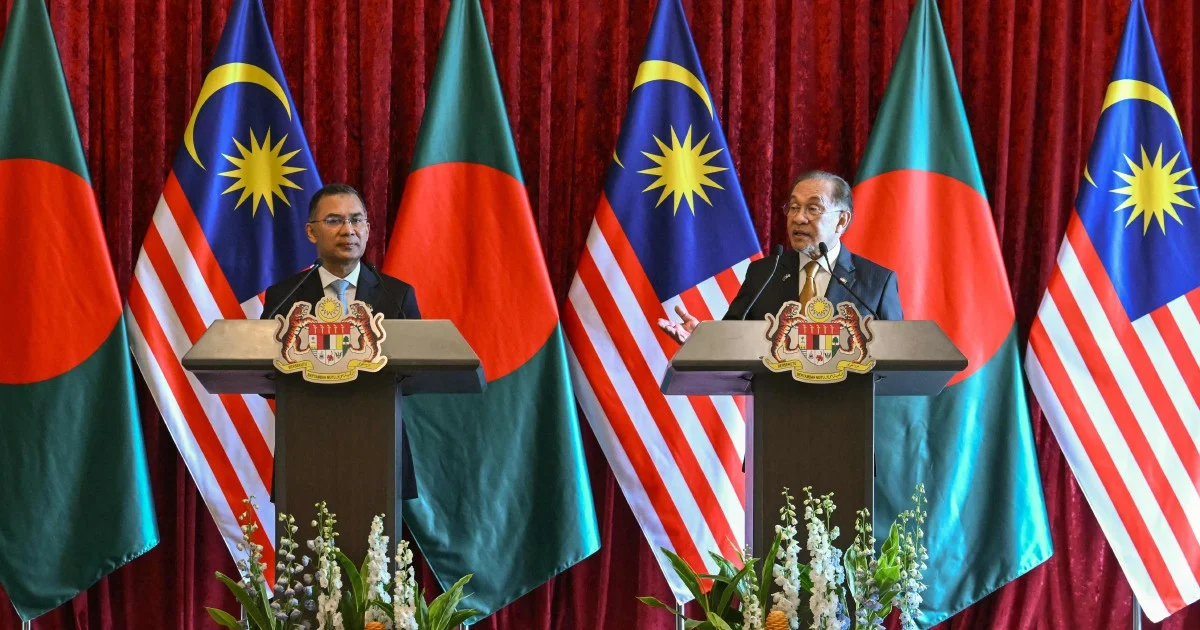
Prime Minister Datuk Seri Anwar Ibrahim has issued an unequivocal commitment to eliminate the systematic exploitation of Bangladeshi migrant workers, framing the issue as both a humanitarian imperative and an economic necessity for Malaysia's continued development. His remarks underscore growing concerns about the treatment of foreign labourers in the country, even as Malaysia depends heavily on their contribution to key sectors including construction, manufacturing, and domestic work.
Anwar's intervention signals that labour abuse cases involving Bangladeshi nationals have reached a level demanding direct political attention from the highest office. The Prime Minister characterised such exploitation as fundamentally unacceptable within Malaysia's framework, positioning worker protection as integral to the nation's credibility and standing in the international community. This framing moves beyond abstract principles of worker welfare to connect poor labour practices with tangible economic consequences, recognising that a nation's reputation as an employment destination affects its ability to attract and retain the foreign workforce it requires.
The Bangladeshi community constitutes one of Malaysia's largest migrant populations, with estimates suggesting over 400,000 documented workers and potentially a similar number in irregular status. These individuals predominantly labour in sectors that are foundational to Malaysia's infrastructure and economic output. Yet persistent reports of wage theft, unsafe working conditions, contract manipulation, and inadequate accommodation plague the sector, creating a disconnect between official policy and ground-level reality. The visibility of these abuses has intensified scrutiny both domestically and from international labour rights organisations.
Anwar's language—describing such conduct as something that "cannot be tolerated"—reflects a rhetorical shift toward zero tolerance positioning. This approach suggests forthcoming enforcement mechanisms or policy adjustments intended to demonstrate serious intent. However, translating political promises into measurable outcomes remains a persistent challenge in Malaysia's labour governance space. Enforcement agencies are often under-resourced, employers possess significant power imbalances, and migrant workers themselves face barriers to reporting, including fears of deportation or retaliation.
The Bangladesh government has maintained diplomatic pressure on Malaysia regarding worker conditions, recognising that remittances from overseas employment constitute a significant revenue stream for the home nation. When Malaysian workers face systematic abuse, it erodes confidence in the migration pathway and risks pushing workers toward competing destinations in the Middle East or other Asian economies. Anwar's pledge therefore carries diplomatic weight beyond Malaysia's borders, affecting bilateral relations with a neighbouring nation of over 170 million people.
One critical dimension involves distinguishing between formal policy commitments and the institutional capacity to enforce them. Malaysia possesses labour legislation that theoretically protects all workers, including foreigners, yet application remains inconsistent. Labour inspectorates require expansion, workplace auditing must intensify, and penalties for violators need calibration that genuinely deters abuse rather than representing merely a minor cost of doing business. Additionally, kafala-adjacent employment practices in Malaysia—where workers hold limited mobility and employer-dependent visa status—structurally enable exploitation regardless of stated protections.
The issue intersects with Malaysia's broader immigration management challenges. The tension between admitting migrant workers necessary for economic functioning and maintaining social cohesion has generated periodic public backlash. Positioning strong worker protections as a national priority could potentially help reframe migration in more positive terms, emphasising mutual benefit and shared responsibility rather than viewing foreign workers solely through security or social conflict lenses. This reframing may prove politically valuable as Malaysia navigates complex conversations about population and labour needs.
Anwar's commitment also reflects evolving international norms around corporate accountability and supply chain responsibility. Major international brands sourcing materials or services from Malaysia increasingly require evidence of ethical labour practices among suppliers and subcontractors. Systematic exploitation of Bangladeshi workers creates reputational risks for Malaysia-based companies and potentially threatens commercial relationships. The Prime Minister's pledge can thus be understood partly as protective of Malaysia's commercial interests in global trade networks that increasingly demand labour standards compliance.
Implementation will require coordination across multiple agencies, from the Ministry of Human Resources through the immigration service and relevant enforcement bodies. Labour courts and dispute resolution mechanisms require strengthening to handle worker complaints expeditiously. Additionally, a substantive role for civil society organisations in monitoring and reporting violations could supplement state capacity. Some successful models in other countries have involved independent monitoring bodies with both government and NGO participation, creating checks against corruption and improving accountability.
Looking forward, the effectiveness of Anwar's pledge will be measured through concrete indicators: the frequency and outcomes of workplace inspections, prosecution rates for violators, wage recovery for aggrieved workers, and ultimately, improved conditions reported in periodic surveys of migrant worker populations. Malaysia's reputation as a responsible employment destination depends on closing the gap between official protections and lived experience. For Bangladeshi workers considering migration, for the Bangladesh government evaluating bilateral relationships, and for international observers assessing Malaysia's governance standards, following through on such commitments carries substantial significance. The coming months will reveal whether this high-level political backing translates into systemic improvements or remains primarily rhetorical positioning.