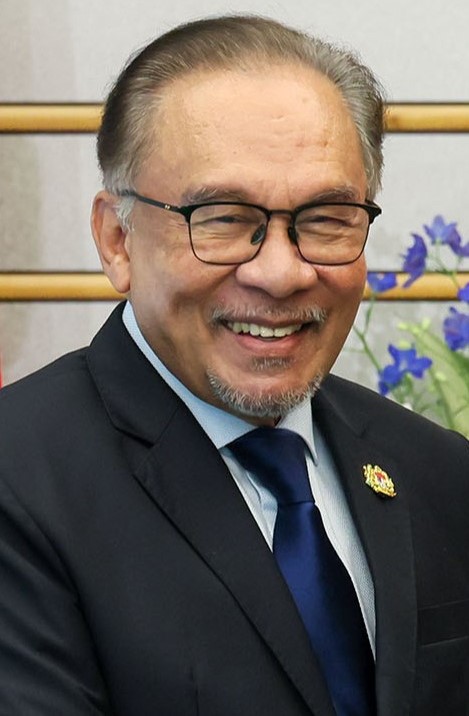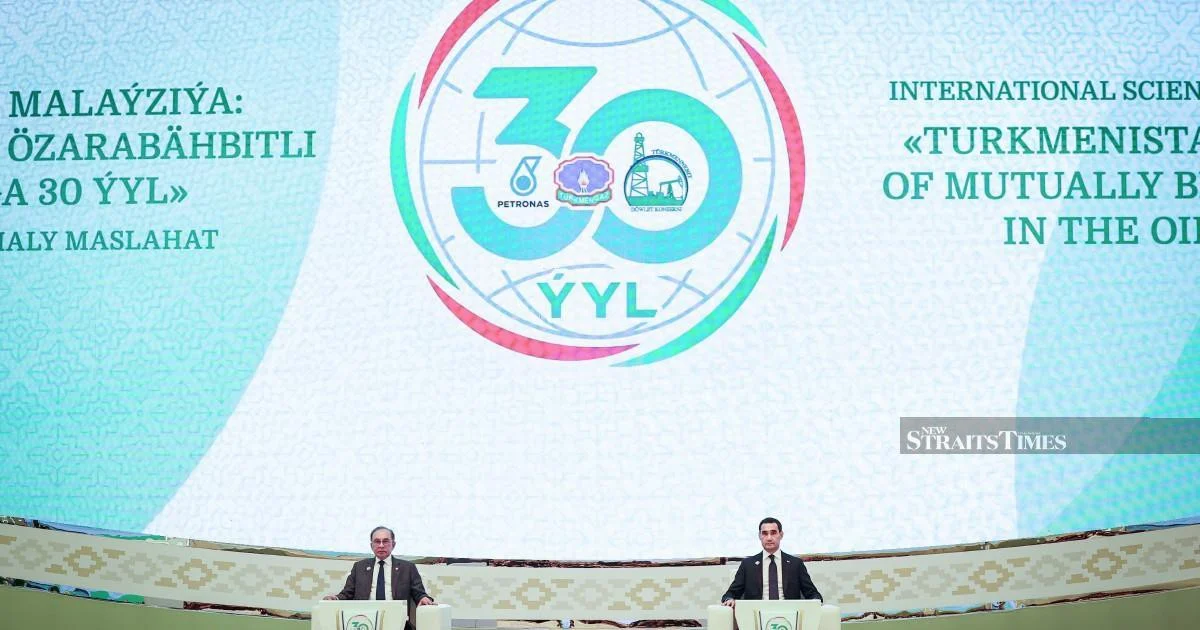
Prime Minister Datuk Seri Anwar Ibrahim's recent diplomatic tour through Russia and Turkmenistan has yielded tangible results for Malaysia's energy sector, signalling a deliberate pivot towards diversifying the nation's petroleum supplies beyond traditional sources. The high-level engagements represent more than ceremonial state visits; they underscore Malaysia's pragmatic approach to securing long-term fuel stability amid global energy market volatility and geopolitical uncertainties that continue to reshape international commerce.
Malaysia's historical reliance on conventional energy sources has left the nation vulnerable to supply disruptions and price fluctuations beyond its control. The breakthroughs secured during Anwar's itinerary address this structural weakness by establishing fresh commercial channels with two major hydrocarbon exporting nations. Russia, despite facing international sanctions related to its invasion of Ukraine, remains one of the world's largest oil and natural gas producers, while Turkmenistan possesses substantial proven reserves particularly in natural gas. For Malaysia, cultivating relationships with these suppliers offers an alternative pathway to mitigate risks inherent in concentrated sourcing arrangements.
The timing of these diplomatic overtures carries strategic significance within the broader context of Southeast Asian energy dynamics. Regional powers are increasingly positioning themselves to negotiate favourable terms with established energy producers, recognising that energy security directly influences economic competitiveness and industrial growth. Malaysia's proactive engagement demonstrates that Anwar's administration is taking deliberate steps to strengthen the nation's negotiating position in global energy markets, particularly as demand from expanding economies continues to outpace supply growth in certain commodity categories.
Turkmenistan's strategic location along the Central Asian energy corridor makes it particularly valuable for Malaysia's longer-term energy planning. The nation possesses vast natural gas reserves, some among the world's largest, yet historically struggled to develop export infrastructure and market access. A strengthened relationship between Kuala Lumpur and Ashgabat could eventually facilitate liquefied natural gas procurement arrangements, offering Malaysia additional fuel diversification options while providing Turkmenistan with a stable customer base in Southeast Asia. Such arrangements typically involve multi-year commitments, underlining the commercial substance of these negotiations rather than mere diplomatic posturing.
Russia's role within Malaysia's energy strategy requires careful calibration given the complex international environment surrounding Moscow. Despite Western sanctions regimes, Russia continues selling energy commodities through established channels, and several major Asian economies maintain commercial relationships with Russian energy firms. Malaysia's engagement reflects a pragmatic assessment that energy security transcends geopolitical allegiances, though such positioning demands sophisticated diplomatic management to maintain relationships with traditional Western partners while pursuing legitimate commercial interests with alternative suppliers.
The domestic implications for Malaysian consumers and industries merit attention. Enhanced energy procurement arrangements potentially provide price stability benefits if supply contracts include provisions insulating Malaysia from extreme market volatility. Manufacturing sectors dependent on stable energy costs—petrochemicals, steel production, electronics—stand to benefit from reduced fuel price uncertainty. Additionally, securing reliable hydrocarbon supplies supports Malaysia's existing natural gas infrastructure and power generation capacity, enabling sustained industrial output without artificial energy constraints.
From a regional perspective, Malaysia's energy diplomacy sends signals about Southeast Asia's evolving approach to global supply chain management. Rather than accepting passive consumer status, nations within the region are actively cultivating direct relationships with major producers, often bypassing traditional intermediaries. This pattern reflects broader regional maturation and growing confidence in bilateral engagement. Neighbouring countries including Indonesia and Vietnam are similarly pursuing diversified energy sourcing strategies, suggesting a collective regional understanding that energy independence constitutes a prerequisite for sustainable economic development.
The petroleum and gas sector remains foundational to Malaysia's economy despite decades of diversification efforts. Petronas, the national oil company, generates substantial government revenue and employs thousands directly and indirectly. New supply arrangements could enhance Petronas's operational flexibility, enabling the corporation to manage refining and distribution systems more efficiently while potentially improving margins through strategic purchasing practices. Enhanced energy availability also supports Malaysia's energy-intensive manufacturing base and supports the competitive positioning of downstream petrochemical industries.
Longer-term consequences of these partnerships extend beyond immediate commercial transactions. Establishing institutional frameworks for energy cooperation with Russia and Turkmenistan creates foundations for broader economic relationships encompassing technology transfer, investment collaboration, and technical expertise sharing. Energy partnerships frequently catalyse additional commercial connections as suppliers and purchasers develop mutual understanding and establish trust mechanisms. Malaysian companies could eventually gain opportunities within Russian and Turkmenistan energy sectors, while these nations' enterprises might pursue operations in Malaysia's oil and gas infrastructure.
The success of Anwar's diplomatic mission ultimately depends upon translating political agreements into binding commercial arrangements with clear implementation timelines and performance metrics. Energy partnerships require substantial capital investment, regulatory coordination, and sustained commitment from both parties. Malaysian policymakers must ensure that negotiated terms favour domestic consumers and industries while maintaining relationships with existing suppliers who remain important for portfolio diversification. The real measure of these breakthroughs will emerge over coming years as new supply arrangements become operational and tangible benefits flow through Malaysia's economy.