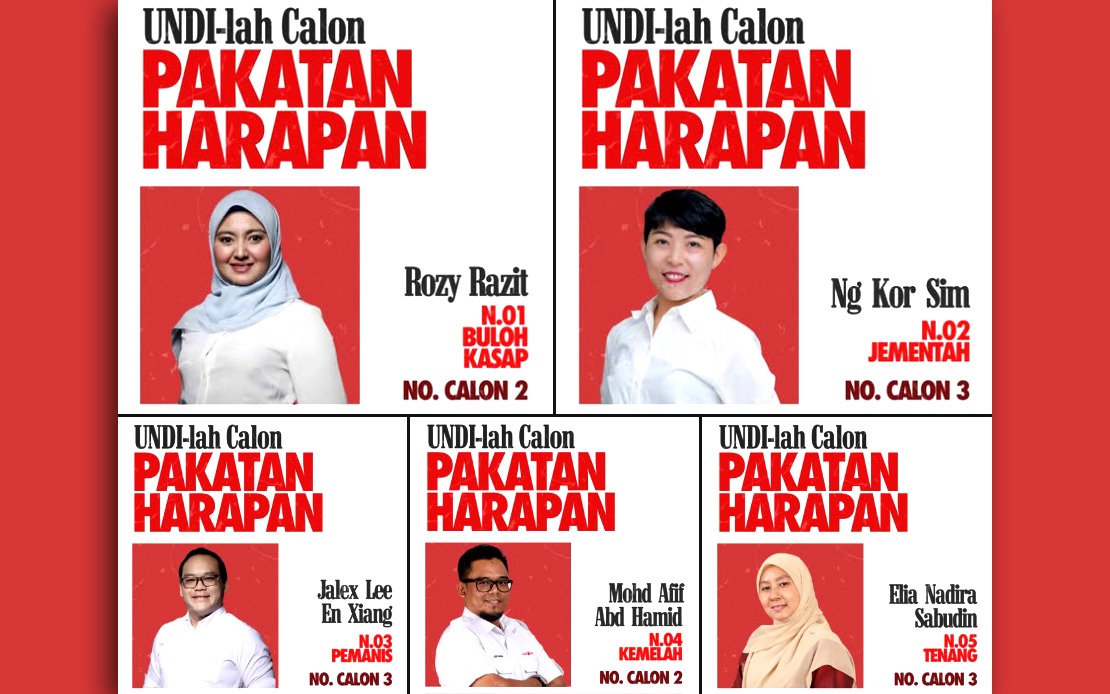
Prime Minister Datuk Seri Anwar Ibrahim has launched a personal appeal to the people of Johor, urging them to grant Pakatan Harapan the electoral mandate to lead the state for the coming five-year term. The PH chairman conveyed his message through a Facebook post on June 28, framing the election as a pivotal moment for voters in Malaysia's second-largest state by population. Anwar's appeal comes as the coalition prepares for a comprehensive electoral campaign across all 56 state assembly constituencies in Johor.
The prime minister's message carries particular weight given his position as both head of government at the federal level and chairman of the Pakatan Harapan coalition. His decision to personally engage Johor voters demonstrates the strategic importance the ruling coalition attaches to the state election, signalling that victory here would serve as a significant endorsement of PH's governance record at the national level. The timing of Anwar's appeal, coming just two weeks before polling day, reflects the coalition's effort to maintain momentum in the campaign.
In his statement, Anwar pledged that Pakatan Harapan would discharge its responsibilities with complete dedication and would not disappoint the electorate. This assurance appears designed to address concerns about political accountability and the delivery of campaign promises—issues that have animated Malaysian politics following the 2022 general election. By emphasising commitment and trust, Anwar sought to differentiate PH from other political groupings and establish a moral framework for evaluating the coalition's performance.
The prime minister grounded his appeal in religious principle by referencing Verse 58 of Surah An-Nisa from the Quran, which underscores the obligation to discharge trusts faithfully and to uphold justice. This invocation of Islamic teaching reflects the broader Malaysian political practice of embedding religious values in political messaging, particularly in states with large Muslim populations. The scriptural reference serves multiple purposes: it appeals to the religious sensibilities of Johor voters, frames the election in terms of moral duty, and positions PH as a coalition committed to principled governance rooted in spiritual foundations.
Packatan Harapan's decision to contest all 56 seats in the Johor state election represents a full-scale electoral engagement in the state. This comprehensive candidacy strategy indicates that the coalition views every constituency as potentially winnable territory and is unwilling to concede ground to rival political forces. The breadth of PH's electoral challenge across the state reflects its ambition to achieve a decisive victory that would strengthen its position nationally and provide political capital for implementing its policy agenda.
The election calendar has been structured to allow early voting on July 7, followed by the main polling day on July 11. This phased voting process accommodates various voter categories, including those who may be unable to vote on the primary polling date due to work or other commitments. The early voting provision is particularly significant for ensuring broad participation and reflects contemporary electoral administration practices in Malaysia aimed at enhancing voter turnout and accessibility.
For Malaysian observers and regional analysts, the Johor state election carries implications extending well beyond the state's borders. Johor is historically significant in Malaysian politics and serves as a bellwether for broader electoral trends. A strong PH performance would validate the coalition's governance narrative and could bolster confidence among investors and international observers regarding political stability. Conversely, a weaker-than-expected showing might embolden opposition parties and trigger internal discussions within PH about strategic direction and policy effectiveness.
The election also occurs against the backdrop of Malaysia's complex federal structure, where state governments retain substantial autonomy over land, Islamic affairs, and local economic development. Control of Johor thus provides significant leverage for policy implementation and resource allocation. For PH, securing the state would consolidate its position as the dominant political force in the peninsular heartland, complementing its already strong presence in other major states.
Anwar's personal engagement in the Johor campaign underscores the interconnection between federal and state politics in contemporary Malaysia. Prime ministers invariably invest political capital in significant state elections, and Johor's size and economic importance make it a contest that demands attention from the highest levels of government. The prime minister's appeal therefore represents not merely a campaign message but a statement about the centrality of the upcoming poll to national political development.

