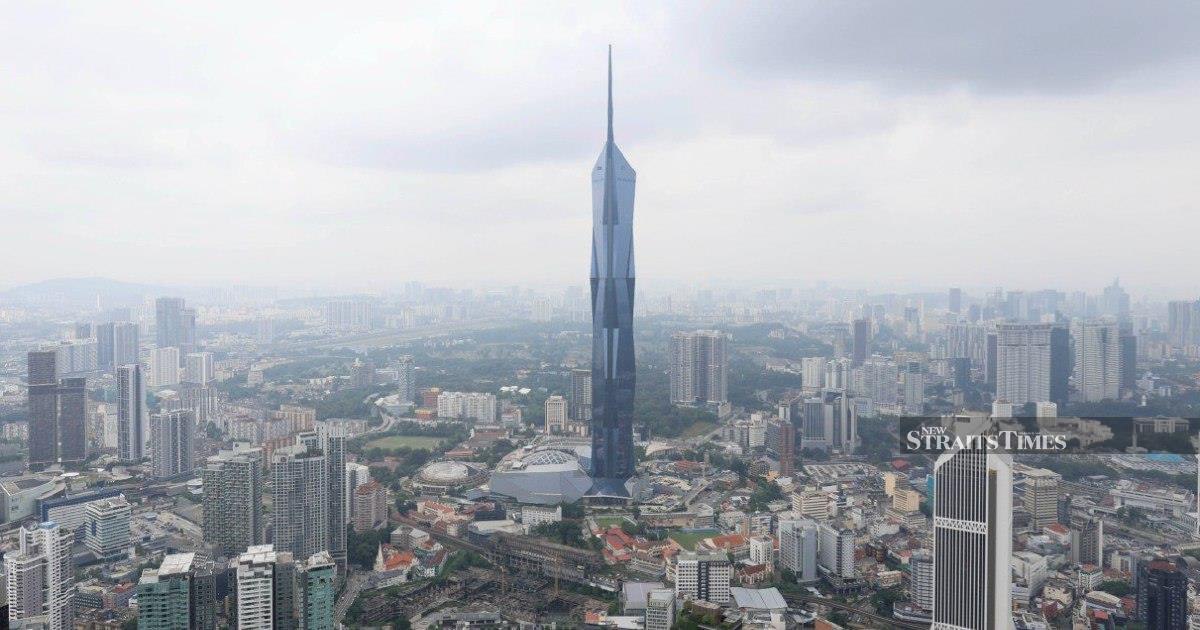
Prime Minister Datuk Seri Anwar Ibrahim has made a public appeal for Malaysians to offer prayers for relief from the haze that threatens to overshadow this year's National Day festivities on August 31. Speaking from Cyberjaya, the Prime Minister acknowledged the environmental challenge facing the nation and framed it as a matter requiring both collective spiritual effort and practical intervention.
The timing of Anwar's appeal underscores mounting anxiety within government circles about air quality deterioration during the crucial period leading up to the nation's annual commemoration. August typically coincides with the southwest monsoon season, when transboundary haze from regional agricultural burning becomes a recurrent problem affecting Malaysia and neighbouring countries. This year's situation appears sufficiently concerning to warrant direct intervention from the highest level of government.
National Day celebrations represent a focal point of Malaysian civic life, drawing participants and observers across the country for parades, cultural programmes, and communal gatherings that showcase national identity and unity. Poor air quality poses significant operational challenges to event organisers, potentially requiring the modification or relocation of outdoor activities, whilst also creating health risks for attendees. The public health dimension remains particularly acute given that haze exposure correlates with increased respiratory illnesses, hospital admissions, and mortality, especially among vulnerable populations including children, the elderly, and those with pre-existing conditions.
The Prime Minister's statement reflects a broader governmental acknowledgment that whilst Malaysia has invested substantially in air quality monitoring infrastructure and transboundary cooperation mechanisms, the haze problem remains stubbornly resistant to unilateral policy solutions. The phenomenon's origins across the region—particularly in Indonesia where peatland and forest fires constitute primary sources—necessitate coordinated regional responses that extend beyond Malaysia's borders and administrative capacity.
Malaysia's experience with severe haze events provides sobering precedent. The 1997–1998 crisis and subsequent episodes have demonstrated that air pollution can reach hazardous levels rapidly, forcing widespread disruptions to commerce, transportation, education, and daily life. Air quality index readings during peak haze episodes have climbed into the hazardous category, prompting government advisories recommending citizens avoid outdoor activities altogether and authorities to implement emergency response protocols.
Governmental responses typically combine preventive diplomacy with domestic mitigation efforts. These include diplomatic engagement with Indonesian counterparts regarding fire management and land-use practices, deployment of cloud-seeding operations when meteorological conditions permit, public communication campaigns urging citizens to adopt protective measures, and coordination with relevant agencies to ensure healthcare systems remain prepared for surge in respiratory-related cases.
The appeal for prayers reflects a culturally resonant approach to addressing environmental anxiety in a predominantly Muslim nation with substantial Hindu, Buddhist, Christian, and other faith communities. By invoking spiritual dimensions alongside practical governance measures, Anwar's statement acknowledges that environmental stewardship engages both material policy instruments and collective moral commitment to planetary wellbeing—a framing consistent with Islamic environmental teachings and broader interfaith environmental ethics.
From a Malaysian perspective, haze episodes carry economic implications extending beyond public health. Tourism sectors suffer as visitors postpone trips amid air quality concerns, outdoor industries face operational constraints, and businesses experience productivity losses when workforces are required to operate under health advisories. The aviation sector remains particularly vulnerable, with poor visibility occasionally necessitating flight diversions or cancellations that disrupt regional connectivity and impose substantial costs.
The fact that haze relief has become a matter engaging the Prime Minister's personal attention and spiritual entreaty signals how deeply this environmental challenge remains embedded within Malaysia's national consciousness. Despite decades of experience with recurring transboundary pollution, substantive progress toward permanent resolution remains elusive, keeping the issue persistently in public and governmental discourse.
Looking toward August 31, the success of National Day celebrations now hinges partially on atmospheric conditions beyond Malaysia's immediate control, a reality that encapsulates the country's environmental vulnerability within regional systems. Whilst prayers and diplomatic channels pursue improvement, event organisers likely develop contingency arrangements accommodating scenarios of persistent haze, demonstrating how environmental variables increasingly constitute integral considerations within major national planning exercises.
The appeal also underscores that environmental challenges in Southeast Asia demand sustained regional cooperation transcending bilateral relations, recognising that transboundary pollution respects no borders and affects populations across multiple jurisdictions irrespective of their contribution to causative factors. Malaysia's vulnerability to Indonesian haze patterns mirrors how regional environmental crises generate shared vulnerabilities requiring coordinated multilateral responses rather than isolated national strategies.

