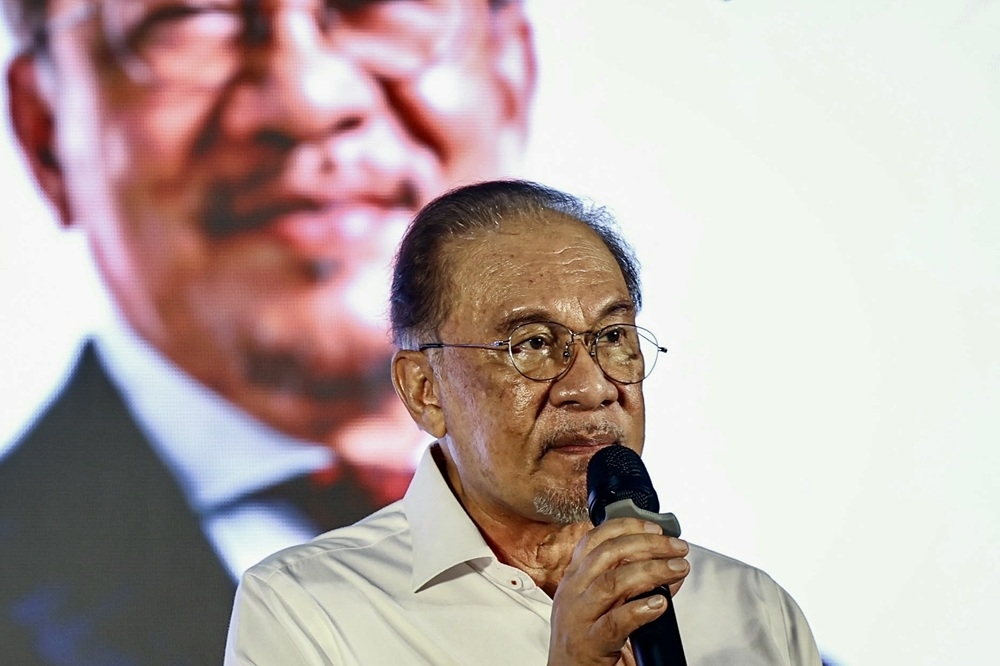
Prime Minister Datuk Seri Anwar Ibrahim has indicated that a comprehensive briefing on the deepening divisions within Melaka's Democratic Action Party chapter is still pending, though he has made clear that Pakatan Harapan's senior leadership intends to intervene decisively once full details emerge. The statement comes as factional tensions within the state party organisation continue to generate uncertainty within Malaysia's ruling coalition and raise questions about the stability of PH's support base in a crucial opposition-held state.
The Melaka DAP situation reflects broader challenges facing Pakatan Harapan as the coalition works to consolidate its hold on power following the 2022 general election. Melaka represents one of the party's historical strongholds, and internal conflict threatens to undermine both the party's grassroots cohesion and the coalition's ability to project unity ahead of potential future electoral contests. The nature of the fallout remains partly opaque, though sources have suggested disagreements over candidate selection, resource allocation, and leadership direction within the state party machinery.
Anwar's measured response—neither dismissing the issue nor committing to specific remedial steps immediately—reflects the delicate balance required when addressing internal party disputes within a coalition government. His indication that PH leadership will eventually act suggests the matter is receiving attention at the highest levels of the ruling coalition, even if formal briefings have not yet been completed. This approach allows time for fact-gathering while signalling that the situation will not be ignored indefinitely.
For Malaysian political observers, the Melaka DAP tensions underscore an enduring challenge for ruling coalitions in Malaysia's multi-ethnic, multi-party system. Pakatan Harapan comprises the DAP, the Parti Keadilan Rakyat, Amanah, and other component parties, each with distinct constituencies, organisational cultures, and internal power structures. Managing disputes within individual party chapters while maintaining coalition discipline requires careful coordination and strategic communication from top leadership.
Melaka's political landscape has been volatile in recent years. The state has seen leadership transitions and coalition realignments that have tested PH's unity. A fractious DAP state chapter could potentially weaken PH's position if unresolved grievances fester or if dissatisfied members become less motivated to campaign or mobilise voters. Conversely, heavy-handed intervention by federal PH leadership could spark accusations of favouritism or undermine internal party democratic processes, creating additional friction.
The timing of these internal disputes is significant. Although general elections are not imminent, political parties in Malaysia typically maintain continuous electoral readiness given the possibility of snap polls or state-level contests. A cohesive party apparatus is essential for rapid mobilisation. The DAP, as the largest Chinese-majority party and a numerically significant component of PH, carries particular weight in any coalition performance. Internal weaknesses there ripple across the entire ruling coalition's organisational capacity.
Anwar's framing also reflects his broader political strategy as Prime Minister. Since taking office, he has emphasised inclusivity, consensus-building, and orderly processes within government. Rushing to impose solutions on party disputes without full information could be perceived as impulsive or arbitrary—inconsistent with the image he has cultivated. By signalling that PH leadership will act following a thorough briefing, he frames the coalition as thoughtful and deliberative rather than reactive.
The briefing process itself carries significance in Malaysian political culture. Senior coalition partners expect to be fully informed about significant developments before decisions are announced. The fact that Anwar has not yet received comprehensive details suggests the matter is still being investigated or synthesised by relevant party and coalition structures. Once that process concludes, the coalition's response will likely reflect consultations among multiple stakeholder groups within PH.
For Malaysian voters and political analysts, the Melaka DAP situation offers a window into how coalitions manage internal diversity and conflict. Successful resolution would demonstrate PH's capacity for self-correction and mature dispute resolution, potentially strengthening confidence in the coalition's governance. Conversely, visible chaos or a sense that internal disputes are unmanageable could erode public and investor confidence, particularly if portrayed as symptomatic of broader PH instability.
The broader Southeast Asian context also matters. Malaysia's political stability is closely watched by regional governments and international investors. Coalition disputes within the ruling government, even at the state level, can attract outside attention and speculation about regime durability. A clearly communicated resolution of the Melaka DAP issue would send reassuring signals about PH's grip on power and its ability to manage its internal dynamics.
Moving forward, much will depend on the substance of the eventual briefing and the nature of any PH leadership response. Options might range from facilitated dialogue between disputing factions to organisational restructuring or personnel adjustments. Anwar's preliminary statement appears designed to buy time for fact-gathering while simultaneously assuring all stakeholders that the matter is being taken seriously at the highest levels. How PH leadership ultimately chooses to intervene will test both the coalition's internal cohesion and Anwar's capacity to maintain unity while addressing legitimate grievances within member parties.

