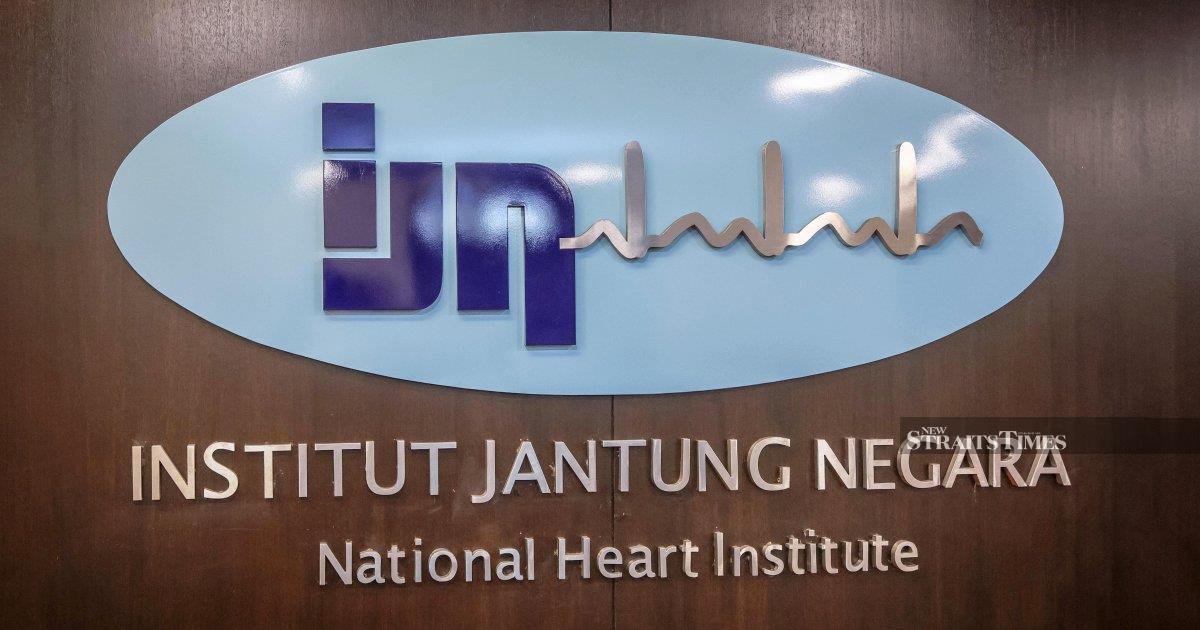
Prime Minister Datuk Seri Anwar Ibrahim, accompanied by his spouse Datuk Seri Dr Wan Azizah Wan Ismail, made a hospital visit yesterday to Deputy Prime Minister Datuk Seri Fadillah Yusof, who is currently receiving medical care at the National Heart Institute (IJN) in Kuala Lumpur. The gesture reflects ongoing solidarity within Malaysia's top leadership despite the considerable pressures facing the coalition government.
Fadillah's hospitalisation marks a significant development in the nation's political landscape, particularly given his position as one of the key figures in managing intergovernmental relations and policy coordination. As Deputy Prime Minister, his health status carries implications for the administration's operational continuity and decision-making processes across various ministries and agencies under his purview.
The National Heart Institute, Malaysia's premier cardiac and cardiovascular research facility, has established itself as the nation's leading centre for treating complex heart conditions. Located in Kuala Lumpur's medical hub, the institution attracts patients from across Southeast Asia seeking specialist intervention and advanced treatment protocols. The choice of venue underscores the severity of Fadillah's condition and the medical expertise required to address his current health concerns.
Anwar's personal appearance at the hospital demonstrates the importance placed on maintaining cohesion within the cabinet during periods of uncertainty. Such visits carry symbolic weight in Malaysian political culture, signalling continuity and concern for colleagues regardless of party affiliations. The Prime Minister's willingness to publicly acknowledge Fadillah's medical challenges also sends reassurance to the broader business and investor communities about governmental stability during potential transitions in leadership roles.
The timing of this visit comes against a backdrop of ongoing challenges facing the Pakatan Harapan-led government, which continues navigating complex coalition dynamics and policy implementation amid economic pressures. Fadillah's temporary absence from full ministerial duties necessitates clear succession planning and delegation protocols to ensure government functions proceed without disruption. His experience and institutional knowledge, accumulated over decades of public service, remain valuable to the administration's long-term strategic planning.
Wan Azizah's participation in the hospital visit reflects established conventions regarding the First Lady's role in state and political ceremonies. Her involvement emphasises the personal dimension of government leadership beyond formal protocol, humanising the relationship between Malaysia's political elite and reinforcing social norms around compassion and mutual support within professional hierarchies.
The Deputy Prime Minister's position encompasses significant responsibilities spanning multiple portfolios and coordinating mechanisms. His contributions to cabinet deliberations and policy formulation span infrastructure development, domestic security, and economic growth initiatives. The continuity of these functions during his recovery remains a practical concern for ministry officials and dependent agencies.
Fadillah's tenure has witnessed his engagement with several high-priority national initiatives, from major infrastructure projects to crisis management frameworks. His institutional expertise in bridging differences between coalition partners has proven instrumental in maintaining governmental cohesion during periods of tension. The calibre of his experience makes his return to full operational capacity a priority for administrative stability.
Malaysia's top leadership has historically prioritised visible displays of unity during individual challenges affecting senior officials. These gestures, though sometimes dismissed as ceremonial, carry significant cultural resonance within Malaysian society, where concepts of loyalty, respect for hierarchy, and collective responsibility remain deeply embedded in professional discourse. Hospital visits from senior colleagues signal organisational continuity and reassure stakeholders about institutional strength.
The National Heart Institute visit also highlights Malaysia's healthcare infrastructure capabilities and the quality of specialist services available domestically. As regional recognition of Malaysian medical standards has grown, such visits underscore confidence in local expertise and treatment protocols, with implications for medical tourism and international healthcare partnerships that contribute significantly to the nation's services sector.
Looking forward, Fadillah's recovery trajectory will influence the government's capacity to advance critical initiatives and manage coalition dynamics effectively. The administration's ability to maintain momentum on economic reforms, infrastructure development, and domestic stability depends partly on maintaining full-strength cabinet operations. The visit yesterday reflects both immediate concern and longer-term institutional awareness of these interdependencies.

