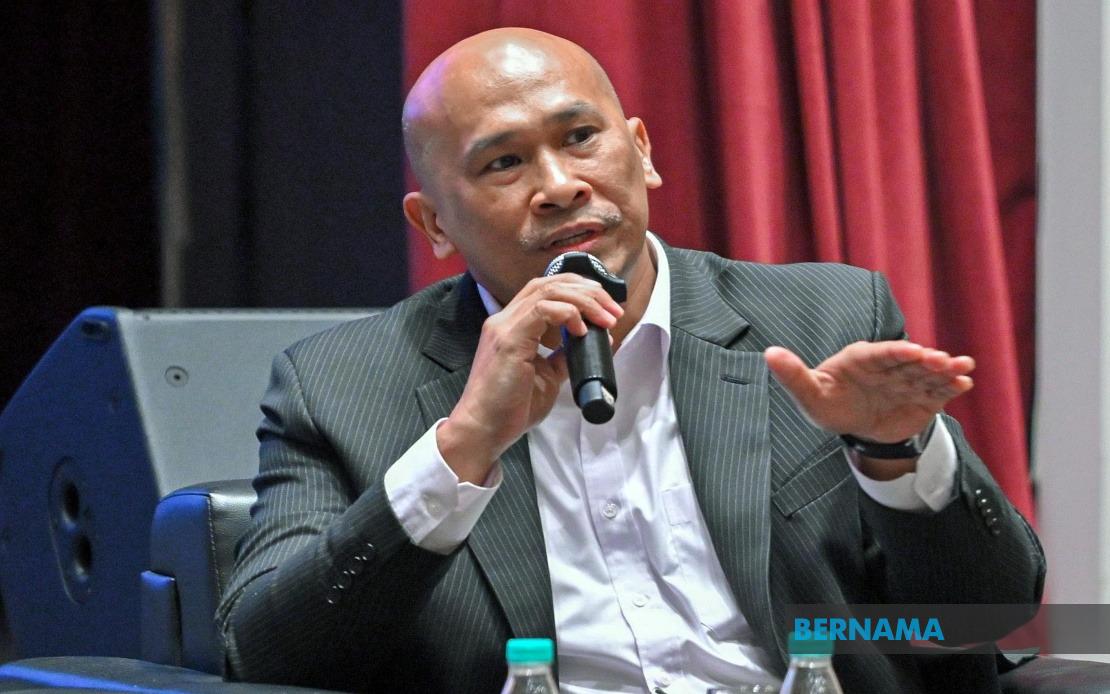
Prominent financial analysts have reassured Tabung Haji depositors that their savings remain secure under the institution's ongoing recovery efforts, even as the Royal Commission of Inquiry report detailing past operational weaknesses becomes public knowledge. The landmark assessment, which scrutinised the fund manager's performance between 2014 and 2020, has prompted expert commentary dismissing concerns that its disclosure signals renewed instability at Malaysia's pilgrimage savings institution.
Dr Mohd Afzanizam Abdul Rashid, chief economist at Bank Muamalat Malaysia Bhd, emphasised that the difficulties flagged in the RCI report are not revelations but rather long-standing issues already confronted through systematic remedial measures now demonstrating measurable success. He observed that Tabung Haji has sustained positive net assets—the balance remaining after all liabilities are settled—across the five-year period from 2021 through 2023, signalling financial stabilisation rather than deterioration. The RCI investigation itself concluded in 2022, but its 211-page findings and 25 recommendations for institutional improvement remained confidential until late July, creating the impression of newly discovered problems rather than previously acknowledged challenges now being resolved.
The delayed public release of the RCI report, while administratively routine, has naturally prompted scrutiny among Tabung Haji's 7.4 million depositors and the broader Muslim community who view the institution as custodian of their aspirations for hajj pilgrimage. By end of July, Tabung Haji had already implemented 75 per cent of the commission's recommendations, demonstrating active commitment to addressing the governance deficiencies and operational shortcomings identified across the troubled period. This progress rate reflects institutional momentum toward systemic reform, addressing everything from leadership restructuring to enhanced management protocols.
Beyond the strictly financial metrics, analysts stress that evaluating Tabung Haji requires a broader perspective encompassing its diplomatic and operational role in Malaysia's relationship with Saudi Arabia. The institution's standing with the Kingdom's authorities directly influences Malaysia's hajj quota allocation and the quality of logistical support provided to Malaysian pilgrims. Dr Mohd Afzanizam highlighted that Saudi Arabia continues to view Malaysian haj delegations favourably, with positive feedback about the discipline and conduct of Malaysian pilgrims reflecting well on Tabung Haji's pre-pilgrimage guidance and management systems. This dimension of institutional performance—wholly divorced from balance sheet analysis—remains robust and strategically valuable.
Mohd Hafiz Abd Hamid, secretary-general of IKRAM Malaysia, articulated a conceptual distinction crucial to understanding depositor relations with the institution. He characterised Tabung Haji not primarily as a conventional savings vehicle but rather as a sacred trust entity fundamentally intertwined with the spiritual and religious aspirations of Muslim Malaysians pursuing the hajj obligation. Reframing the institution in this theological and sociological context, rather than purely financial terms, clarifies why its management must prioritise safeguarding community confidence alongside conventional governance standards. The relationship between depositors and Tabung Haji transcends transactional banking dynamics, incorporating religious duty, family aspiration, and communal identity.
The governance improvements mandated by the RCI recommendations target institutional structures and decision-making processes that faltered during the 2014-2020 period. These structural reforms—including leadership transitions and management reorganisation—constitute foundational corrections necessary to prevent recurrence of the mismanagement patterns examined by the commission. The five-year positive net assets trajectory provides empirical evidence that these systemic changes, already substantially implemented, are producing tangible financial stabilisation. The institution's recovery trajectory mirrors broader patterns of institutional resilience where determined remedial action yields measurable restoration of financial position and operational integrity.
Individual depositors interviewed by Bernama expressed continued confidence despite the RCI report's public release, with one 57-year-old depositor noting that disclosure of institutional weaknesses has not shaken her commitment to maintaining savings with Tabung Haji. This sentiment reflects the informed perspective of long-term stakeholders who distinguish between institutional mistakes in management and the underlying soundness of the recovery framework now visibly operating. Genuine depositor retention during periods of institutional scrutiny signals that the recovery narrative—backed by concrete financial metrics and measurable governance improvements—resonates with the community Tabung Haji serves.
For Malaysian readers and regional observers, Tabung Haji's trajectory illustrates broader questions about institutional accountability and recovery in the Islamic finance sector. The institution's situation demonstrates both how regulatory oversight through mechanisms like royal commissions can identify systemic vulnerabilities and how sustained remedial effort, coupled with transparent public communication, can restore stakeholder confidence. The delayed publication of the RCI report, rather than undermining recovery efforts, has ultimately allowed time for substantive implementation of recommendations before public scrutiny intensifies, a sequencing that appears to strengthen rather than undermine the recovery narrative.
The emphasis placed by financial experts on non-financial dimensions of institutional performance—particularly Tabung Haji's diplomatic standing in Saudi Arabia and its role in faith-based community service—reflects growing recognition that Islamic financial institutions operate within frameworks where religious legitimacy and social trust constitute assets as vital as conventional financial metrics. This perspective is particularly relevant for Southeast Asian Muslim-majority nations where Islamic finance continues expanding and where institutional credibility depends partly on demonstrated alignment with religious values and community aspirations alongside standard fiscal management.
As Tabung Haji continues implementing remaining recommendations from the RCI report, institutional leadership faces the dual challenge of completing technical governance improvements while sustaining and rebuilding depositor confidence through transparent communication. The positive net assets trajectory and high implementation rate of commission recommendations provide factual foundations for confidence-building. However, ongoing management must ensure that the governance structural improvements translate into demonstrable operational excellence, particularly in managing haj logistics and maintaining Saudi diplomatic relations that underpin the institution's strategic value to Malaysia's Muslim community and national interests.

