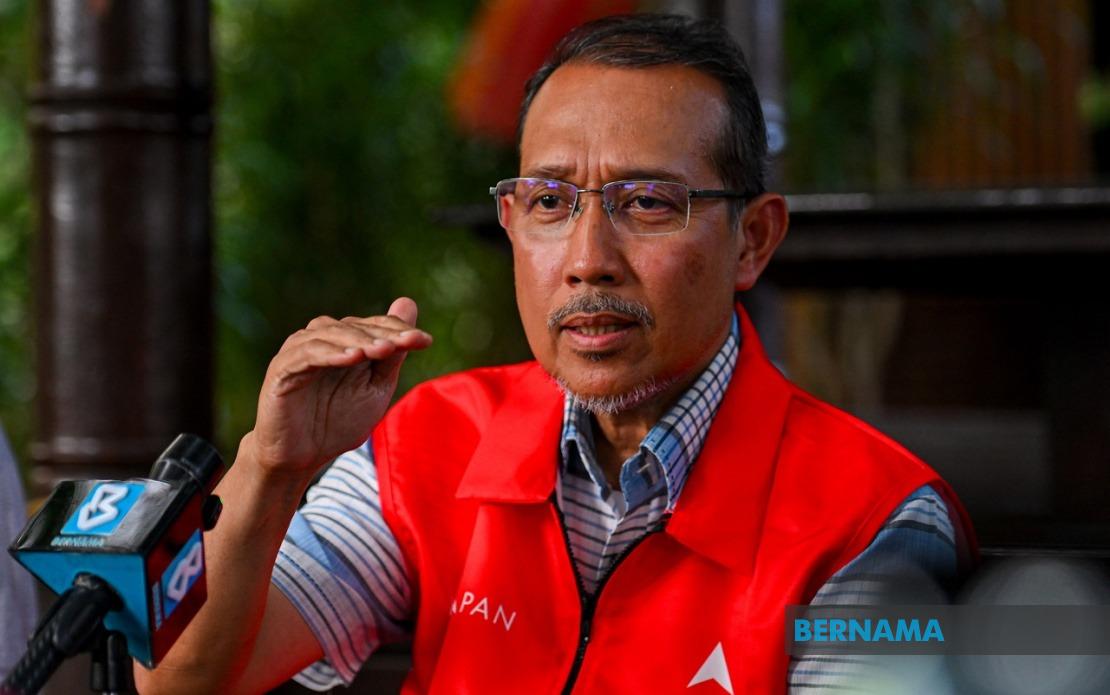
Datuk Muhammad Nazri Kassim, the Pakatan Harapan candidate contesting the Ampangan state seat, has committed to transforming the constituency into a cleaner, safer and economically vibrant township, should voters grant his party the mandate in the 16th Negeri Sembilan state election. His vision centres on addressing longstanding infrastructure challenges while unlocking the area's inherent economic potential as a location nestled within Seremban's commercial heartland.
At the core of Muhammad Nazri's platform lies a comprehensive infrastructure management strategy designed to protect residents from recurring flooding. The constituency experienced significant inundation during the 2021 monsoon season, a watershed moment that exposed vulnerabilities in drainage systems and river maintenance protocols. His approach emphasises preventive rather than reactive measures, with particular attention to maintaining roads, drainage channels, waterways and embankments to standards that can withstand seasonal weather patterns.
The progress achieved over the past three to four years through the Negeri Sembilan government's collaborative river management initiative provides concrete evidence that coordinated maintenance efforts yield measurable results. By institutionalising these practices and expanding their scope across Ampangan, Muhammad Nazri argues that the constituency can effectively mitigate flood risk while simultaneously improving overall environmental conditions. This dual benefit reflects a pragmatic understanding that infrastructure investment serves multiple public purposes beyond immediate safety concerns.
Beyond flood prevention, Muhammad Nazri recognises that improved waterway conditions unlock recreational opportunities that currently remain untapped. Well-maintained rivers can accommodate jogging trails, cycling paths and sports facilities that enhance quality of life while attracting residents to public spaces. This recreational infrastructure approach aligns with broader urban planning trends across Southeast Asia, where waterfront revitalisation projects increasingly serve as catalysts for community engagement and local economic activity.
The economic dimension of his platform centres on Ampangan's geographic advantages as a constituency positioned within Seremban's commercial zone. Muhammad Nazri has identified the Benteng area as particularly ripe for targeted development that could draw visitors and establish new business opportunities for small traders and local entrepreneurs. By improving the township's aesthetic appeal through landscaping, cleanliness and proper maintenance, he argues that the area naturally becomes more attractive to both customers and business operators seeking affordable, accessible commercial space.
This strategy reflects an understanding that economic development in smaller towns often depends less on large-scale industrial investment than on creating an environment conducive to grassroots entrepreneurship. When local areas are clean, well-maintained and accessible, they attract foot traffic from neighbouring areas, creating demand for retail services, food establishments, and personal services. The resulting economic multiplier effect benefits multiple layers of the community, from property owners to casual workers and service providers.
Muhammad Nazri's campaign methodology underscores his commitment to understanding constituent needs at granular level. Rather than relying solely on mass rallies or media outreach, his approach prioritises house-to-house engagement that allows direct conversation with voters about their specific concerns and priorities. This methodology yields richer intelligence about community issues than top-down campaign strategies typically generate, potentially enabling more targeted and effective policy responses if his party forms government.
The Ampangan constituency encompasses 21,336 registered voters and forms part of the larger Seremban parliamentary seat. The state election contest involves three candidates: Muhammad Nazri representing Pakatan Harapan, Datuk Dr Mohamad Rafie Malek standing for Perikatan Nasional, and Noor'azah Harun contesting under Parti Pribumi Bersatu Malaysia. This three-cornered fight suggests a competitive race where voter choice could determine outcomes.
The Election Commission has scheduled August 1 as the polling date for the Negeri Sembilan state election, with early voting commencing July 28. Voters will decide whether Muhammad Nazri's vision for Ampangan's economic revitalisation and infrastructure improvements represents the direction they wish their constituency to pursue. His campaign strategy of emphasising practical governance outcomes—flood prevention, clean infrastructure, localised economic opportunity—appeals to residents seeking tangible improvements in daily living standards rather than abstract political messaging.
For the broader Malaysian political context, the Ampangan race reflects how contemporary state-level campaigns increasingly focus on localised development issues rather than national polarising debates. Muhammad Nazri's emphasis on rivers, drains, small business opportunities and cleanliness demonstrates that voters in mid-sized constituencies respond to candidates offering concrete solutions to visible infrastructure and economic challenges. Whether this approach resonates sufficiently with Ampangan's electorate will become clear when polls open in early August, providing insight into voter priorities across Negeri Sembilan's competitive political landscape.

