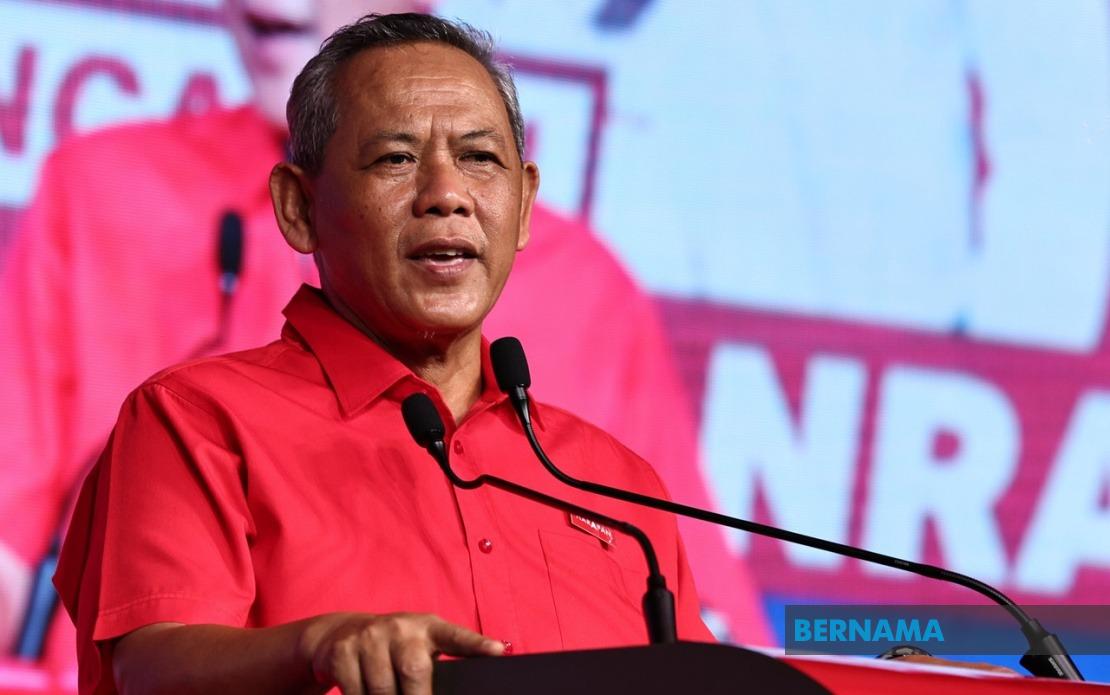
Negeri Sembilan Menteri Besar Datuk Seri Aminuddin Harun has pushed back against speculation surrounding his political repositioning, insisting that his choice to contest the Linggi state seat in the forthcoming state election reflects his own strategic judgment rather than any effort to sidestep the challenge of retaining Sikamat. Speaking in Seremban on Wednesday, the Pakatan Harapan chairman for the state made clear that his decision was grounded in a genuine desire to serve a different constituency while maintaining his commitment to effective governance.
The controversy arose after Aminuddin announced his intention to switch constituencies ahead of voting scheduled for August 1. Observers had speculated that the move might signal concern about holding his existing seat, particularly given heightened competition in the 16th Negeri Sembilan state election. Such constituency changes, while not uncommon in Malaysian politics, often attract scrutiny regarding the motivations behind them, with critics sometimes suggesting that politicians relocate to safer ground. Aminuddin's public clarification represents a direct rebuttal to such interpretations.
In a Facebook statement, Aminuddin outlined his vision for Linggi, pledging to bring the same level of dedication that characterised his four terms representing Sikamat. He framed the transition not as an abandonment of his previous constituency but as an expansion of his political reach and a fresh opportunity to serve another community. His language suggested confidence in his ability to build rapport with new voters while drawing upon his accumulated legislative experience and administrative track record.
Reflecting on his Sikamat tenure, Aminuddin painted a portrait of political struggle and grassroots achievement. He described starting his representational work from modest circumstances—operating from a small office above a commercial shoplot with constrained financial resources during the years when Pakatan Harapan operated from opposition. Those early days saw him and his team relying on fundraising efforts and community mobilisation to support constituents and organise welfare programmes. The narrative positions his electoral journey as one of persistence through resource constraints and eventual vindication as his coalition returned to power.
Aminuddin's recounting of his Sikamat experience carries particular significance for understanding the broader Pakatan Harapan narrative in Negeri Sembilan. The state has been a battleground between competing coalitions, and highlighting the work done during opposition years serves to remind voters of the party's commitment even when resources were scarce. This framing also subtly validates the decision to move forward, implying that he has accomplished what he set out to achieve in his previous seat and is now ready for a new challenge.
The transition in Sikamat reflects careful succession planning within the party structure. Nor Azman Mohamad, selected as Aminuddin's replacement, inherits both the seat's organisational machinery and the accumulated political capital from four terms of representation. Aminuddin expressed confidence in Nor Azman's ability to maintain continuity of service, suggesting that the party views the change as an orderly transition rather than a disruption. This arrangement also provides institutional stability, as experienced representatives do not simply disappear from the political landscape but pass responsibilities to designated successors.
Aminuddin's move to Linggi pits him directly against Barisan Nasional incumbent Datuk Mohd Faizal Ramli, establishing what promises to be a significant contest in the state election. The Linggi seat, therefore, becomes a focal point of the broader struggle for control of Negeri Sembilan's state assembly. Both candidates bring prior electoral experience and established networks, and the campaign between them will likely reflect deeper ideological and policy differences between their respective coalitions. The contest carries implications beyond the single constituency, potentially influencing the overall balance of power in the state legislature.
The timing of Aminuddin's announcement and subsequent clarification reflects the compressed schedule of the election cycle. Nominations occurred on Saturday following his statement, with early voting scheduled for July 28 and the main polling day set for August 1. This condensed timeframe means that candidates and parties have limited opportunity to establish presence in constituencies, making pre-existing recognition and organisational capacity particularly valuable. Aminuddin's prior four terms in elected office provide him substantial advantage in name recognition and voter familiarity, assets that transfer imperfectly to a new constituency but nonetheless represent meaningful political capital.
For Malaysian voters and observers of Negeri Sembilan politics, this election represents a continuation of the competitive dynamic that has characterised the state since 2018. The contest between Pakatan Harapan and Barisan Nasional remains genuinely contested, with neither side assured of victory. Aminuddin's repositioning, defended as a matter of personal choice and political strategy rather than tactical retreat, becomes one element within a larger narrative about which coalition will shape policy direction in the state over the coming years.
The broader context of Negeri Sembilan's political trajectory informs interpretation of these developments. The state has witnessed significant shifts in electoral preference, and the upcoming contest will reveal whether recent patterns of support have solidified or remain fluid. Aminuddin's confidence in his ability to win Linggi and his articulated vision for serving that constituency suggest that Pakatan Harapan believes it possesses both the candidate quality and policy platform to maintain or extend its presence in the state assembly. As voters prepare to cast ballots, they will evaluate not only Aminuddin's assurances but also the substantive records and proposals of competing coalitions.

