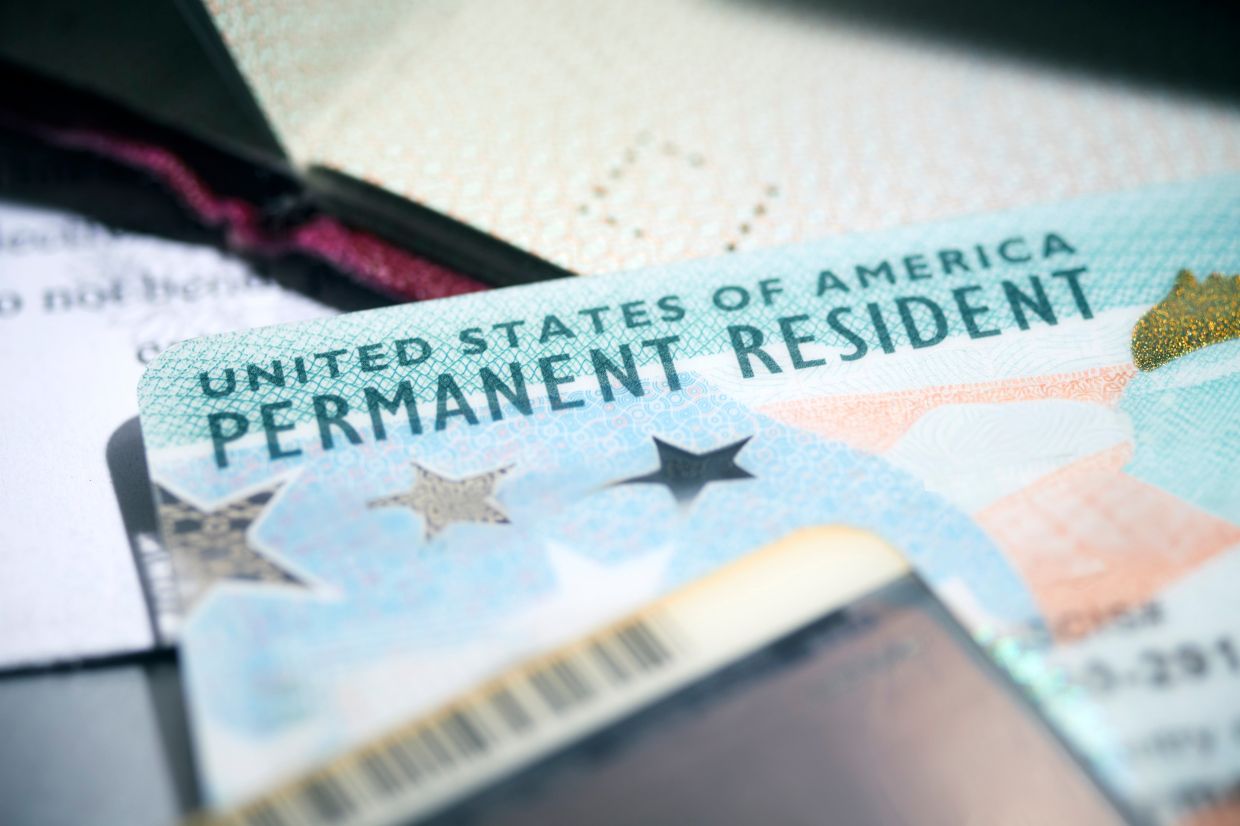
American embassies and consulates across the globe have halted processing of immigrant visa interviews, redirecting resources toward training staff on a more stringent evaluation framework centred on whether visa applicants will likely become dependent on public assistance programmes. This operational freeze represents a significant policy shift that affects thousands of people globally seeking permanent residency in the United States, with particular implications for family-based migration and diversity lottery applicants hoping to rebuild their lives in America.
The timing of this enforcement push is notable. Just days before the training mandate took effect, a federal court invalidated a separate travel restriction affecting 75 countries, a policy grounded in similar restrictive logic. The convergence of these measures reflects a broader hardline immigration approach, though officials at the State Department insist that officers must evaluate cases with both comprehensiveness and consistency, suggesting that the criteria themselves remain uniform even as their application grows more rigorous.
Those assessment criteria—including applicant age, current health status, family composition, financial resources, educational attainment, professional skills, and employment prospects—are themselves not novel to American immigration law. What has fundamentally shifted is the intensity with which immigration officers are being instructed to weigh these factors against applicants. In some cases, officials may now require "public charge bonds," financial guarantees that make the immigration process more expensive and administratively complex for already-stretched families.
Sarah Pierce, a policy researcher at the Washington-based Third Way think tank and former analyst at US Citizenship and Immigration Services, characterised the Trump administration's approach as deliberately disruptive in its implementation strategy. This assessment carries weight given her institutional experience with how immigration agencies function. Meanwhile, Charles Kuck, an Atlanta-based immigration attorney who has represented over 100 individuals challenging administration policies, describes the training materials as explicitly focused on case denial methodologies, signalling that officer discretion is being channelled toward restrictive outcomes.
The practical consequences extend furthest to family applicants and diversity visa hopefuls, who face substantially elevated barriers under the new framework. Unlike some administrative actions that might be easily reversed, this shift targets the fundamental gatekeeping function of consular officers abroad—the officials with direct authority over whether applicants proceed toward lawful permanent residency. For those already holding approved immigration petitions, however, the situation remains more ambiguous. A cancelled interview does not automatically invalidate an underlying approval or reset a priority date in the immigration queue, though the indefinite postponement creates genuine hardship for people who have already made life-altering decisions based on their scheduled interviews.
Delay itself becomes the weapon of implementation. People have already booked international flights, sold family properties, and submitted to medical examinations required by American immigration regulations. The State Department has provided no timeline for when normal interview scheduling will resume, leaving applicants in a state of administrative limbo. For those pursuing diversity visas—granted through an annual lottery system—the temporal pressure is particularly acute, as these visas must be issued before the American fiscal year concludes on September 30, making extended delays potentially fatal to an applicant's opportunity.
The freeze specifically targets immigrant visa processing conducted overseas and does not currently encompass employment-based visas like the H-1B programme, student visas, or tourist entry. However, the legal architecture of the public charge provision could theoretically apply to non-immigrant visa categories as well, a possibility that has generated concern among practitioners. Charles Kuck notes that while this expansion has not yet occurred administratively, the legal foundations exist for such an extension, potentially threatening work visa holders and international students currently in the American visa system.
The affidavit of support form—the I-864—has historically served as a relatively straightforward remedy in family-based cases, demonstrating that a sponsor possesses sufficient financial resources to prevent an applicant from accessing public benefits. Under previous interpretations, this document was generally dispositive unless "unusually significant concerns" emerged regarding an applicant's circumstances. The new aggressive implementation threatens to erode the sufficiency of this traditional safeguard, as officers conduct more granular examinations of applicants' economic viability. Pierce cautions that while this push may not constitute a formal legal blanket prohibition, its aggressive application could function identically to one for certain population groups, effectively closing pathways that technically remain open.
Charles Kuck identifies a structural vulnerability in the American immigration statute itself: the absence of detailed guidance regarding public charge determinations allows "a great deal of mischief," in his characterisation. This prosecutorial discretion, when combined with enforcement-focused training materials, creates unpredictability that extends beyond reasonable policy implementation into potentially arbitrary territory. The lack of clear standards means that two officers at different consulates might evaluate identical applications quite differently, undermining the State Department's stated commitment to consistency.
For those whose interviews have been cancelled, practical navigation requires careful planning. Applicants who do not already possess valid American work visas should remain in their home countries rather than attempt reentry, as doing so without a scheduled interview and current documentation creates substantial re-entry complications. Consular officers cannot unilaterally override decisions made by USCIS, but they possess authority to refer files back for additional examination if they identify fraud, material changes in circumstances, or clear administrative errors. USCIS then reassesses the underlying petition, a process that can take considerable time and does not guarantee reapproval, though many previously rejected petitions have eventually secured approval through this mechanism.
For those already holding lawful status within the United States, the calculus differs considerably. International travel, even for legitimate purposes, requires careful evaluation given the complications of re-entering based on visa stamps rather than existing status documents. Applicants should carry comprehensive documentation of lawful presence—green cards, I-94 arrival records, employment letters, or I-797 approval notices—and maintain copies accessible to family members who might need to provide them to authorities. Workers on employment-based visas should carry current pay stubs and employer verification letters to address any questions during reentry.
This administration has substantially intensified both the volume and aggressiveness of immigration enforcement machinery, according to multiple observers. This expansion raises the stakes for bureaucratic errors and procedural missteps, which now carry exponentially higher consequences than under previous administrations. People without any lawful immigration status—including those on extended H-1B grace periods or with only pending green card or asylum petitions—should not travel internationally, as they lack the documentation necessary to satisfy reentry requirements. Even new arrivals to the United States face compressed timeframes, receiving fixed durations of status generally capped at four years rather than indefinite periods, with grace periods reduced from 60 days to 30 days upon departure, further constraining the practical capacity to travel internationally.

