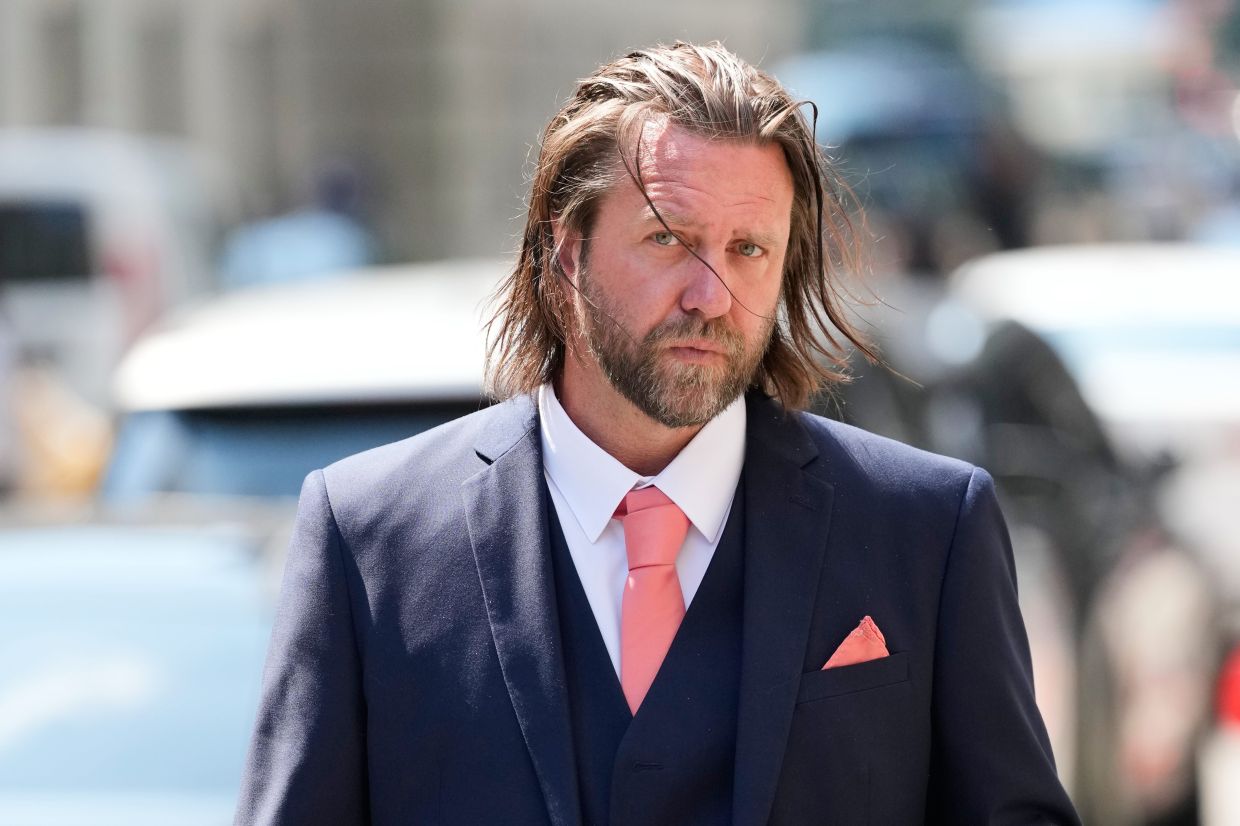
American filmmaker Carl Rinsch has been handed a prison sentence after being found guilty of defrauding Netflix of US$11 million that the streaming giant had advanced him in 2020 to develop a science fiction television series. The 48-year-old director was convicted of deliberately misappropriating the production funds, which he diverted away from the intended creative project and toward personal enrichment through a pattern of reckless financial behaviour that underscores the growing accountability for high-profile fraud cases in the entertainment sector.
Rather than channelling the substantial budget into bringing the planned series to life, Rinsch embarked on a spending spree that combined speculative financial gambles with extravagant consumer purchases. According to prosecutors from the US Attorney's office for the Southern District of New York, the director deployed significant portions of Netflix's money into highly volatile stock options and cryptocurrency investments—financial instruments known for their unpredictability and significant loss potential. Simultaneously, he used millions of dollars to accumulate a collection of luxury items that reflected a deliberate disregard for his contractual obligations to the platform.
The scale of Rinsch's personal acquisitions demonstrates the audacity of the fraud. Among his purchases were high-end clothing and furniture pieces, along with exotic vehicles that included a red Ferrari sports car and an extraordinary fleet of five Rolls-Royce automobiles. These acquisitions paint a portrait of someone operating with apparent impunity while holding a contractual responsibility to account for every dollar advanced to him. The specificity of these purchases—particularly the unusual accumulation of five vehicles from the same ultra-luxury brand—suggests a pattern of conspicuous consumption rather than inadvertent misallocation.
US Attorney for the Southern District of New York Jay Clayton commented on the conviction in formal remarks, stating that Rinsch's conduct represented a fundamental betrayal of the production company's trust. Clayton emphasised that instead of utilising the funds as contractually obligated, Rinsch had made increasingly risky bets on speculative financial instruments and acquired millions of dollars worth of luxury goods exclusively for personal use. The statement underscores the seriousness with which federal prosecutors treat entertainment industry fraud cases, particularly when they involve substantial sums provided by major corporations.
Beyond the prison sentence imposed by the court, Rinsch was ordered to forfeit the entire US$11 million, meaning he must surrender assets equivalent to the amount he fraudulently diverted. This forfeiture order serves both as financial restitution to Netflix and as a punitive measure designed to strip away any gains the director obtained through his misconduct. The dual punishment approach—combining incarceration with substantial financial penalties—reflects the gravity of white-collar fraud within the entertainment ecosystem.
Rinsch's legal team mounted a defence centred on mitigating circumstances, appealing to the presiding judge for clemency and a more lenient sentence. His attorneys argued that the financial misappropriation occurred while their client operated under extreme professional pressure and simultaneously navigated the tumultuous dissolution of his marriage. The defence strategy attempted to reframe the deliberate fraud as a product of psychological stress and personal crisis rather than calculated criminal intent. This argument, however, appeared insufficient to sway the court's determination regarding appropriate sentencing.
Court documents reveal the intended scope and narrative of the science fiction series that Rinsch was contracted to produce. The show was originally titled to focus on a protagonist scientist responsible for creating a cohort of genetically engineered clones possessing extraordinary capabilities. According to the production outline, these enhanced beings would be confined within a segregated zone established in a major Brazilian metropolitan area, where they would eventually develop sophisticated technologies while simultaneously engaging in conflict with conventional humans and amongst themselves. The premise suggested an ambitious undertaking requiring substantial resources and creative direction.
Although Netflix was never explicitly named by prosecutors in their legal filings, reporting prior to the conviction established that Rinsch had been engaged in contentious negotiations with the streaming platform regarding this planned series. The dispute centred on the project's status and the company's expectations for content delivery. This context suggests that tensions between Rinsch and Netflix may have preceded or contributed to the ultimate breakdown in their professional relationship and the discovery of the financial irregularities.
Rinsch's directorial portfolio includes feature film work that had established him within the industry before the Netflix project. His previous film career had generated sufficient credibility to secure a multimillion-dollar production commitment from one of the world's largest streaming platforms, demonstrating that he possessed recognised artistic credentials prior to this fraud conviction. The collapse from that position of relative prominence to federal conviction represents a significant fall within Hollywood's professional hierarchy.
In the lead-up to sentencing, Keanu Reeves—who had previously collaborated with Rinsch—submitted a written appeal to the judge requesting leniency and mercy for his former director. Reeves characterised Rinsch as an exceptional artist whose talents were undermined by a personal tendency toward self-destructive behaviour. The actor's intervention represented a notable gesture of professional loyalty, suggesting that Rinsch had earned genuine respect from collaborators despite the ultimate criminal conduct. However, even such notable character advocacy proved insufficient to prevent the imposition of a custodial sentence, indicating the court's determination that the severity of the fraud required incarceration.

