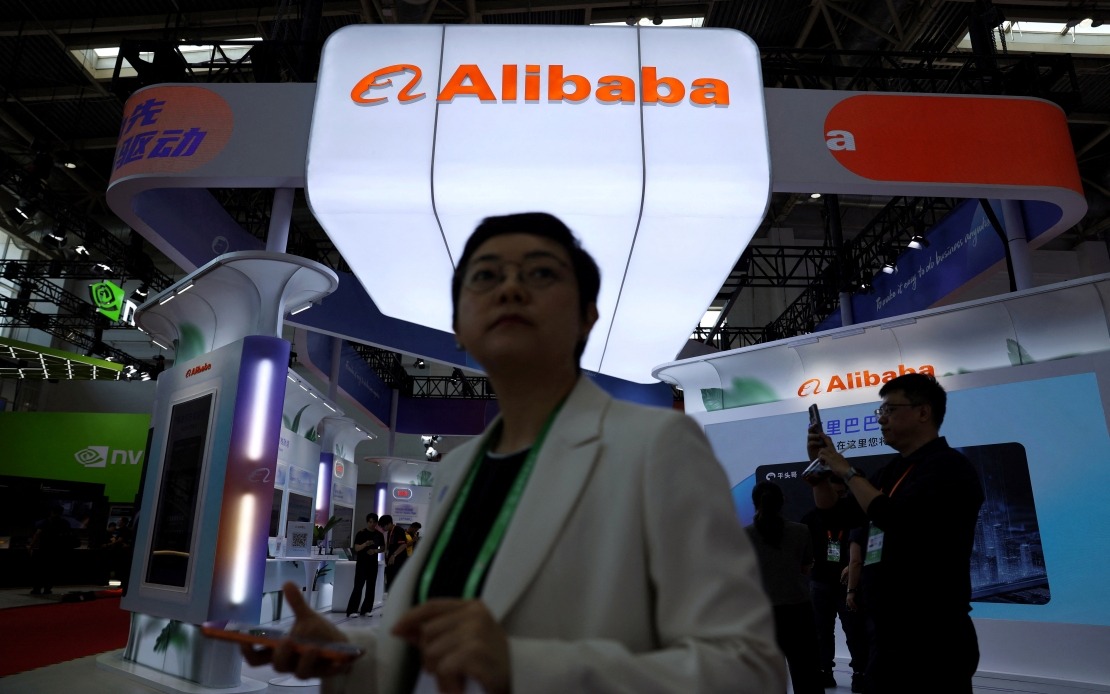
Alibaba, China's largest e-commerce platform, has mounted a legal challenge against the Pentagon's classification of the company as an entity connected to China's military apparatus, marking an escalation in tensions between American defence authorities and major Chinese technology firms. The lawsuit, filed in US federal court on Tuesday, represents the company's formal rejection of a controversial designation imposed just weeks earlier by the Department of Defense, which grouped Alibaba alongside dozens of other major Chinese corporations in a sweeping reassessment of Beijing's defence-industrial relationships.
The Pentagon's decision in June to add 188 Chinese companies to its official list of entities deemed linked to China's military-industrial complex represented one of the broadest corporate designations issued under the administration's hardening stance toward Chinese technology and defence sectors. Alibaba joined household names such as Tencent and electric vehicle manufacturer BYD on this expanded roster, a move that carries significant regulatory and financial implications for affected firms seeking to conduct business in the United States or with American entities.
In its court filing, Alibaba's legal team directly challenges the foundational assumptions underlying the Pentagon's determination, asserting that the classification "has no basis in fact or law" and proceeds from a fundamentally flawed premise about the company's nature and operations. The company emphasizes that its governance structure includes an independent board of directors, none of whose members maintain any formal military affiliation or background, a point the corporation highlights as central evidence of its civilian orientation.
The strategic implications of Alibaba's legal push extend beyond the individual corporation to shape how American policymakers evaluate the relationship between major Chinese technology companies and state military institutions. The company's assertion that its products and services serve exclusively civilian purposes—specifically in retail commerce, logistics networks, and enterprise-level information technology solutions—attempts to establish clear operational boundaries between its activities and any defence-related applications. This distinction proves crucial in how courts and regulators interpret the scope of the Pentagon's authority to designate commercial entities as military-linked without direct evidence of such connections.
Alibaba further argues that its contractual frameworks and compliance protocols contain explicit prohibitions against military deployment of its platforms and services, reinforcing what the company characterizes as its deliberate separation from defence applications. The corporation notes additionally that it holds no military certifications or governmental defence licences, a factual position that underscores the absence of formal military status recognized through official channels. These operational details form the evidentiary backbone of Alibaba's legal strategy, positioning the Pentagon's designation as administratively excessive given the company's demonstrated civilian focus.
The broader context of this lawsuit reflects deepening friction between Washington's defence establishment and major Chinese technology companies, particularly as American policymakers grow increasingly concerned about potential military applications of civilian technologies and the role of major corporations in supporting China's defence modernization efforts. The Pentagon's expansive approach to designating entities as military-linked has drawn criticism from legal experts and industry observers who question whether the department possesses sufficient factual grounding for such determinations, particularly when applied to major corporations whose primary business operates entirely in civilian markets.
For Malaysian and Southeast Asian readers, Alibaba's legal action carries particular relevance given the region's deep commercial ties with the e-commerce platform and its extensive presence across the bloc. Many Malaysian businesses rely on Alibaba's platforms for cross-border trade, supplier connections, and logistics services. Any successful effort by the company to overturn the Pentagon designation could signal to other Chinese technology firms that legal challenges to American defence determinations merit pursuit, potentially reshaping how such designations function as policy tools.
The US-China technology rivalry driving these designations increasingly affects Southeast Asia as well, where regional governments attempt to balance security relationships with the United States against economic dependencies on Chinese digital infrastructure and commerce platforms. The outcome of Alibaba's lawsuit may influence how broadly American authorities apply military-linked designations to major technology companies operating throughout the region, with potential consequences for supply chains, financial flows, and digital commerce practices across Southeast Asia.
Alibaba's decision to pursue litigation rather than accept the Pentagon's determination reflects the company's assessment that the designation threatens its business model and global operations significantly enough to warrant expensive and uncertain legal proceedings. The company faces potential complications in maintaining financial relationships with American banks, accessing US technological components, and conducting transactions with American counterparts, pressures that likely motivated the decision to challenge the classification directly through the courts.
The case will ultimately test whether the Pentagon's designations of civilian companies as military-linked require demonstrable evidence of actual defence relationships or whether the government may rely on broader assessments of potential national security implications. This doctrinal question carries implications far beyond Alibaba, potentially shaping the regulatory landscape for Chinese technology companies seeking to maintain international operations as American security concerns about Beijing's technological advancement intensify.